<!-- Meta Pixel Code --> <!-- 结束元像素代码 -->

Energy Saving and Process Optimization Through LED Curing Systems

Energy Saving and Process Optimization Through LED Curing Systems

Energy Saving and Process Optimization Through LED Curing Systems in Printing

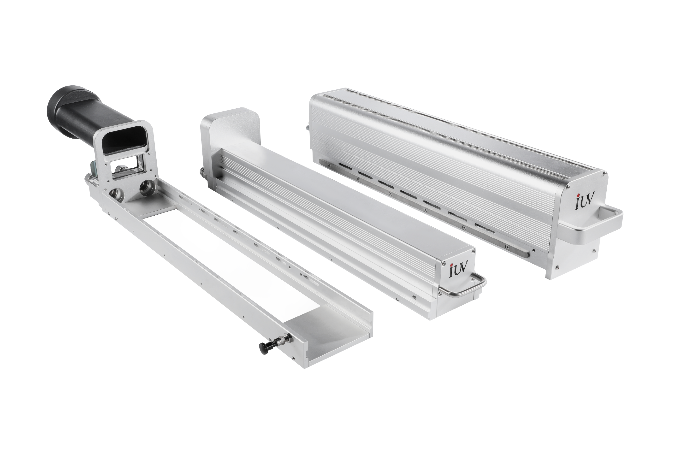
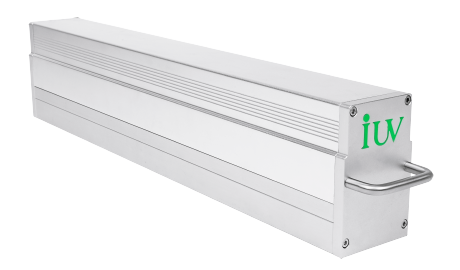
The printing industry has seen tremendous growth in recent years, with advances in technology offering new ways to enhance productivity, reduce costs, and increase sustainability. One of the most significant innovations in this area is the LED curing system, particularly when applied to tag printing, flexographic printing, plate printing, and narrow-web printing. LED UV curing systems are transforming the printing landscape by offering a more energy-efficient, environmentally friendly, and precise way to cure ink compared to traditional curing methods.

LED Curing Systems: A Game-Changer for Printing

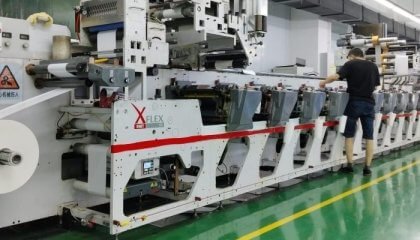
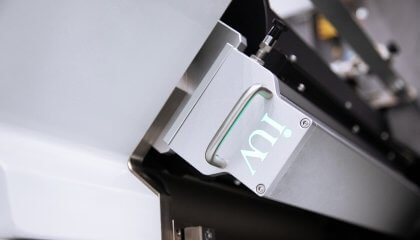
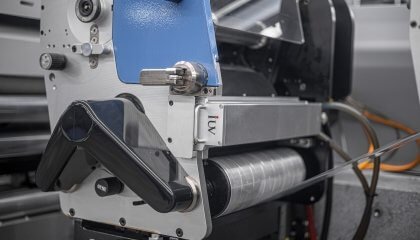
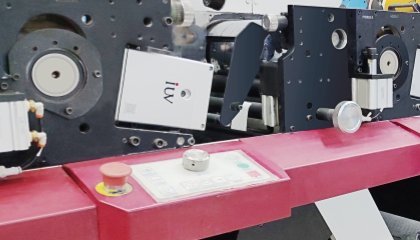
In the traditional printing process, curing or drying ink is a crucial step that ensures the finished product is ready for further handling or packaging. In flexographic and narrow-web printing, for instance, this curing process typically involves using ultraviolet (UV) lamps that emit high levels of heat, requiring substantial energy input. LED UV curing systems, however, use light-emitting diodes that provide the necessary curing power but consume significantly less energy and produce lower heat levels.

By integrating LED curing into various printing processes, printers are able to optimize their workflows, reduce energy costs, and improve their overall operational efficiency.

Energy Efficiency and Sustainability Benefits

One of the standout benefits of LED UV curing is its exceptional energy efficiency. Traditional UV lamps can consume up to three times more energy than LED systems. This energy savings is especially valuable in high-volume print environments, where operating costs can skyrocket due to power consumption.

Additionally, LED UV curing systems produce much less heat compared to traditional UV lamps. This reduction in heat output not only reduces the energy required to cool the workspace but also helps prevent heat-sensitive materials from warping or discoloring during the curing process. For industries like tag printing, where materials such as thin films and specialty papers are commonly used, the ability to maintain the integrity of the material during curing is critical.

From an environmental perspective, LED curing systems offer substantial benefits. Lower energy consumption translates directly to reduced carbon emissions, aligning with sustainability goals that are becoming increasingly important in the printing industry. Moreover, LED UV lamps have a longer lifespan than traditional UV lamps, reducing the frequency of lamp replacements and minimizing waste.

Process Optimization in Tag and Flexographic Printing

Flexographic printing, widely used in packaging and labeling, is one of the sectors benefiting the most from LED UV curing technology. Flexo presses rely on UV inks that need to be cured quickly to prevent smudging and ensure high-quality prints. LED UV curing systems speed up this process, reducing the time it takes for ink to dry and allowing printers to achieve faster turnaround times.

This efficiency translates into increased productivity. In a competitive market, the ability to handle more jobs in less time can significantly boost a print business’s output and profitability.

For tag printing, which often involves intricate designs and multi-color printing, LED UV curing is equally advantageous. It ensures that prints dry immediately after being transferred to substrates, allowing for multiple layers of ink to be applied without any risk of smearing or color mixing. This is particularly useful for printing high-quality, durable labels that are designed to withstand wear and tear, exposure to harsh environmental conditions, and heavy handling.

Narrow-Web Printing: Precision Meets Efficiency

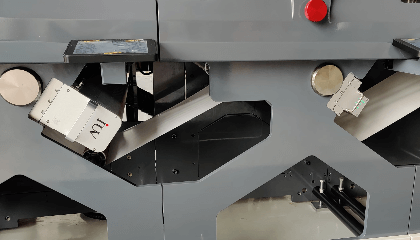
Narrow-web printing refers to printing on rolls of substrate, typically used for labels, stickers, and flexible packaging. The narrow-web format demands high-precision printing and consistent results across a variety of materials, including paper, plastic, and foil. In narrow-web printing, the LED UV curing system plays a crucial role in optimizing the curing process, ensuring that every print meets stringent quality standards while significantly reducing energy use.

LED curing in narrow-web printing is particularly advantageous because it minimizes waste. In traditional curing methods, over-curing or under-curing can lead to defects such as cracking or smearing. With LED UV curing, the precision of the light source ensures that ink is cured evenly and consistently, leading to better print quality and fewer rejected jobs. The reduced heat output also means there is less risk of distortion in flexible substrates.

Flexibility Across Applications

The versatility of LED UV curing systems extends to a wide range of printing applications. Whether it’s flexographic printing on corrugated cardboard, tag printing for retail goods, or narrow-web printing for pharmaceutical labels, LED curing ensures that all jobs are completed with precision and high-quality results.

LED UV curing systems are also adaptable to various types of inks, including UV, water-based, and solvent-based options. This adaptability makes it easier for printers to work with different substrates, ink formulations, and print designs without worrying about curing inefficiencies or compromising on quality. Additionally, the reduced curing time speeds up production and allows for more flexible scheduling, making it easier for printers to meet tight deadlines and accommodate last-minute changes.

Reducing Maintenance Costs and Improving Uptime

LED UV curing systems are known for their long service life, with many systems lasting over 20,000 hours of use, compared to traditional mercury vapor UV lamps that need replacement every 1,000 to 2,000 hours. This durability translates into fewer maintenance interruptions and reduced downtime, improving overall machine availability and operational efficiency.

Moreover, LED systems require less maintenance due to their simpler design and fewer components that can wear out over time. This reduces the need for regular servicing, which in turn lowers the cost of upkeep for printers, making LED UV curing systems a cost-effective choice for long-term operations.

Conclusion: The Future of Printing

Incorporating LED UV curing technology into the printing process offers a wealth of benefits, from energy savings to improved efficiency and sustainability. For industries like tag printing, flexographic printing, plate printing, and narrow-web printing, the advantages are clear: faster curing times, reduced energy consumption, and enhanced print quality.

As the printing industry continues to embrace the potential of LED curing systems, businesses will be able to meet growing demand, reduce their environmental footprint, and stay competitive in a rapidly changing market. With LED UV curing technology at the forefront, the future of printing looks both bright and efficient.

Contact IUV Curing Experts

滚动至顶部