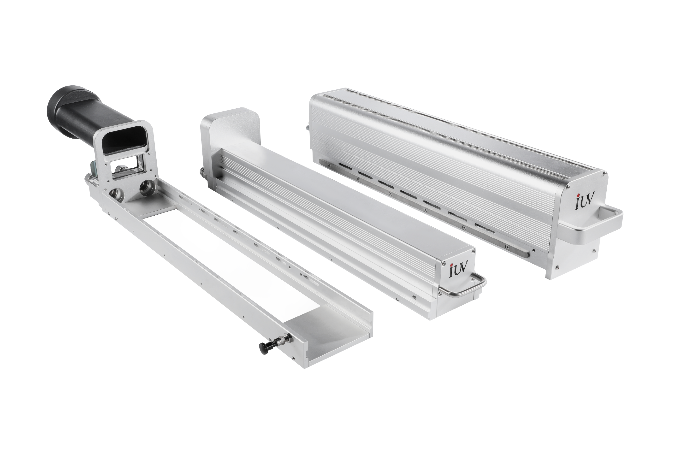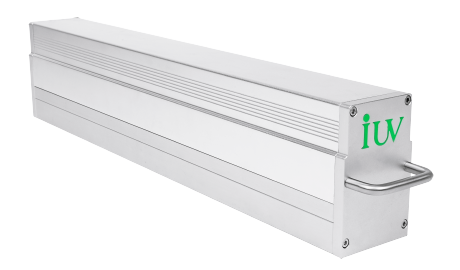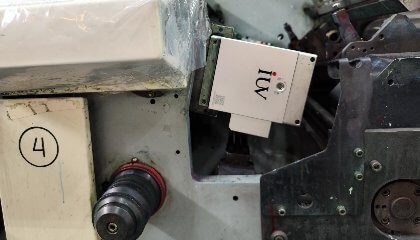
When it comes to modern printing operations, choosing the right UV curing system can significantly influence productivity, quality, and sustainability. The debate between UV curing for flexo versus offset printing lines centers on system compatibility, curing efficiency, and maintenance needs. Understanding the distinct requirements of these printing processes, along with the advancements brought by LED UV technology, is vital for making informed decisions.
The Fundamentals of UV Curing in Printing
Ultraviolet (UV) curing involves exposing inks or coatings to high-intensity UV light, triggering rapid polymerization that hardens the ink instantly on the substrate. This process offers advantages such as fast processing times, improved adhesion, and environmentally friendly solvents. There are two primary types of UV curing systems: traditional mercury vapor lamps and the newer LED UV systems.
LED UV systems have gained popularity due to their energy efficiency, longer lifespan, and reduced heat emission. They produce specific wavelengths that effectively cure UV formulations, making them suitable for delicate substrates and intricate printing lines.
Flexo and Offset Printing: Key Differences and Curing Needs
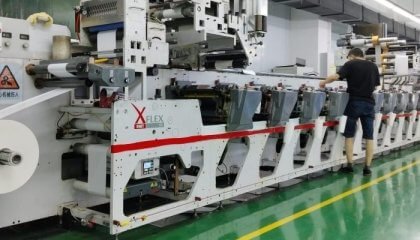
Flexo printing is characterized by the use of flexible relief plates, often on corrugated, labels, and packaging substrates. It typically involves narrow or mid-web presses, requiring quick curing due to high press speeds and the use of thick inks. Flexo inks are designed to cure rapidly under UV light to keep up with production flows.
Offset printing, on the other hand, involves transferring ink from a plate to a rubber blanket and then onto the substrate. It is primarily used for high-precision, high-volume jobs on paper and other rigid substrates. The ink formulations are thinner, and curing needs are different: stability, precise color reproduction, and minimization of dot gain are critical.
Given these differences, UV curing systems must be tailored accordingly. Flexo lines often demand high-intensity curing systems capable of curing thicker inks at higher speeds. Offset lines benefit from systems that prioritize consistency, color fidelity, and minimal substrate heating.
Comparing UV Curing System Types for Flexo and Offset
Mercury Vapor UV Lamps
Traditionally, mercury vapor UV lamps have dominated the industry, offering broad-spectrum UV light suitable for various inks. While effective, these lamps have notable drawbacks: high energy consumption, short lifespans, and significant heat output, which can distort delicate substrates. For flexo lines that operate at continuous high speeds, mercury vapor systems provide ample curing power but at the cost of higher operational expenses.
In offset printing, where color accuracy and substrate compatibility are paramount, mercury lamps can sometimes cause issues with heat-sensitive papers or coatings. Their inconsistent lamp intensity over time requires frequent maintenance and recalibration, which can hinder high-volume production.
LED UV Systems
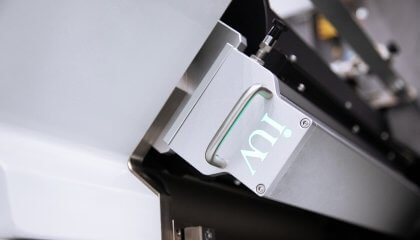
LED UV technology introduces a paradigm shift in curing efficiency. With targeted wavelengths, LED systems emit lower heat, reducing substrate warping and expanding substrate flexibility. Their instant turn-on/off capability ensures minimal downtime and low energy usage, translating to cost savings over time.
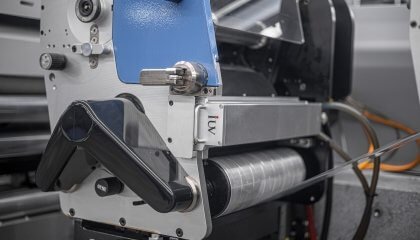
For flexo printing lines, LED UV offers rapid curing of thick, pigmented inks at high speeds, improving throughput and reducing energy costs. Additionally, LED systems’ longevity decreases maintenance, making them suitable for demanding flexo workflows.
In offset printing, LED UV can produce highly consistent curing results essential for fine details and sharp color reproduction. Its ability to cure in precisely controlled zones allows for better layer control, especially on complex substrates or layered printing jobs.
LED UV for Flexible, Sustainable, and Precise Printing
LED UV systems have a significant advantage by enabling more sustainable operations. They consume less power, emit no mercury (making disposal environmentally friendly), and generate less heat. These features are increasingly important for printers aiming to reduce environmental impact and align with green initiatives.
Moreover, LED UV’s instant start-up capability streamlines production, especially beneficial for small jobs or rapid changeovers common in flexible printing environments. For narrow-web and label printing, LED UV provides excellent curing of small, detailed patterns without overheating the substrate.
Addressing Challenges and Compatibility
While LED UV provides numerous benefits, compatibility with existing inks and coatings must be assessed. Not all UV formulations cure effectively with LED wavelengths, which may require formulation adjustments or the use of specialized inks. It’s essential for printers to collaborate with ink suppliers when transitioning to LED systems.
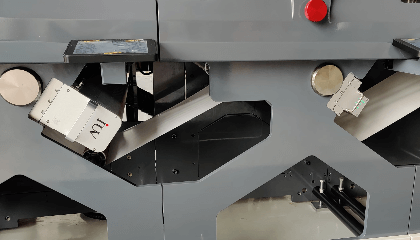
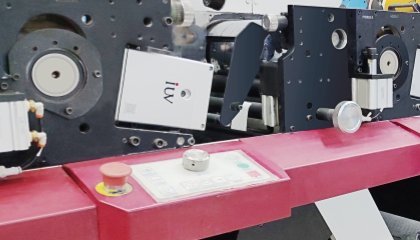
Additionally, some older presses may require modification to accommodate LED UV modules, especially for retrofitting mercury vapor systems. Proper integration ensures consistent curing and optimal print quality.
Maintenance and Operational Costs
Choosing between traditional and LED UV systems also involves evaluating maintenance and operational costs. Mercury vapor lamps require regular replacement and calibration, along with handling hazardous materials during disposal. They also consume more power, leading to higher operational costs over time.
LED UV systems, by contrast, minimize maintenance with longer-lasting LEDs and fewer calibration needs. The reduced energy consumption contributes to lower operational expenses, making LED UV an attractive choice for efficient, sustainable printing operations.
Final Considerations for Print Houses
In selecting an optimal UV curing solution, printers must analyze their specific process needs. Flexo lines with high-speed, high-volume throughput may benefit most from high-intensity mercury or LED UV systems tailored for thick ink curing. Offset lines focused on precision and color accuracy are better served by systems offering consistent, low-heat curing solutions.
The evolution towards LED UV highlights the industry’s shift towards greener, more efficient technologies. Transitioning to LED UV systems can future-proof operations, enhance sustainability, and improve overall print quality.
The Future of UV Curing: Innovations and Trends
Ongoing research in LED UV technology aims to extend wavelength options for curing a broader range of inks. Faster curing times, improved LED brightness, and more compact, versatile systems are expected to become standard features. These innovations will further align UV curing solutions with the evolving demands of flexible, offset, and specialty printing markets.
Embracing advanced UV curing technology can lead to enhanced productivity, higher quality outputs, and more environmentally responsible printing practices. As digital and traditional printing approaches continue to integrate, flexible UV curing solutions will play a pivotal role in shaping the future landscape of print manufacturing.