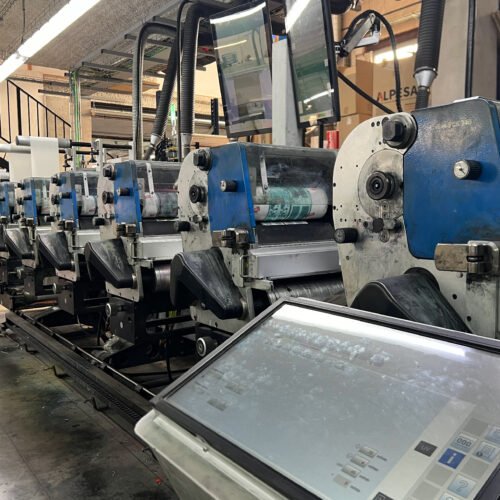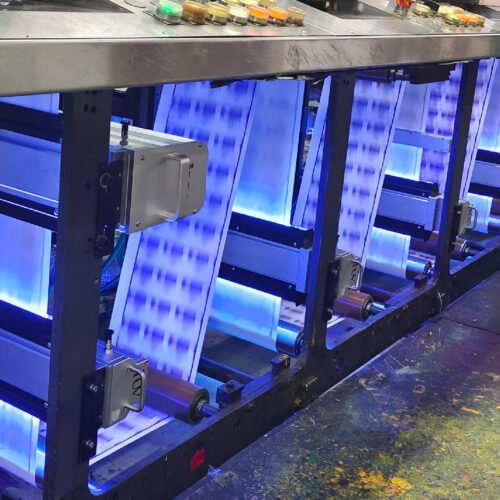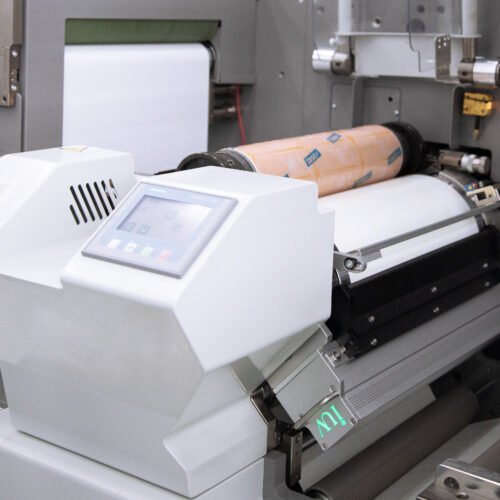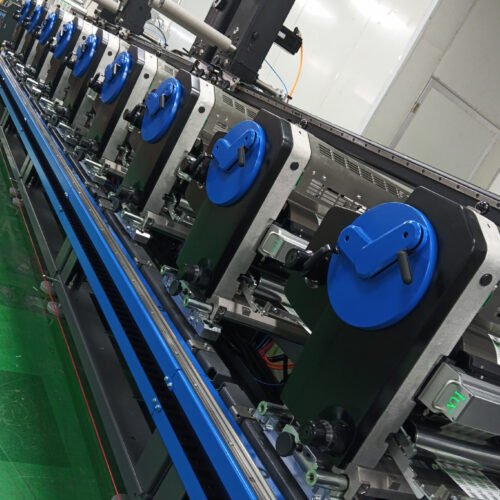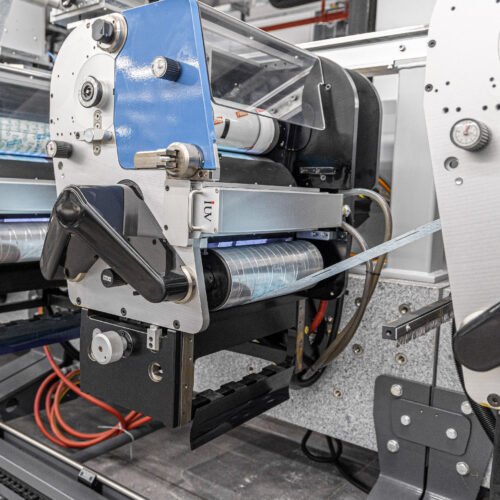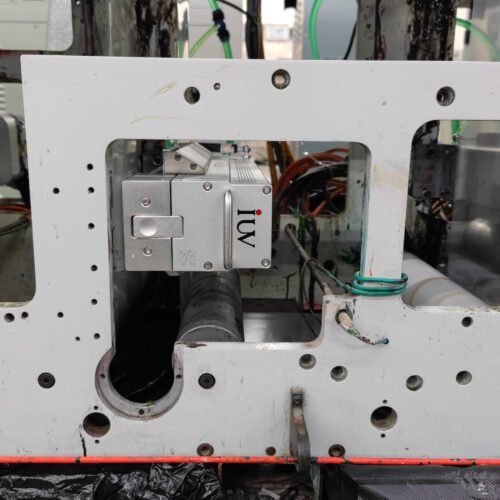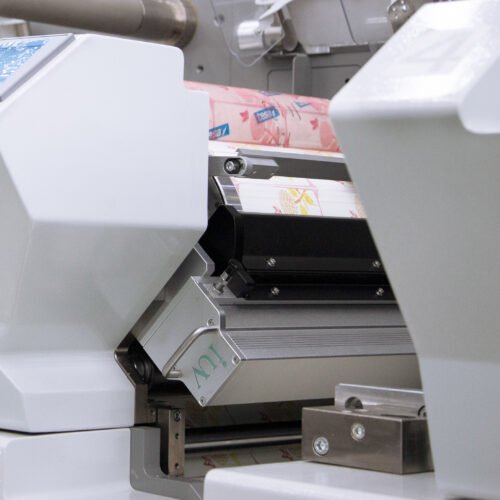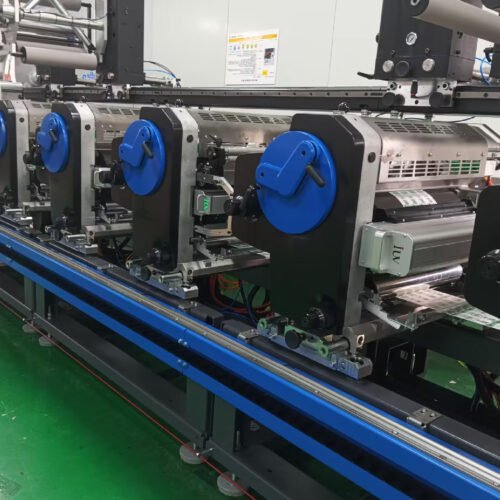
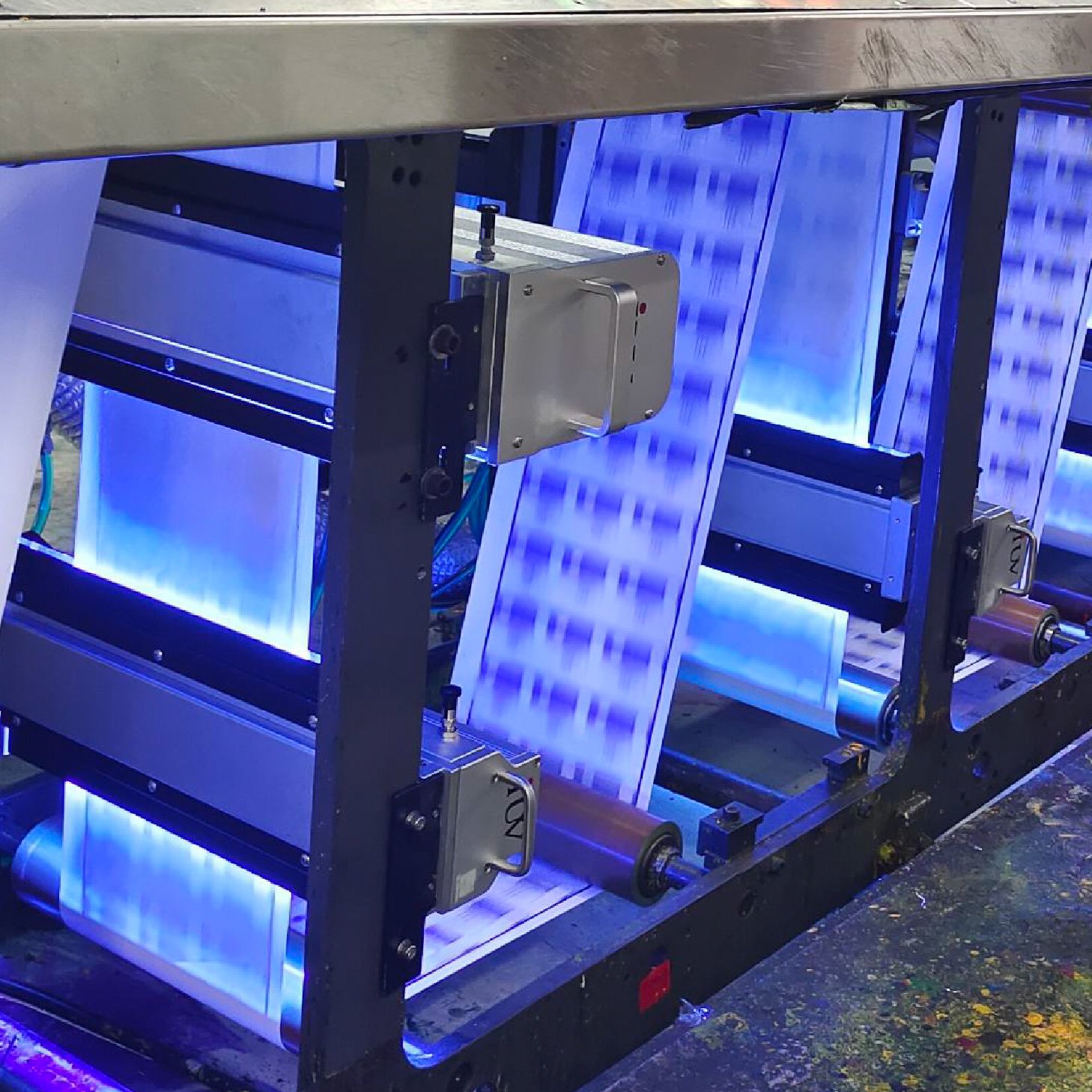
The world of label printing has undergone significant transformations with the advent of new technologies. Among the most influential of these advancements is the introduction of UV curing systems, particularly LED UV curing, which has become a game-changer in the printing industry. For label printers, especially those using flexographic printing methods, the implementation of UV curing technologies has resulted in faster production times, superior print quality, and a more sustainable printing process.
Understanding UV Curing Systems in Label Printing
UV curing is a process where ultraviolet (UV) light is used to cure or dry inks during the printing process. Unlike traditional drying methods that rely on heat or air, UV curing involves the rapid curing of inks through exposure to UV light. This process is instantaneous, resulting in prints that are dry to the touch as soon as they come off the press.
UV inks are formulated to cure under UV light, making them ideal for printing on non-porous surfaces like plastic, foil, and other synthetic materials commonly used in label printing. The major benefit of using UV curing in label printing is that it allows for faster drying times and higher production speeds, which can drastically improve operational efficiency.
The Role of LED UV Curing in Modern Label Printing
LED UV curing is a specific type of UV curing technology that utilizes light-emitting diodes (LEDs) instead of traditional mercury vapor lamps to produce UV light. LED UV systems have quickly become the preferred choice in the label printing industry due to their numerous advantages over older UV curing systems.
1. Energy Efficiency
LED UV curing systems are far more energy-efficient than traditional UV lamps. They consume less power, generate less heat, and have a longer operational life. This leads to lower operational costs and a smaller carbon footprint, making LED UV a sustainable choice for label printers.
2. Instantaneous Drying
One of the biggest advantages of LED UV curing is the rapid drying time. Traditional ink drying methods, such as heat drying or air drying, take longer and can slow down the production process. With LED UV curing, inks cure almost instantly when exposed to UV light, allowing for faster turnaround times and higher productivity.
3. Improved Print Quality
LED UV curing ensures that the inks are fully cured, preventing issues like smudging or fading that can occur with traditional drying methods. The result is a sharper, more durable print that maintains its quality over time. This is particularly important for labels that are exposed to harsh conditions, such as moisture or abrasion.
4. Lower Heat Generation
LED UV lamps emit very little heat compared to mercury vapor lamps, making them more suitable for heat-sensitive substrates. This is particularly beneficial in the production of labels for materials like thin films, foils, and other substrates that could warp or distort under excessive heat.
Flexographic Printing and UV Curing: A Perfect Match
Flexographic printing, commonly used in narrow-web label printing, benefits significantly from UV curing systems. This method of printing uses flexible photopolymer plates (often referred to as “flexo plates”) to transfer ink onto a substrate. With flexographic printing, the combination of high-speed production and the quality of print is crucial, and UV curing is the key technology that enhances these factors.
UV curing is ideal for flexographic printing because it provides the rapid curing necessary to handle high-speed presses. The curing process ensures that the inks are dry and set immediately after printing, reducing the risk of smudging or transferring during subsequent stages of production. Additionally, it allows printers to use a wide range of inks and coatings, which are essential for achieving the desired finish on labels.
The Benefits of Narrow Web Printing with UV Curing
Narrow web printing refers to the printing of labels and other products on webs that are less than 24 inches wide. This type of printing is typically used for high-quality label production and short-run jobs. The use of UV curing in narrow-web printing systems allows for faster production speeds, improved print quality, and the ability to print on a wide variety of materials.
For label printers, UV curing provides the flexibility to work with a diverse range of substrates, from paper and vinyl to specialty films and foils. The ability to print on these materials without worrying about drying times or ink adhesion issues opens up new possibilities for creating high-end, durable labels.
Sustainable Printing: Reducing Waste and Improving Efficiency
The move toward LED UV curing systems is not only about speed and quality—it’s also about sustainability. Traditional printing methods, especially those that use solvent-based inks, can create significant waste and pollution. Solvent evaporation and extended drying times lead to greater material use, increased energy consumption, and harmful emissions.
LED UV curing systems, in contrast, offer a cleaner, more environmentally friendly solution. Since the curing process is instant, there is less ink waste, and energy consumption is reduced. Additionally, LED UV systems do not produce ozone or volatile organic compounds (VOCs), which are common byproducts of traditional UV lamps. This makes LED UV curing a much safer and more eco-friendly option for label printers.
Flexibility and Versatility in Label Production
Another advantage of UV curing systems is the ability to print a wider range of finishes and effects. UV inks can be used to create glossy, matte, or textured finishes, allowing label printers to offer more variety in their designs. Furthermore, the quick curing time of UV inks means that multiple coatings or finishes can be applied in a single pass, reducing the need for additional processes and increasing overall efficiency.
Whether you’re printing high-end cosmetic labels, beverage labels, or durable industrial tags, UV curing systems give printers the flexibility to meet the demands of various industries. The ability to print on diverse materials, coupled with the wide range of finishes available, makes UV curing an essential technology for modern label printing.
Conclusion
Incorporating LED UV curing systems into label printing operations brings about significant advantages in terms of efficiency, print quality, sustainability, and versatility. As demand for high-quality, durable labels continues to rise across industries, UV curing technology stands as a pivotal tool for manufacturers seeking to improve their processes and meet the evolving needs of the market. The integration of LED UV curing in flexographic and narrow-web label printing is undoubtedly a step toward a more efficient, cost-effective, and environmentally friendly future in the label printing industry.