<!-- Meta Pixel Code --> <!-- 结束元像素代码 -->

Workflow Automation in UV Printing: From Material Detection to Curing Control

Workflow Automation in UV Printing From Material Detection to Curing Control

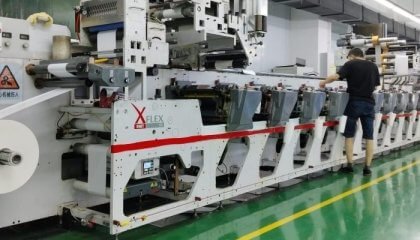
The efficiency and quality of modern printing operations are increasingly defined by how seamlessly workflows are managed. When it comes to UV printing, particularly in demanding sectors like label, flexo, and offset printing, workflow automation is no longer a luxury; it’s a necessity. This article delves into the critical stages of automated UV printing, from initial material detection right through to the precise control of curing, all designed to enhance productivity and deliver superior results in narrow web applications.

Automated Material Detection: The Foundation of a Smooth Run

Every successful print job begins with the right material. In an automated UV printing workflow, sophisticated sensors play a pivotal role. These systems can identify substrate types – be it paper, film, or specialized plastics – and adjust press parameters accordingly. This intelligent detection prevents common errors like incorrect ink adhesion or material damage due to inappropriate settings. For narrow web presses, where precision is paramount, this automated check ensures that each roll of material is handled optimally from the moment it’s loaded. This reduces setup times and minimizes waste, setting the stage for a high-quality print run.

Pre-press Integration and Automated Setup

The journey from digital artwork to finished print is significantly streamlined by integrating pre-press workflows with the printing press. Automated systems can receive job specifications directly, eliminating manual data entry and the potential for human error. This includes setting up registration, color profiles, and ink densities based on the pre-defined job parameters. For flexographic and offset printing presses utilizing UV curing, this pre-press integration means that the press is primed for the specific job before the operator even begins. This level of automation is crucial for short runs and quick changeovers, common in the label printing industry.

Intelligent Ink Dispensing and Management

Accurate ink dispensing is fundamental to consistent print quality, especially with UV inks which have unique viscosity and drying characteristics. Automated ink management systems ensure that the precise amount of ink required for a job is delivered to the print stations. These systems can monitor ink levels, alert operators to low supplies, and even automatically replenish ink reservoirs from bulk storage. This prevents inconsistencies in color density and reduces the risk of running out of ink mid-job, which is a significant workflow disruption. In UV flexo and offset printing, where color matching is critical, this automated control guarantees batch-to-batch consistency.

Automated Registration and Color Control

Maintaining perfect registration and color accuracy throughout a print run is a hallmark of professional printing. Modern UV printing presses employ automated vision systems that continuously monitor the print on the substrate. These systems detect any drift in registration or color variation and automatically make micro-adjustments to the printing plates or ink flow. This closed-loop feedback system ensures that the print remains within tight tolerances, even at high speeds. For narrow web label printing, where intricate designs and fine text are common, this automated control is indispensable for achieving the sharp, vibrant results that customers expect.

The Crucial Role of UV Curing Control

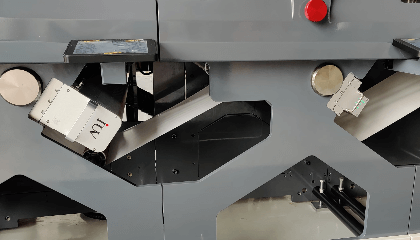
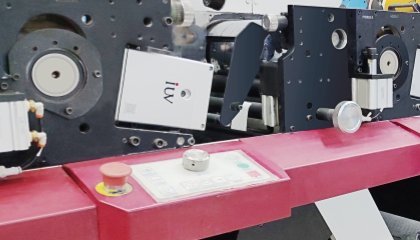
The curing process is where UV inks transform from liquid to a solid, durable finish. In an automated UV printing workflow, the control of UV curing is meticulously managed to ensure optimal performance. This involves precisely regulating the intensity and exposure time of the UV lamps. Different inks and substrates require different curing profiles, and automated systems can store and recall these settings for each job. This ensures that the ink is fully cured without damaging the substrate or causing premature aging.

Optimizing UV Lamp Performance

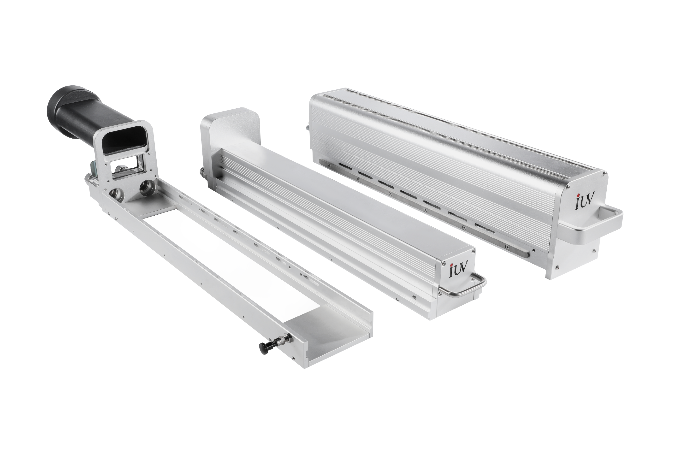
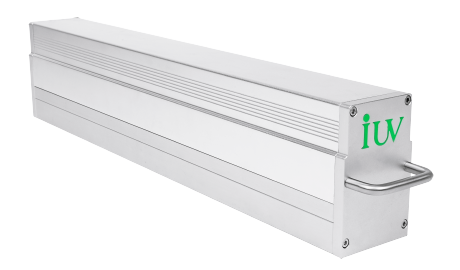
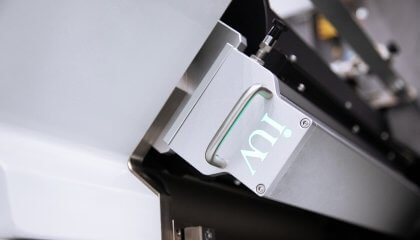
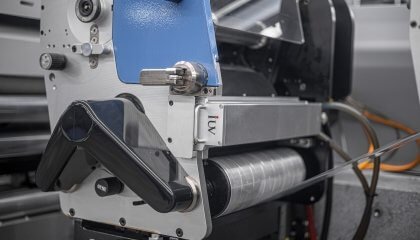
Modern UV curing systems, particularly LED UV lamps, offer significant advantages in terms of energy efficiency, longevity, and precise control. Automated systems allow for the precise management of LED UV lamp output. This means that the correct wavelength and power are delivered exactly when and where needed, optimizing the curing process for speed and efficiency. The ability to control individual lamp banks or even specific zones on the press allows for tailored curing profiles, which is invaluable when printing on heat-sensitive materials or when using multi-layer ink systems. This level of control directly impacts the gloss, scratch resistance, and overall durability of the printed product.

Integrating Curing Data with Workflow Automation

The data generated by automated UV curing systems can be fed back into the broader workflow automation platform. This information can be used to track the performance of the curing units, identify potential issues before they lead to defects, and even provide valuable insights for future job planning. For example, if a particular substrate consistently requires a higher UV dose for optimal cure, this information can be automatically applied to future jobs using the same material. This data-driven approach to workflow management enhances consistency and continuous improvement across the entire printing operation.

Benefits of Workflow Automation in UV Printing

Implementing comprehensive workflow automation in UV printing, from material detection to curing control, yields a multitude of benefits. Firstly, it dramatically increases productivity by reducing manual intervention, minimizing setup times, and enabling faster print speeds. Secondly, it significantly improves print quality and consistency by eliminating human error and ensuring precise control over every variable. This leads to reduced waste, lower operational costs, and higher customer satisfaction. Finally, it enhances the overall flexibility of the printing operation, allowing businesses to respond more effectively to market demands for shorter runs, quicker turnarounds, and specialized print applications.

In conclusion, the integration of automated material detection, intelligent ink management, precise registration and color control, and sophisticated UV curing management represents the future of efficient and high-quality UV printing. For businesses in the label, flexo, and offset printing sectors, embracing these technologies is not just about staying competitive; it’s about unlocking new levels of operational excellence and delivering unparalleled value to their clients.

Contact IUV Curing Experts

滚动至顶部