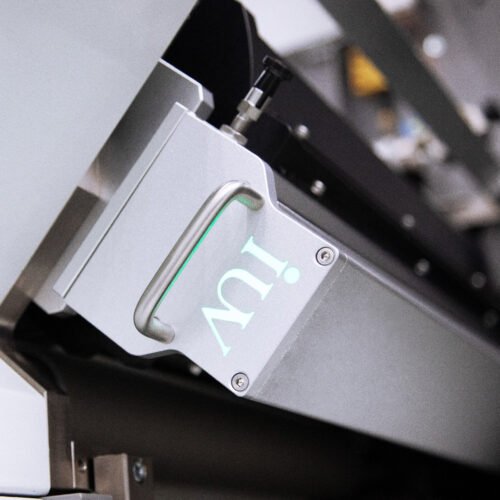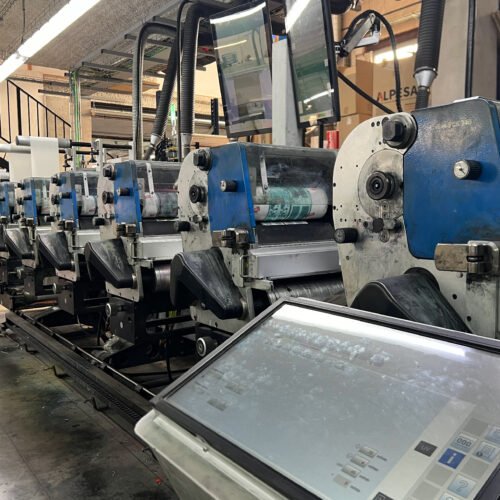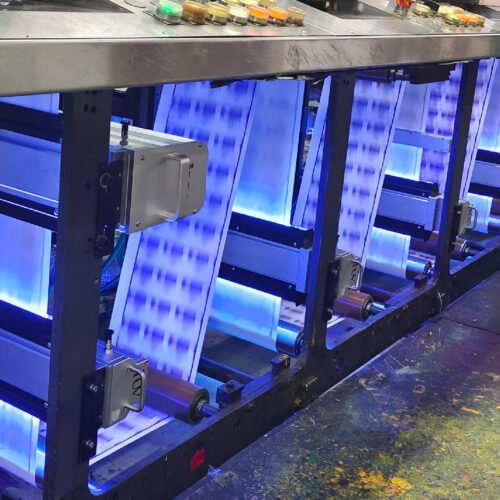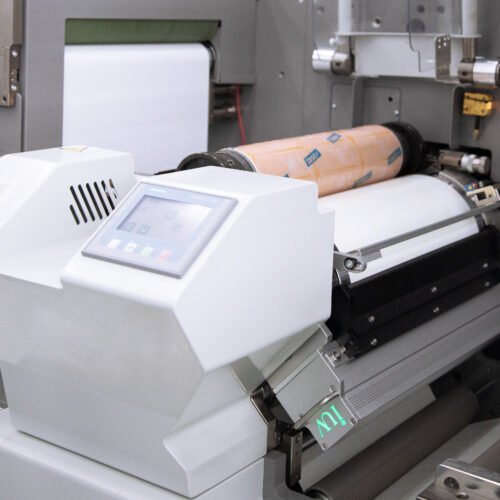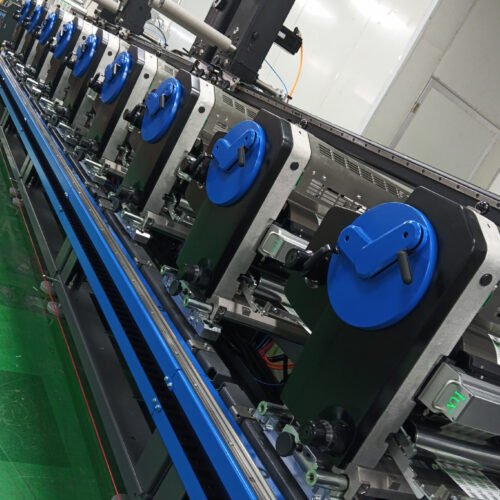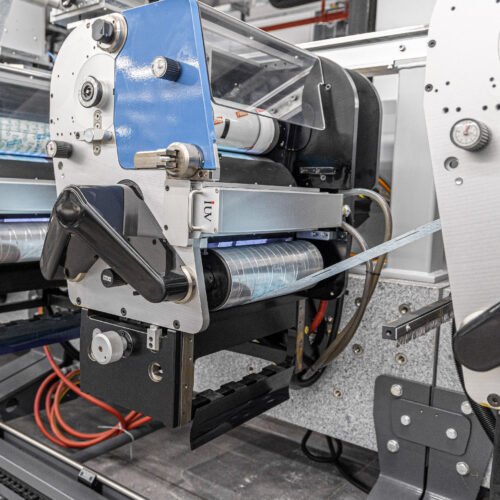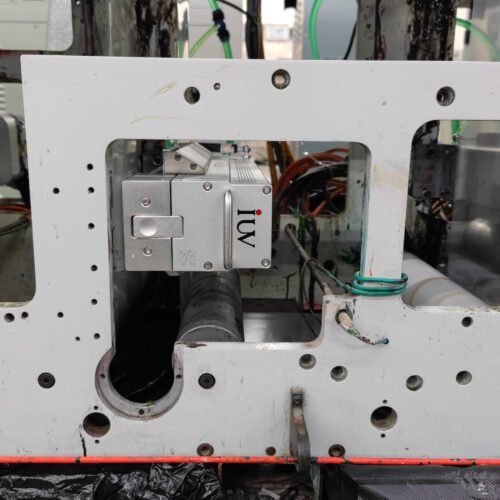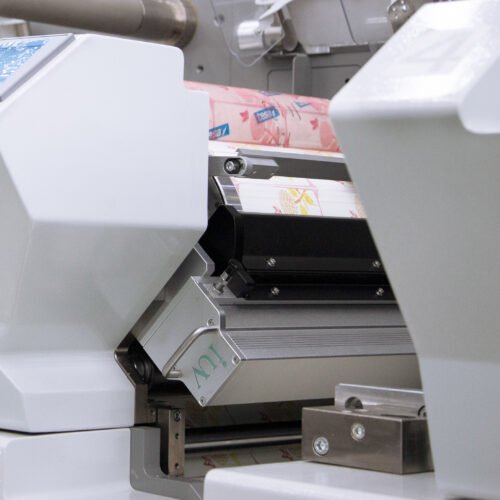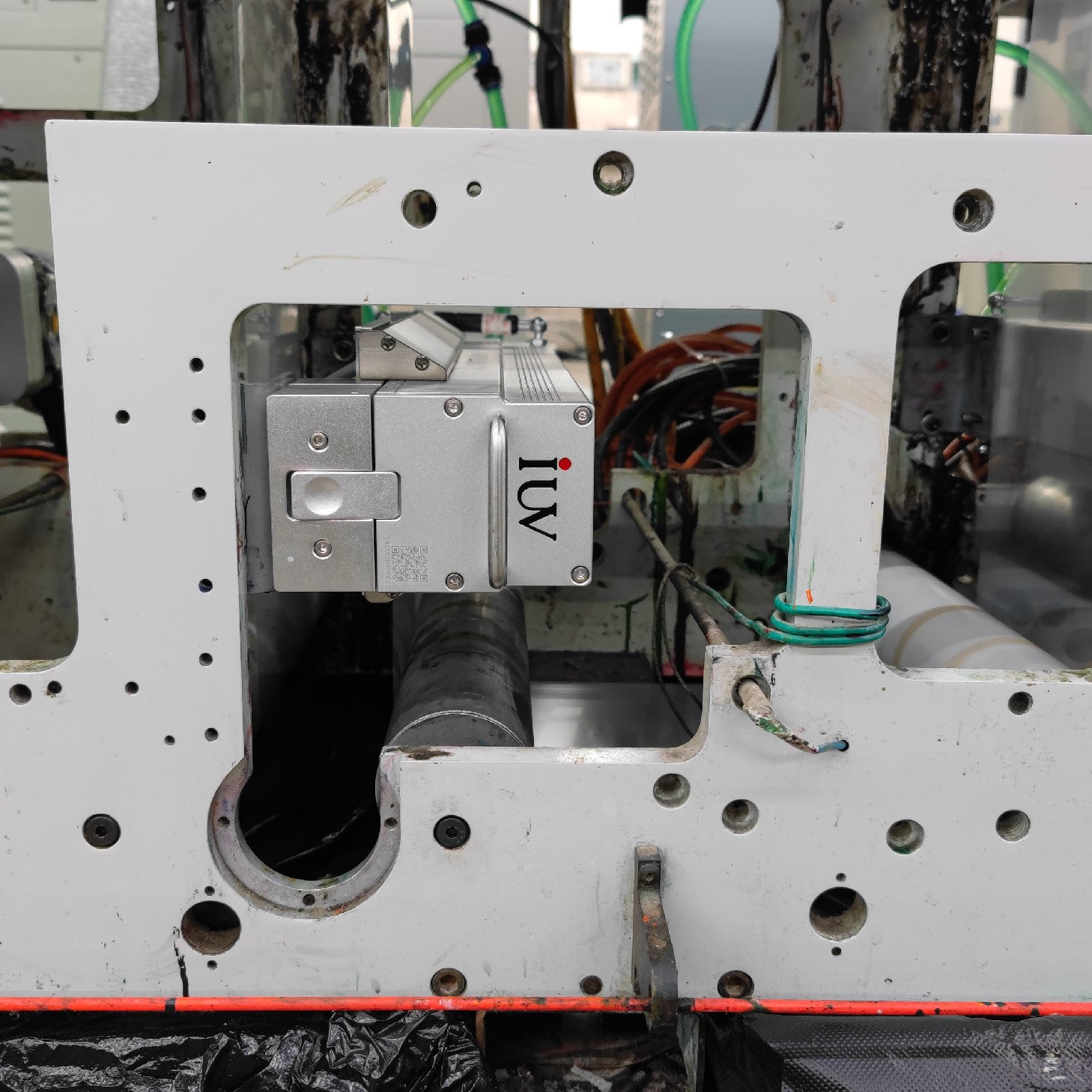
In the rapidly evolving printing landscape, technology continually reshapes how jobs are executed, optimized, and cost-efficiently managed. One of the most significant changes in recent years is the adoption of LED curing systems. These systems are revolutionizing various printing segments, including label printing, flexographic printing, plate printing, and narrow-width printing. They are providing printers with a pathway to lower operational costs while enhancing product quality and throughput.
The Role of UV Curing in Modern Printing
Ultraviolet (UV) curing technology has been a staple in the printing industry for decades. It allows inks and coatings to dry instantly upon exposure to UV light—leading to faster production cycles and immediate handling. Traditional mercury vapor UV systems, while effective, carried drawbacks such as high energy consumption and longer warm-up times, which increased operational costs.
Now, LED UV curing offers a significant upgrade, addressing these limitations with energy-efficient, instant-on technology that reduces downtime and electricity bills. LED systems emit light at specific wavelengths compatible with UV-curable inks and coatings, ensuring consistent curing without excess heat or energy waste.
Benefits of LED Curing Systems in Label and Narrow-Width Printing
Lower Energy Consumption and Operating Costs
LED UV systems consume a fraction of the power required by traditional UV lamps. Their instant on/off capability drastically reduces energy consumption during startup and shutdown. For label and narrow-width printers, where high throughput and fast turnaround are paramount, these savings translate directly into reduced operational costs over time.
Increased Equipment Lifespan
The absence of mercury lamps in LED systems means fewer replacement parts and less maintenance. The extended lifespan of LED light sources—often over 20,000 hours—reduces downtime and maintenance expenses. This reliability ensures continuous production and promotes overall cost savings.
Enhanced Production Efficiency
Instant curing in LED systems cuts down on waiting times for inks to dry or cure. This acceleration can translate into higher daily output and shorter production cycles, allowing printers to meet tight deadlines with less hassle. Such efficiency gains are especially valuable in applications demanding quick turnaround, like custom labels or flexible packaging.
Improving Quality and Consistency with LED UV
Superior Color and Varnish Quality
LED curing provides excellent ink adhesion and vibrant colors, crucial for label graphics and branding. The rapid curing process reduces ink bleed and allows for detailed, high-resolution printing. Furthermore, LED systems enable precise control over curing intensity, which helps in achieving consistent results across batches.
Reduced Warping and Dimensional Changes
Since LED UV systems operate at lower temperatures, they minimize the risk of warping or deforming substrates—particularly important with thin or sensitive materials used in label printing. The stable curing environment ensures that labels maintain their intended shape and finish.
Environmental Advantages of LED UV
Eco-Friendly Operation
Without mercury bulbs, LED curing systems are inherently more environmentally friendly. They do not contain hazardous substances and produce no mercury waste—simplifying disposal and compliance with environmental standards.
Lower VOC Emissions
Instant curing reduces the need for solvents and lowers volatile organic compound emissions. This contributes to safer working environments and aligns with green printing initiatives.
Practical Applications Across Printing Types
Label Printing
LED UV enables quick curing of label adhesives and inks, speeding up the production line while maintaining vivid, durable finishes. The ability to cure on a variety of substrates makes it ideal for flexible labels, shrink sleeves, and specialty coatings.
Flexographic Printing
In flexo presses, LED curing facilitates seamless operation with high-speed inline processes. The rapid light emission cures inks instantly, reducing registration issues and improving productivity while keeping energy costs low.
Plate and Letterpress Innovations
Although traditionally offset or letterpress printings don’t heavily rely on UV curing, modern innovations incorporate LED UV for coatings and specialty inks, providing faster turnaround and cleaner processes.
Narrow-Format and Specialty Printing
LED UV is particularly suitable for narrow-format printers handling customized, short-run jobs. Its flexibility and speed allow for quick changeovers and the production of complex, high-quality designs without sacrificing cost efficiency.
Making the Transition to LED UV
Adopting LED curing technology requires careful assessment of existing equipment and workflows. Compatibility with current inks, coatings, and substrates must be verified. Additionally, training staff on new systems ensures optimum performance and maintenance practices.
Upgrading to LED UV systems can seem like a sizable investment initially, but the long-term savings made through reduced energy use, maintenance costs, and increased output often outweigh the initial outlay. For printers seeking to stay competitive and sustainable, this shift is no longer optional but essential.
Conclusion: The Future of Cost-Effective Printing
LED UV curing systems offer a compelling package of technological advantages that resonate across multiple facets of the printing industry. Lower operating costs, improved quality, environmental benefits, and enhanced efficiency position LED curing as a future-forward choice for label, flexo, plate, and narrow-format printers alike.
As the demand for faster turnaround times and sustainable practices grows, more printers will turn to LED UV technology to meet these challenges. Embracing this innovative solution is not just a matter of staying current—it’s a strategic move toward smarter, cleaner, and more profitable printing operations.