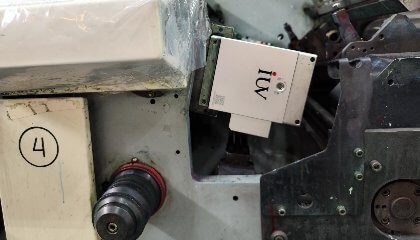
The printing industry is undergoing a significant transformation, driven by the quest for enhanced efficiency, improved quality, and a more sustainable operational footprint. At the heart of this evolution lies the adoption of advanced curing technologies. For years, traditional mercury vapor lamps have been the standard for UV curing in printing applications. However, a compelling alternative has emerged, rapidly gaining traction and reshaping how printers approach their finishing processes: LED UV retrofits. This shift away from mercury systems towards LED UV technology isn’t merely a trend; it’s a strategic decision driven by tangible benefits across various printing sectors, including label, flexographic, and offset printing.
The Limitations of Traditional Mercury Vapor Curing
For decades, mercury vapor lamps powered UV curing processes in printing. These systems, while functional, presented a unique set of challenges. Their operation relies on heating mercury gas to produce UV light, a process that is energy-intensive and generates considerable heat. This heat output can be problematic, especially when printing on heat-sensitive substrates commonly found in narrow web label printing or certain packaging applications. Overheating can lead to substrate distortion, affecting registration and overall print quality. Furthermore, mercury lamps have a finite lifespan and require periodic replacement, incurring ongoing costs and necessitating downtime for maintenance. The disposal of spent mercury lamps also presents environmental concerns, adding another layer of complexity and cost to their operation.
Introducing the LED UV Revolution
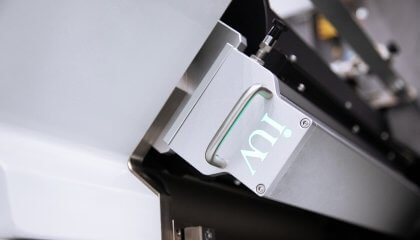
Light Emitting Diode (LED) UV curing technology represents a paradigm shift. Instead of relying on a broad spectrum of UV light generated by heating mercury, LEDs emit UV light at specific, narrow wavelengths. This targeted emission is highly efficient and offers a host of advantages. The primary benefits revolve around energy savings, reduced heat output, longer lifespan, and environmental friendliness. For printers, this translates into lower operational costs, improved print quality, greater substrate flexibility, and a more sustainable production environment.
Why Printers Are Choosing LED UV Retrofits
The decision to upgrade to LED UV curing systems, often through retrofitting existing presses, is a multifaceted one. It’s not just about adopting new technology; it’s about solving existing problems and unlocking new possibilities.
Enhanced Energy Efficiency and Cost Savings
One of the most significant drivers behind the adoption of LED UV retrofits is their remarkable energy efficiency. Traditional mercury lamps consume a substantial amount of power, with much of that energy lost as heat. LED systems, on the other hand, are designed to convert a much higher percentage of electrical energy directly into UV light. This translates into dramatically reduced electricity bills, a crucial factor for printing businesses operating with tight margins. The precise on-demand nature of LED UV also plays a role. Unlike mercury lamps that require a warm-up period and run continuously, LEDs can be switched on and off instantaneously. This means energy is only consumed when printing is actually occurring, further amplifying savings, especially in job environments with frequent starts and stops, typical in narrow web label printing.
Superior Substrate Compatibility and Print Quality
The intense heat generated by mercury lamps can limit the types of substrates that can be effectively UV cured. Thin films, heat-sensitive plastics, and certain paper stocks can warp or degrade under such conditions. LED UV systems, with their significantly lower heat output, open up a wider range of substrate options. This is particularly beneficial for label printers who frequently work with delicate materials or require sharp, vibrant prints on non-traditional surfaces. Furthermore, the consistent and focused UV output of LEDs leads to more uniform curing. This consistency results in improved ink adhesion, enhanced scratch and chemical resistance, and a sharper dot definition, all contributing to higher overall print quality. For flexographic printing, where fine detail and precise ink transfer are critical, this enhanced quality is invaluable.
Extended Lifespan and Reduced Maintenance
The lifespan of a mercury vapor lamp is typically measured in hundreds or a few thousand hours. This necessitates frequent replacements, leading to recurring costs for lamps and associated labor for installation. LED UV arrays, in contrast, boast an operational lifespan of tens of thousands of hours, often exceeding 10,000 to 20,000 hours or more. This dramatically reduces the frequency of lamp replacement, minimizing downtime and maintenance overhead. The robust nature of LED technology also means they are less susceptible to damage from vibrations or shock compared to fragile mercury lamps.
Environmental Benefits and Workplace Safety
The environmental advantages of LED UV curing are substantial. Firstly, the reduced energy consumption directly contributes to a smaller carbon footprint. Secondly, and perhaps more critically, LED technology eliminates the need for mercury, a toxic heavy metal. This not only simplifies disposal procedures but also creates a safer working environment for printing staff. The absence of ozone generation, a byproduct of mercury lamp operation, further improves air quality within the print shop, contributing to a healthier and more compliant workplace.
LED UV Retrofitting in Specific Printing Applications
The benefits of LED UV retrofits are particularly pronounced in specialized printing sectors.
Narrow Web Label Printing
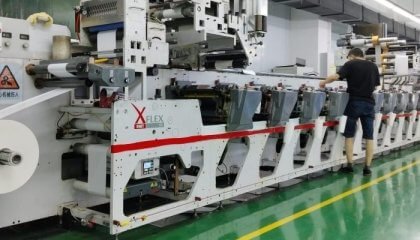
The narrow web label printing industry is a prime candidate for LED UV adoption. Label production often involves high-speed printing on a variety of substrates, including films and foils, and frequently demands intricate detail and vibrant colors for brand differentiation. The ability of LED UV to cure quickly and efficiently on diverse materials, coupled with its low heat, makes it ideal for this demanding application. Retrofitting existing narrow web presses with LED UV units allows label printers to achieve faster run speeds, expand their substrate capabilities, and produce higher quality labels with enhanced durability, all while reducing their energy consumption and environmental impact. The precise control offered by LED UV also aids in achieving consistent color registration, a critical factor for multi-color label designs.
Flexographic Printing
Flexography, widely used for packaging and labels, benefits immensely from LED UV curing. The consistent and controlled UV output of LED systems ensures uniform curing across the printed area, which is vital for achieving sharp, defined images and text. This improved curing translates to better ink adhesion, superior rub resistance, and enhanced scuff protection for the printed product – all essential qualities for packaging that needs to withstand handling and transit. Furthermore, the reduced heat from LED UV allows flexographic printers to run at higher speeds without compromising substrate integrity or ink performance, boosting overall productivity. The ability to cure a wider range of inks and coatings, including those designed for specific barrier properties in food packaging, is also a significant advantage.
Offset Printing
While traditionally associated with different curing methods, offset printing, particularly sheetfed and heatset web offset, is also embracing LED UV technology. For applications requiring immediate drying and finishing, such as commercial printing of brochures, catalogs, or high-end packaging, LED UV offers a distinct advantage. The instant curing means prints can be handled, stacked, or sent for further processing immediately, eliminating the need for long drying times or bulky drying equipment. This accelerates turnaround times, reduces the risk of smudging or offsetting, and improves workflow efficiency. The ability to print on non-absorbent substrates, like plastic cards or synthetic papers, which are becoming increasingly popular, is another key benefit for offset printers adopting LED UV.
Making the Transition: Considerations for Retrofitting
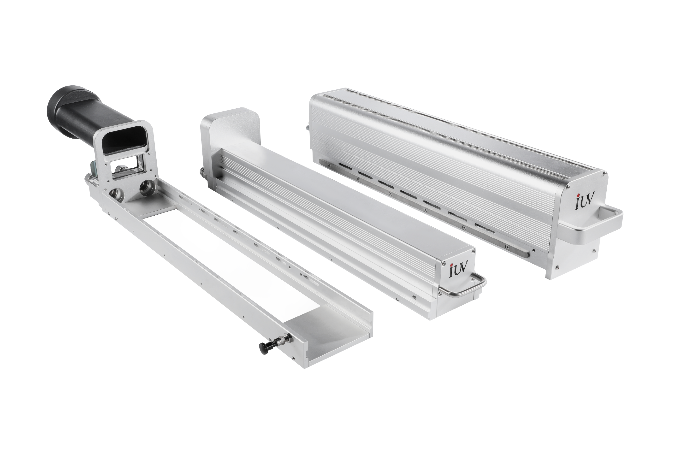
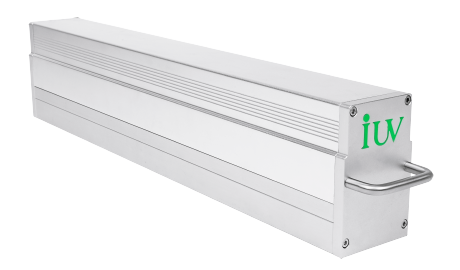
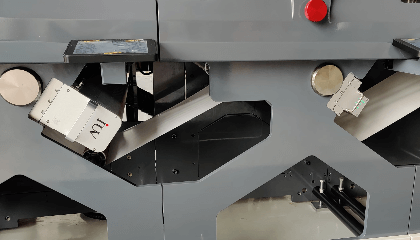
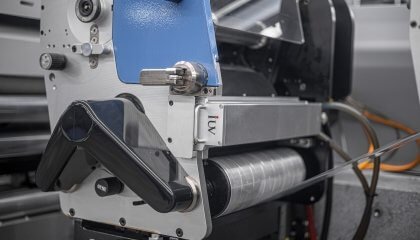
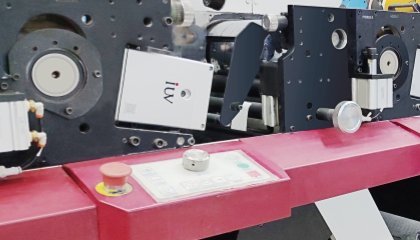
When considering an LED UV retrofit, printers should evaluate several factors. The specific application, the types of inks and coatings used, and the desired production speeds are all crucial. It’s also important to understand the spectral output of the LED system to ensure compatibility with existing ink formulations. Many LED UV systems are designed as modular units that can be easily integrated into existing press configurations, minimizing disruption to production. Consulting with equipment manufacturers and specialists in UV curing technology is highly recommended to identify the most suitable LED UV solution for a particular printing operation.
The Future is Lit: Embracing LED UV
The transition from traditional mercury UV curing to LED UV technology is not just an upgrade; it’s a strategic imperative for printers looking to remain competitive in today’s market. The compelling combination of energy efficiency, superior print quality, extended equipment lifespan, and environmental benefits makes LED UV retrofits a clear choice for businesses in label, flexographic, offset, and other printing sectors. As the technology continues to mature and become more accessible, its adoption will only accelerate, paving the way for a more sustainable, efficient, and high-quality future in the printing industry.