<!-- Meta Pixel Code --> <!-- 结束元像素代码 -->

Why LED UV Curing Systems Are Transforming Narrow Web Printing Efficiency

Why LED UV Curing Systems Are Transforming Narrow Web Printing Efficiency

The landscape of narrow web printing is undergoing a significant evolution, driven by advancements in curing technology. For years, traditional UV curing methods have been the standard. However, the advent of LED UV curing systems is rapidly reshaping how efficiency is achieved in this demanding sector. This shift is not merely incremental; it represents a fundamental transformation in speed, quality, and operational sustainability.

The Demands of Narrow Web Printing

Narrow web printing, often used for labels, packaging, and specialty products, operates under unique pressures. High production speeds are paramount, as is the need for consistent, high-quality output. Whether printing on flexible films, papers, or even some plastics, the substrate must remain stable, and the ink or coating must be perfectly cured before the next process step or the final product is finished. This intricate dance between speed, substrate integrity, and curing effectiveness is where traditional systems have often faced limitations.

Limitations of Traditional UV Curing

Traditional UV curing systems, typically employing mercury vapor lamps, have served the industry well for decades. They offer a powerful source of UV light capable of curing inks and coatings quickly. However, these lamps come with several drawbacks that impact efficiency and operational costs.

Mercury lamps generate significant heat. This heat can transfer to the substrate, potentially causing issues like shrinkage, warping, or delamination, especially with sensitive materials. Managing this heat requires substantial ventilation and cooling systems, adding to the energy consumption and complexity of the printing press. Furthermore, mercury lamps have a finite lifespan and their UV output degrades over time, necessitating regular replacement and recalibration to maintain consistent curing performance. Disposal of mercury bulbs also presents environmental concerns.

The Rise of LED UV Curing Technology

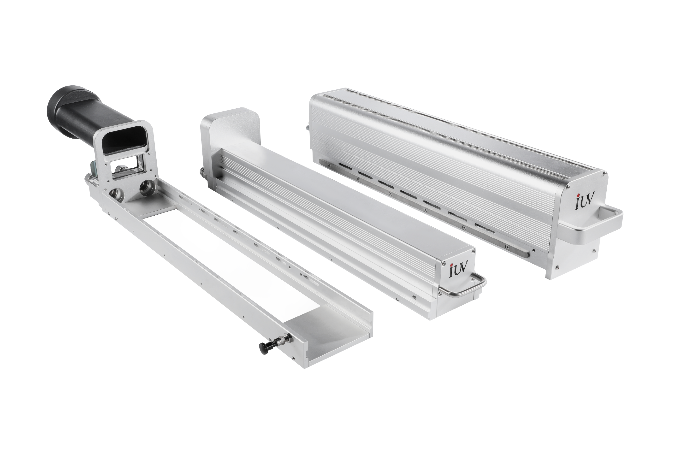
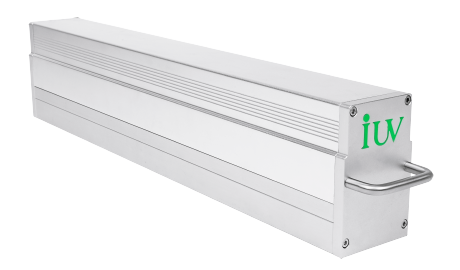
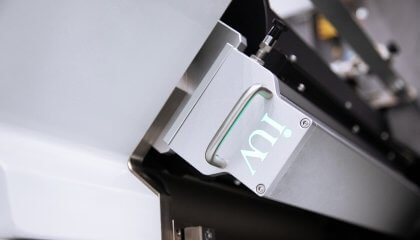
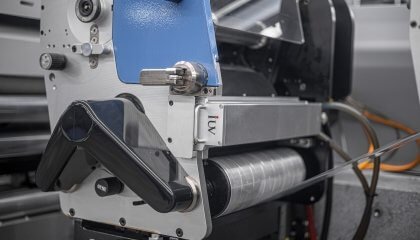
LED UV curing systems utilize Light Emitting Diodes to generate UV light. This technology offers a distinct set of advantages that directly address the inefficiencies and limitations of traditional mercury lamps in the context of narrow web printing.

Enhanced Energy Efficiency and Reduced Heat

One of the most compelling benefits of LED UV is its superior energy efficiency. LEDs convert a much higher percentage of electrical energy into UV light compared to mercury lamps. This translates directly into lower power consumption, reducing operational costs. Crucially, LEDs emit very little heat in the infrared spectrum. This means significantly less thermal energy is transferred to the substrate. Printers can achieve faster line speeds without the risk of substrate distortion or damage, enabling greater flexibility in material choices.

Instant On/Off Capability and Longer Lifespan

Unlike mercury lamps, which require a warm-up period and have a continuous output, LEDs can be switched on and off instantaneously. This capability is invaluable in short-run printing environments where frequent job changes are common. There’s no waiting for lamps to heat up or cool down, saving precious minutes between jobs. Beyond the immediate time savings, LED UV systems boast an exceptionally long operational lifespan, often exceeding 20,000 hours. This dramatically reduces maintenance downtime and the recurring cost of lamp replacement, contributing to a lower total cost of ownership.

Consistent UV Output for Superior Curing

The UV output of mercury lamps tends to degrade over their operational life, leading to inconsistencies in curing. LED UV systems, however, maintain a stable and consistent UV output throughout their lifespan. This ensures reliable and thorough curing of inks and coatings, job after job. This consistency is vital for achieving repeatable print quality, especially in demanding applications like food packaging where strict regulatory standards must be met. The ability to precisely control the wavelength of UV light emitted by LEDs also allows for optimized curing of specific ink formulations.

Environmental Benefits and Safety

The environmental advantages of LED UV curing are significant. By consuming less energy, they reduce a printer’s carbon footprint. The absence of mercury in LED lamps eliminates hazardous waste disposal issues associated with traditional UV systems. Furthermore, the lower heat output can contribute to a more comfortable working environment on the print floor. The focused UV output of LEDs can also improve safety by minimizing stray UV light exposure.

Impact on Printing Processes

The integration of LED UV curing systems is transforming various printing processes within the narrow web sector.

Flexographic Printing (Flexo)

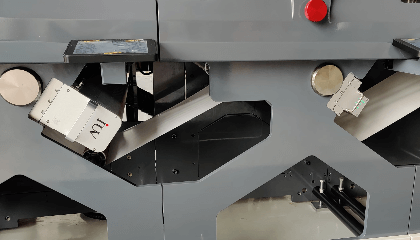
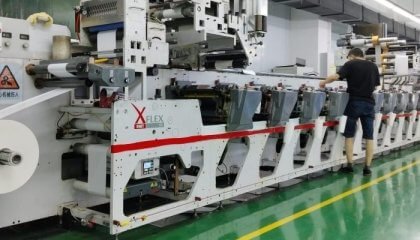
Flexo printing is a cornerstone of narrow web label production. Traditionally, flexo presses relied on hot air drying or conventional UV curing. The introduction of LED UV allows flexo printers to operate at significantly higher speeds. The rapid, cool curing enables faster throughput without compromising the print quality or the integrity of the flexible substrates commonly used in label applications. This is particularly beneficial for pressure-sensitive labels, shrink sleeves, and in-mold labels.

Offset Lithographic Printing (Offset)

While less common in the narrow web segment compared to flexo, offset printing is used for certain high-volume label applications. LED UV curing enables offset presses to achieve faster drying times, allowing for immediate back-printing or finishing operations. This accelerates the overall production cycle, a critical factor in competitive markets.

Combining Technologies for Enhanced Efficiency

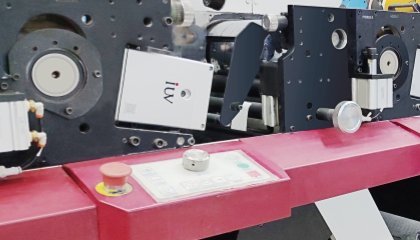
The true power of LED UV is often realized when it’s integrated into hybrid printing press configurations. A press might combine flexo stations for spot colors, digital printing for variable data, and screen printing for special effects, all supported by an efficient LED UV curing system. This allows printers to leverage the strengths of each technology while benefiting from the fast, efficient curing provided by LEDs. The ability of LEDs to cure at lower temperatures also makes them ideal for sensitive applications like metallized films or transparent substrates where heat can cause adverse reactions.

Specific Applications Benefiting from LED UV

  • Food and Beverage Labels: Consistent, high-quality curing is essential for compliance and brand integrity. The low-heat output is crucial for sensitive packaging materials.
  • Pharmaceutical and Health Labels: Precision and reliability are paramount. LED UV ensures complete cure for durability and safety.
  • Shrink Sleeves and Flexible Packaging: Substrate stability is key. LED UV’s cool curing prevents distortion, maintaining dimensional accuracy for seamless application.
  • Specialty and Security Labels: The ability to overprint and finish immediately after curing accelerates the production of complex, multi-layered labels.

Overcoming the Initial Investment

While the operational benefits of LED UV curing systems are substantial, the initial investment can be higher than for conventional UV systems. However, a comprehensive total cost of ownership analysis often reveals that the long-term savings in energy, reduced maintenance, fewer consumables (lamp replacements), and increased throughput quickly offset the initial outlay. For many narrow web printers, the enhanced efficiency and competitive advantage gained make LED UV a strategic investment rather than simply an expenditure.

The Future is Cool and Efficient

LED UV curing technology is no longer an emerging trend; it’s a proven, transformative solution for narrow web printing. Its efficiency, consistency, and environmental benefits are driving adoption across the industry. As printers continue to seek ways to maximize throughput, improve quality, and reduce operational costs, LED UV curing systems stand out as a pivotal technology that is fundamentally reshaping the future of narrow web printing efficiency.

Contact IUV Curing Experts

滚动至顶部