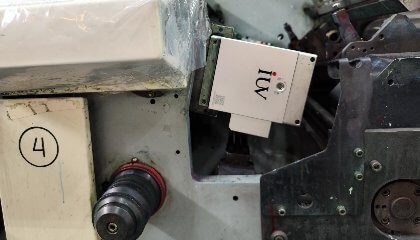
When printing on materials that can’t handle high temperatures, traditional drying methods often present a significant challenge. Conventional UV curing systems, while faster than other methods, still generate a notable amount of heat. This can lead to substrate distortion, ink spread, and ultimately, a compromised print quality. For industries like label printing, narrow web printing, flexography, and offset printing, where a wide range of materials are common, this heat limitation has historically been a major bottleneck.
However, a technological evolution has arrived, offering a superior solution: LED UV curing systems. These systems are fundamentally changing how we approach printing on delicate substrates, providing a level of control and efficiency previously unattainable. They represent the best option for a host of reasons, primarily revolving around their significantly lower heat output and targeted curing process.
The Heat Problem with Traditional Curing
Before diving into the benefits of LED UV, it’s important to understand the drawbacks of older technologies when dealing with sensitive materials. Solvent-based inks, for example, require extensive drying time, which often involves heat to accelerate evaporation. This heat can cause issues.
Drying tunnels in conventional printing presses use heated air or infrared lamps. While effective for many applications, these methods are indiscriminate in their heat application. The entire substrate, along with the surrounding environment within the press, is subjected to elevated temperatures.
This is particularly problematic for materials like thin plastics, certain types of paper, and even some specialty films. The heat can cause them to shrink, warp, or become brittle. In the world of label printing, where precise registration is paramount, substrate movement due to heat can render an entire print run unusable. Similarly, in flexographic and offset printing, delicate plates or anilox rolls can also be affected by excessive ambient heat, leading to inconsistent ink transfer and impression.
Introducing LED UV Curing: A Cooler Approach
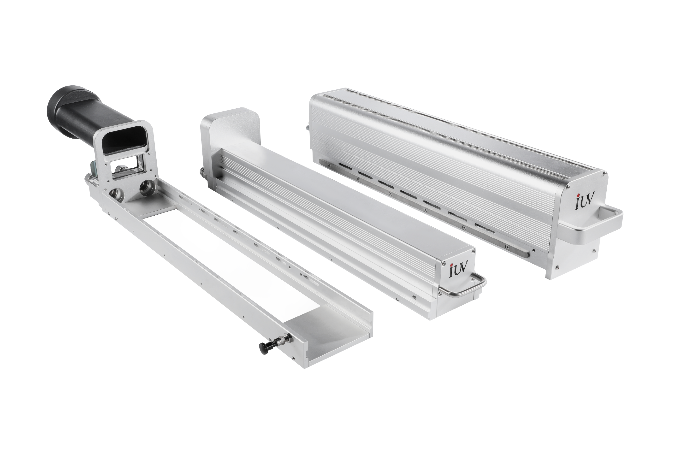
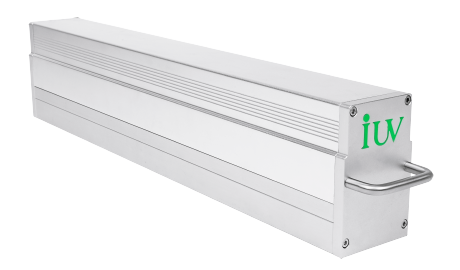
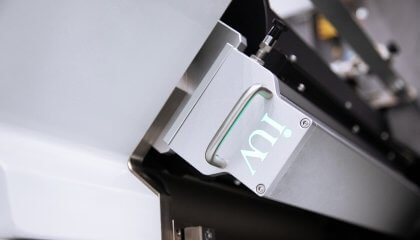
LED UV curing systems operate on a different principle. Instead of broad-spectrum mercury lamps that emit a wide range of wavelengths, including a significant amount of heat, LED UV systems utilize Light Emitting Diodes. These diodes emit a very specific wavelength of UV light, precisely tuned to initiate the photoinitiators within UV-curable inks and coatings.
The key differentiator here is efficiency. LEDs convert a much higher percentage of electrical energy directly into UV light, with minimal waste heat generated. This is a stark contrast to mercury lamps, which are notoriously inefficient, converting a large portion of their energy into heat that needs to be dissipated.
The result is a curing process that is significantly cooler. While there is still some heat produced, it is substantially less than with traditional UV systems. Furthermore, the UV light is directional, meaning it is focused precisely where it is needed – on the ink layer. This targeted application further minimizes any residual heat transfer to the substrate itself.
Advantages for Heat-Sensitive Substrates
The reduced heat output of LED UV systems translates directly into significant advantages for printing on heat-sensitive substrates:
- Minimized Substrate Distortion: With less heat, materials like thin films, certain papers, and heat-sensitive labels are far less likely to shrink, warp, or deform during the curing process. This ensures dimensional stability and maintains precise registration, critical for high-quality label production and multi-color printing in flexo and offset.
- Preservation of Material Properties: Many specialty substrates have inherent properties that can be degraded by heat. LED UV curing helps preserve these properties, ensuring the final product meets its intended specifications, whether that’s flexibility, clarity, or chemical resistance.
- Broader Material Compatibility: This cooler curing process opens up a wider range of substrate possibilities. Printers are no longer limited to robust materials that can withstand conventional heat. They can confidently explore new and innovative substrates for unique label designs or specialized packaging.
- Consistent Ink and Coating Performance: Heat can affect the viscosity and flow of inks and coatings. By maintaining a cooler printing environment, LED UV curing ensures more consistent ink laydown and coating application, leading to uniform gloss, color density, and adhesion across the entire print.
Benefits Across Printing Sectors
The impact of LED UV curing is felt across various printing applications, especially within the narrow web, flexographic, and offset printing sectors:
Narrow Web and Label Printing
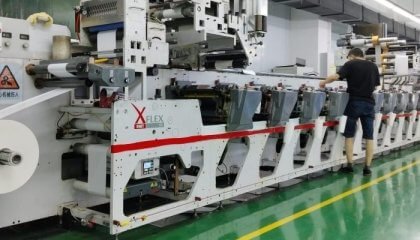
This sector is a prime beneficiary. Narrow web presses are often compact, and heat management can be a concern. The demand for diverse and increasingly sophisticated labels, often printed on challenging substrates, makes LED UV an ideal fit. From shrink sleeves to in-mold labels, the ability to cure without damaging the substrate is invaluable. The consistent curing also ensures labels have the durability required for demanding applications, including exposure to varying environmental conditions.
Flexographic Printing
Flexography, widely used for packaging and labels, often employs a variety of inks and substrates. LED UV offers flexo printers the ability to achieve fast curing speeds without the heat-related concerns associated with older UV lamps. This is especially relevant when printing on flexible packaging films, where maintaining the integrity of the material is paramount for barrier properties and overall product protection. The precise curing also contributes to sharper dot reproduction and finer detail.
Offset Printing
While offset printing has traditionally relied on heatset or conventional UV, the integration of LED UV technology is proving transformative, particularly for shorter runs and specialty applications. For heat-sensitive papers or board stocks used in commercial printing or packaging, LED UV allows for rapid curing without compromising the material’s structure or finish. This enables quicker turnaround times and the ability to handle more delicate print jobs with confidence.
Beyond Heat: Other Advantages of LED UV
While the reduced heat is the standout feature for sensitive substrates, LED UV curing systems offer a suite of other benefits that contribute to their superiority:
- Instant On/Off: Unlike mercury lamps that require warm-up and cool-down periods, LEDs are instant on and off. This leads to significant energy savings, reduces wear on the system, and improves press readiness. It also allows for precise control over curing, applying UV only when and where it’s needed, further minimizing heat exposure.
- Longer Lifespan and Lower Maintenance: LED lamps have a considerably longer operational lifespan than traditional mercury lamps, often lasting tens of thousands of hours. This translates to reduced replacement costs and less downtime for maintenance.
- Wavelength Specificity and Consistency: LEDs emit a consistent and narrow band of UV light. This specificity ensures a more reliable and predictable curing process, as the photoinitiators in the ink are activated more efficiently and uniformly.
- Environmental Benefits: The energy efficiency of LEDs means lower power consumption, contributing to a reduced carbon footprint. Additionally, many UV-curable inks are low in VOCs (Volatile Organic Compounds), further enhancing their environmental profile compared to solvent-based alternatives.
- Enhanced Ink/Coating Performance: The rapid and efficient curing locks down inks and coatings quickly, improving scratch resistance, chemical resistance, and overall durability. This is crucial for labels that endure extensive handling or harsh environments.
Implementing LED UV Curing
Adopting LED UV curing systems requires careful consideration. While the technology itself is robust, successful implementation involves:
- Ink and Coating Formulation: Ensure your inks and coatings are specifically formulated for LED UV curing. They contain photoinitiators that are activated by the specific wavelengths emitted by LEDs.
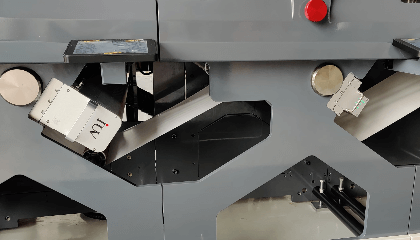
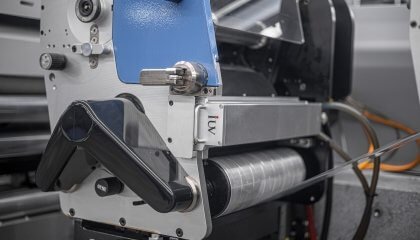
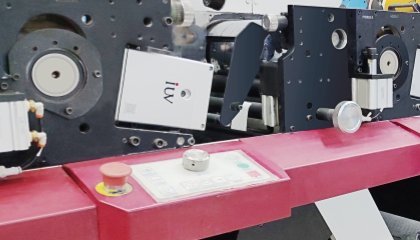
- System Integration: Proper integration of the LED UV curing system into your existing press is crucial. This includes ensuring adequate ventilation and power supply.
- Wavelength Selection: Different LED systems emit different wavelengths. Common ones are in the 365 nm, 385 nm, 395 nm, and 405 nm ranges. The choice depends on the specific inks and coatings being used. Consulting with ink manufacturers is highly recommended.
- Process Control: While LED UV is less sensitive to minor fluctuations than some other methods, maintaining consistent power output and exposure times is still key to achieving optimal results.
The Future is Cooler and Brighter
For printers working with heat-sensitive substrates, the advantages of LED UV curing systems are undeniable. They offer a cooler, more controlled, and highly efficient method for achieving excellent print quality across a diverse range of materials. The enhanced substrate compatibility, improved print performance, and operational efficiencies make LED UV not just an option, but the best choice for modern label, flexographic, and offset printing operations looking to innovate and expand their capabilities. The move towards cooler, more precise curing is a significant step forward, enabling greater creativity and reliability in every print job.