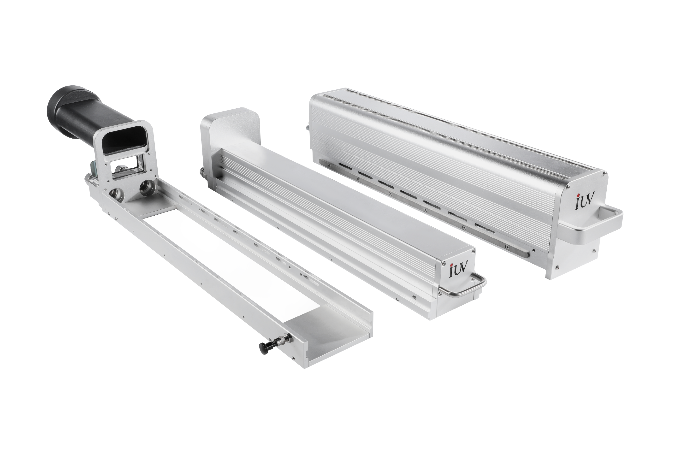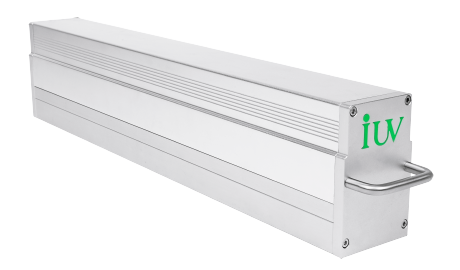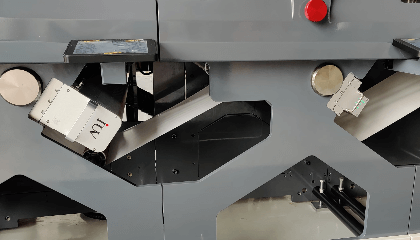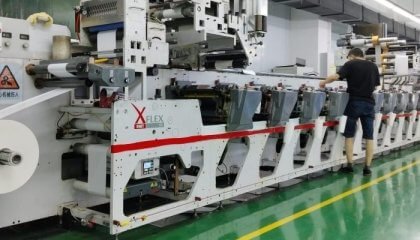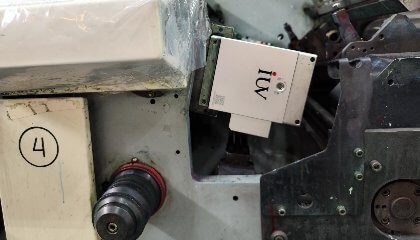
The shift towards LED UV curing in flexographic printing for premium labels is more than just a technological upgrade; it’s a fundamental change in how we achieve superior quality, efficiency, and sustainability. This article delves into why LED flexo is rapidly becoming the industry standard for high-end label production, exploring the specific advantages it brings to narrow-web printing environments.
The Evolution of UV Curing in Flexo
For years, traditional mercury lamp UV curing systems have been the backbone of UV flexo printing. While effective, these systems presented several challenges. They consumed significant energy, generated substantial heat, and required frequent lamp replacement, leading to downtime and increased operational costs. Furthermore, the broad-spectrum light emitted by mercury lamps could degrade certain substrates and inks, limiting creative possibilities.
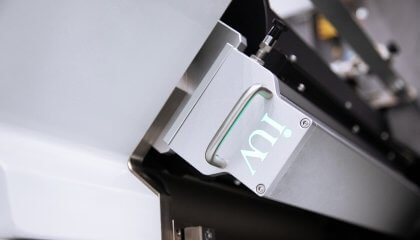
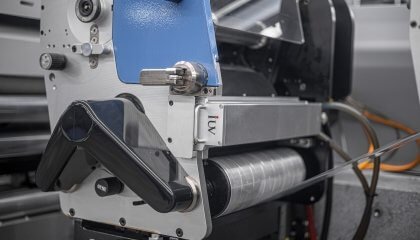
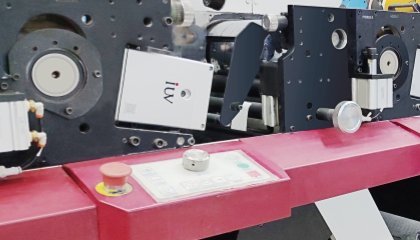
The advent of LED UV curing technology has addressed these limitations head-on. LEDs offer a highly efficient and targeted light source, emitting specific wavelengths that are precisely matched to UV-curable inks and coatings. This specificity is a game-changer for label printing.
Superior Ink Performance and Color Fidelity
One of the primary drivers for the adoption of LED flexo is the enhanced performance of UV-curable inks. LED UV systems emit light at specific wavelengths, typically in the UVA range, which are perfectly absorbed by photoinitiators in specially formulated LED inks. This leads to faster, more complete, and more consistent curing.
For premium labels, this translates directly into brighter, more vibrant colors and sharper details. The precise curing prevents ink migration and blooming, ensuring that fine text and intricate graphics remain crisp and legible. This level of print quality is crucial for brands looking to differentiate themselves on the shelf and convey a sense of premium value. The consistent energy output of LEDs also means that color consistency is maintained throughout long print runs, a vital aspect for brand owners.
Enhanced Substrate Compatibility and Reduced Heat Load
Traditional UV curing lamps generate considerable heat, which can be problematic for heat-sensitive substrates commonly used in label printing, such as certain films and papers. This heat can cause distortion, shrinkage, or even damage to the material, limiting the range of applications.
LED UV systems, in contrast, produce very little heat. This low thermal output allows printers to run a wider variety of substrates, including thin films and delicate papers, without compromising print quality or material integrity. This opens up new creative avenues for label designers and manufacturers, enabling them to use materials that were previously incompatible with UV curing. The reduced heat also contributes to a more comfortable working environment for press operators.
Increased Energy Efficiency and Reduced Operating Costs
The energy savings associated with LED UV curing are substantial. LEDs are significantly more energy-efficient than mercury lamps, consuming a fraction of the power to achieve the same curing results. This translates into lower electricity bills, a direct reduction in operating costs.
Beyond energy consumption, LEDs have a much longer lifespan than mercury lamps. While mercury lamps typically need replacement every 500 to 1,500 hours, LEDs can last for 10,000 to 20,000 hours or more. This dramatically reduces the frequency of lamp replacements, minimizing downtime, labor costs, and the waste associated with disposing of old lamps. The instant on/off capability of LEDs also means that energy is only consumed when the lamps are actually needed, further contributing to efficiency.
Environmental Benefits and Sustainability
The environmental advantages of LED UV curing are increasingly important for businesses focused on sustainability. The reduced energy consumption directly lowers a printer’s carbon footprint. The absence of mercury, a hazardous substance found in traditional UV lamps, eliminates concerns about safe disposal and environmental contamination.
Furthermore, the ability to cure inks efficiently with LED technology often allows for the use of thinner ink films, which can reduce overall ink consumption. This, coupled with the potential for faster print speeds, contributes to a more sustainable and environmentally friendly printing process. For premium labels, where brand image is paramount, a commitment to sustainability can be a significant selling point for end-users.
Improved Productivity and Throughput
The fast, efficient curing provided by LED UV systems leads to significant improvements in productivity. Because the inks cure almost instantaneously, printers can achieve higher press speeds without compromising print quality. This allows for greater throughput and a faster turnaround time for label orders.
The instant on/off nature of LEDs also eliminates the warm-up and cool-down times associated with mercury lamps, allowing presses to start and stop production more quickly. This agility is particularly valuable in the short-run, fast-turnaround environment that characterizes much of the narrow-web label printing market. The consistent curing performance also reduces the need for press stops to adjust curing parameters.
Addressing Specific Applications in Premium Label Printing
The benefits of LED flexo are particularly pronounced in several key areas of premium label printing:
- High-Fidelity Graphics and Text: For labels requiring intricate details, fine type, and vibrant imagery, the precise curing of LED flexo ensures sharpness and clarity that static mercury lamps struggle to match consistently.
- Specialty Finishes: Pearlescent inks, metallic effects, and textured varnishes often demand precise curing to achieve their desired visual impact. LED systems provide the control necessary to produce these premium finishes flawlessly.
- Extended Color Gamuts: Achieving extended color gamuts (ECGs) for richer, more nuanced color reproduction is easier with LED flexo. The consistent curing helps maintain the integrity of the individual ink dots, leading to smoother transitions and broader color ranges.
- Multi-Layered Labels and In-Mould Labels (IMLs): The low heat output of LED UV is essential for printing on the multiple layers found in complex labels or for applications like IMLs, where precise material stability is critical.
- Scratch and Chemical Resistance: Properly cured UV inks offer excellent resistance properties. LED curing ensures optimal cross-linking of the ink polymer, resulting in labels that can withstand abrasion and exposure to chemicals, crucial for product protection and longevity.
The Future is LED Flexo
The transition to LED UV curing in flexographic label printing is not a matter of if, but when. The technology offers a compelling combination of enhanced print quality, operational efficiency, cost savings, and environmental benefits that are simply unmatched by traditional UV curing methods.
For label printers aiming to produce premium products and remain competitive in a demanding market, embracing LED flexo is a strategic imperative. It unlocks new levels of performance, sustainability, and profitability, positioning businesses for success in the evolving landscape of label printing. As ink formulations continue to advance and press manufacturers further integrate LED curing technology, its dominance in premium label printing will only solidify.