Why LED Curing Systems Are the Future of Eco-Friendly Printing
The printing industry is embracing a greener future. A key driver of this shift is LED curing technology. It offers significant advantages over traditional methods. This is especially true for label printing, flexography, offset printing, and narrow web applications.
Understanding UV Curing
Before we explore LED, let’s briefly touch upon UV curing. It uses ultraviolet light to instantly dry or “cure” inks, coatings, and adhesives. This process relies on photoinitiators within the ink. When exposed to UV light, these initiators trigger a chemical reaction. This reaction causes the ink to harden and become durable. Traditional UV curing often uses mercury vapor lamps. These lamps consume a lot of energy. They also generate a significant amount of heat and ozone. Disposal of mercury lamps is also an environmental concern.
The LED Advantage: Energy Efficiency
LED (Light Emitting Diode) curing systems represent a leap forward. They are far more energy-efficient than mercury lamps. LEDs convert electricity into light with much less wasted energy. This translates to lower power consumption for printers. For businesses, this means reduced operational costs. It’s a win-win situation for both the printer and the planet.
Reduced Heat and Ozone
LED curing emits very little heat. This is crucial for heat-sensitive substrates. Many label materials, especially films, can warp or distort under high heat. LED curing allows for printing on a wider range of materials without damage. Furthermore, LED lamps do not produce ozone. Ozone is a harmful byproduct of mercury lamp UV curing. Eliminating ozone improves the working environment for print operators. It also reduces the need for expensive exhaust and ventilation systems.
Instant On/Off and Longer Lifespan
LEDs can be switched on and off instantly. Traditional lamps require a warm-up period. This delay is eliminated with LED technology. This means less wasted energy during setup and between print runs. It also contributes to faster job changeovers. Another major benefit is the lifespan of LED lamps. They can last for tens of thousands of hours. This is significantly longer than mercury lamps. This reduces replacement frequency and associated waste.
Flexographic Printing and LED Curing
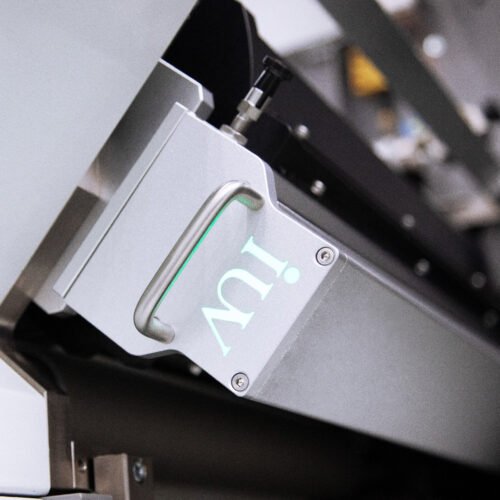
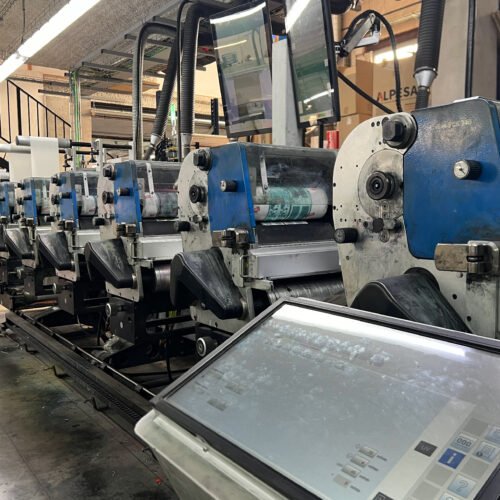
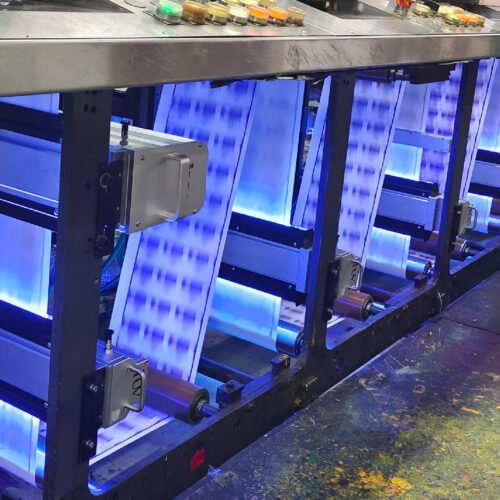
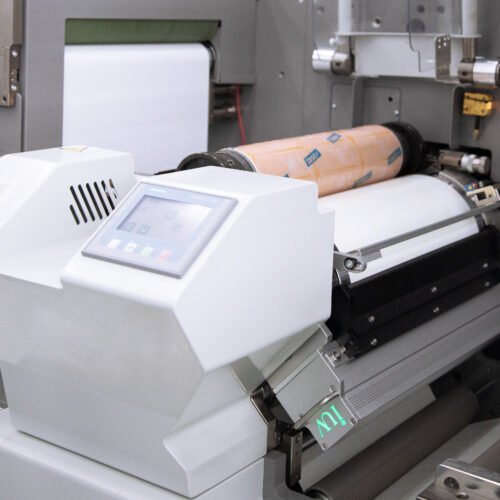
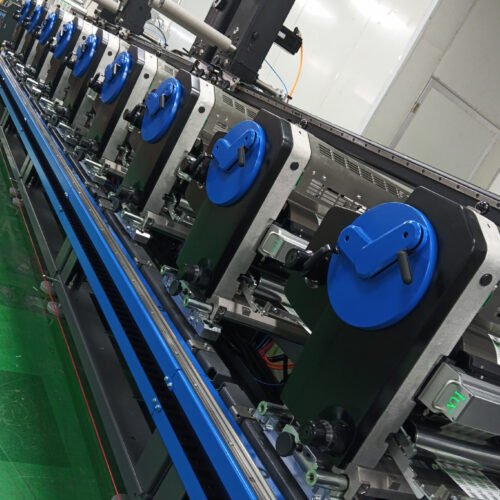
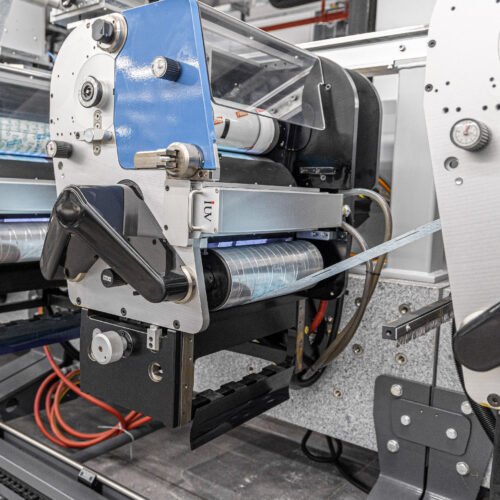
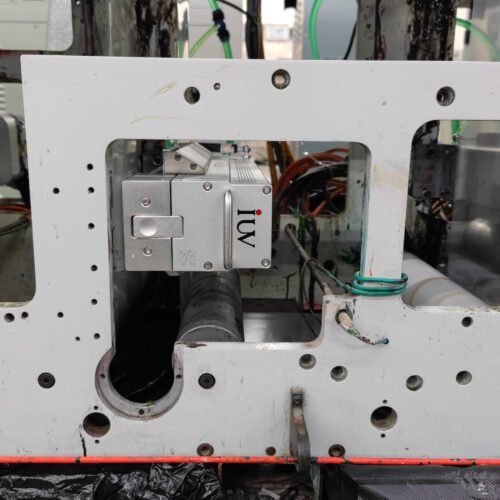
Flexography is a popular printing method for labels and flexible packaging. It uses flexible relief plates. LED curing is a perfect fit for flexo presses. The lower heat output from LEDs is ideal for thin film substrates commonly used in narrow web flexo. This prevents substrate shrinkage. It also maintains dimensional stability. The instant on/off capability of LEDs speeds up production. It is particularly beneficial for short runs and variable data printing. Many narrow web presses are now designed with integrated LED curing stations. This makes the transition seamless.
Offset Printing and LED Curing
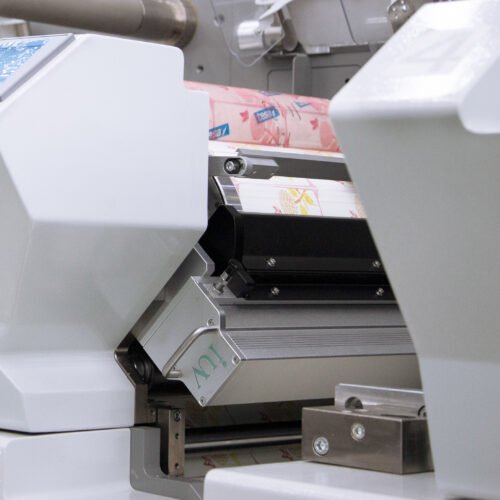
Offset printing, also known as lithography, is widely used for high-quality labels and commercial printing. Traditional offset often uses heatset or UV curing. LED curing offers a more sustainable alternative. It can be integrated into offset presses. This allows for instant drying of inks and coatings. This leads to faster turnaround times. It also enables immediate post-press finishing. The ability to print on a variety of substrates, including plastics and foils, is enhanced. This expands the creative possibilities for offset printers.
Label Printing’s Green Revolution
The label printing sector is particularly benefiting. Labels are often produced on narrow web presses. These presses are ideally suited for LED technology. Brand owners are increasingly demanding sustainable printing solutions. LED curing helps printers meet these demands. It reduces energy consumption, waste, and harmful emissions. This aligns with corporate social responsibility goals. It also appeals to environmentally conscious consumers. The vibrant colors and sharp details achievable with UV inks are maintained.
The Future is Bright with LED
LED curing systems are not just a trend; they are a fundamental shift. They offer a compelling combination of performance and sustainability. For label printing, flexography, offset printing, and narrow web applications, the benefits are clear. Energy savings, reduced waste, improved working conditions, and enhanced substrate compatibility all point to LED as the future. As the technology continues to evolve, its adoption will only accelerate. This will further solidify its role in creating a more eco-friendly printing industry. Embracing LED curing is a smart investment for any printing business looking to stay competitive and responsible. It’s about printing smarter, not harder, for a better tomorrow.