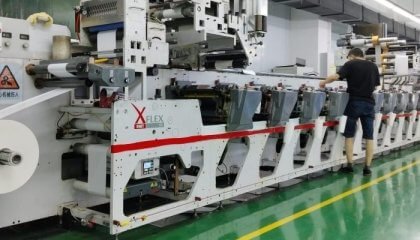
The packaging landscape is in constant motion. Brands demand vibrant, eye-catching designs. Consumers expect quality and sustainability. Printers face pressure for faster turnaround times and greater cost-efficiency. In this dynamic environment, narrow-web packaging printers are increasingly turning to high-speed UV flexo printing as a cornerstone of their future operations. This technology isn’t just an incremental improvement; it represents a significant leap forward, driven by the synergy of flexographic printing’s inherent advantages and the transformative power of UV curing.
Flexography: A Foundation Built for Speed
Flexographic printing, often simply called flexo, has long been a workhorse for narrow-web applications like labels and flexible packaging. Its fundamental design is inherently suited for high speeds. Flexo uses flexible relief plates mounted on rotating cylinders. Ink is transferred from an anilox roll to the plate, and then directly to the substrate. This direct transfer process, coupled with the ability to use relatively simple and robust machinery, allows flexo presses to achieve impressive speeds. Unlike offset printing, which relies on a flat plate and a series of intermediate rollers, flexo minimizes mechanical complexity. This simplicity directly translates into higher potential printing speeds and reduced downtime for maintenance and plate changes.
For narrow-web printing, where substrate widths are typically under 20 inches, flexo’s efficiency is even more pronounced. The smaller format allows for more compact press designs, further contributing to high-speed capabilities. The ability to print on a wide variety of substrates, from films and foils to papers and even some plastics, makes flexo a versatile choice for diverse packaging needs.
The UV Curing Revolution: Speed, Durability, and Sustainability
The real game-changer in modern flexo printing is the integration of UV (ultraviolet) curing technology. Traditionally, inks would dry through absorption into the substrate or through evaporation of solvents. Solvent-based inks, while offering good adhesion, pose environmental and health concerns due to volatile organic compounds (VOCs). Water-based inks have improved significantly but can sometimes struggle with fast drying times and substrate versatility.
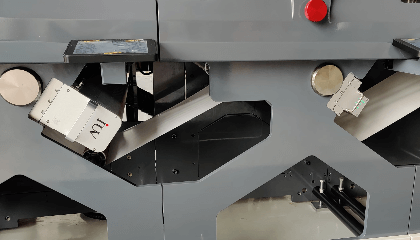
UV curing, however, offers a different paradigm. Instead of drying, UV inks and coatings undergo a photochemical reaction when exposed to specific wavelengths of ultraviolet light. This reaction causes the ink to instantly solidify, or “cure,” on the surface of the substrate. This instant curing is the critical enabler of high-speed printing. When the ink is instantly cured, it doesn’t need time to dry or evaporate. This means subsequent printing stations can immediately apply the next color without smudging or ink transfer issues.
LED UV: The Pinnacle of UV Curing
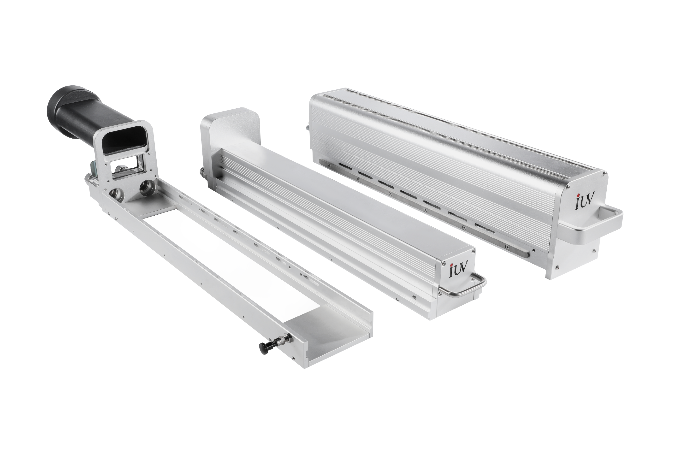
Within the realm of UV curing, Light Emitting Diode (LED) UV technology has emerged as the superior choice for high-speed flexo operations. Traditional mercury vapor UV lamps have been the standard for years, but they come with drawbacks. They generate significant heat, require a warm-up period, consume substantial energy, and have a limited lifespan. Their spectral output can also be inconsistent.
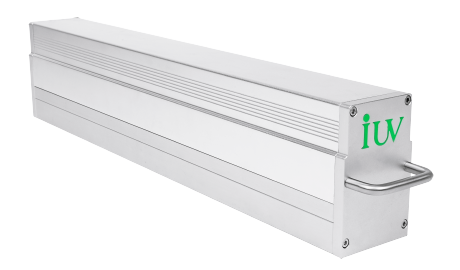
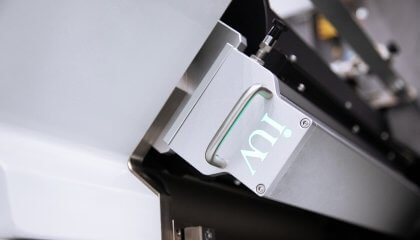
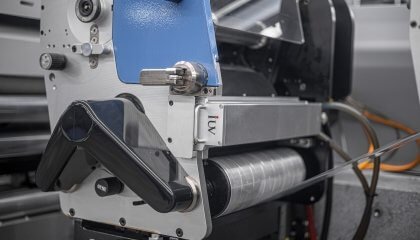
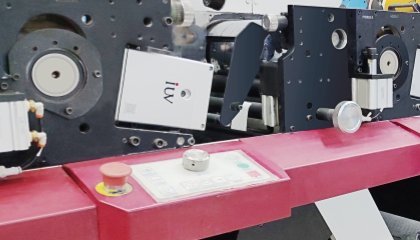
LED UV lamps, on the other hand, offer a host of advantages. They emit UV light at specific wavelengths, perfectly matched to the photoinitiators in UV inks and coatings. This precise wavelength control leads to highly efficient and consistent curing. Crucially, LED UV lamps produce very little heat, which is a significant benefit when printing on heat-sensitive substrates like thin films often used in flexible packaging. This reduced heat also means less energy consumption and a smaller environmental footprint. Furthermore, LED lamps have an exceptionally long operational life, require no warm-up time, and are instantly on/off, which is ideal for the stop-and-start nature of some printing processes. The consistent output of LED UV ensures reliable curing at the highest press speeds.
The Synergy: Why High-Speed UV Flexo is Dominant
The combination of flexography’s speed potential and LED UV curing’s instant solidification creates a powerful synergy for narrow-web packaging:
- Unmatched Speed: With instant curing, the limiting factor becomes the mechanical speed of the press and the substrate handling. High-speed UV flexo presses can now operate at speeds previously unimaginable, significantly boosting productivity and throughput. This means more labels and packaging produced in less time, directly impacting a printer’s bottom line.
- Exceptional Print Quality: UV inks are formulated to cure instantly and remain on the surface of the substrate. This results in sharp, well-defined dots, vibrant colors, and excellent ink laydown. The precise control offered by flexo, combined with the consistent curing of LED UV, allows for the reproduction of fine details and complex graphics, meeting the demanding aesthetic requirements of modern branding.
- Enhanced Durability: UV-cured inks and coatings are renowned for their toughness. They offer superior resistance to abrasion, scratching, chemicals, and fading. This enhanced durability is vital for packaging that must withstand the rigors of the supply chain, from filling and sealing to transportation and handling by consumers.
- Versatility Across Substrates: The low heat output of LED UV is a major advantage. It enables printers to efficiently cure inks and coatings on a wide range of substrates, including delicate films, foils, and even some synthetic papers, without causing distortion or damage. This broad substrate compatibility makes UV flexo an ideal solution for a vast array of packaging applications.
- Environmental Advantages: The shift away from solvent-based inks to UV inks eliminates VOC emissions, contributing to a healthier working environment and reducing a facility’s environmental impact. LED UV technology further amplifies these benefits through its lower energy consumption compared to traditional UV lamps. This aligns with the growing demand for sustainable packaging solutions.
- Reduced Waste and Faster Turnaround: The instant curing process minimizes the risk of smudging and ink transfer errors, leading to fewer rejected prints and less material waste. The ability to produce more in less time also translates to faster turnaround times, a critical competitive advantage in today’s fast-paced market.
Comparison with Other Technologies
While other printing methods exist for narrow-web, UV flexo often shines brightest. Offset printing, while capable of high quality, is generally slower and less adaptable to the diverse range of flexible substrates common in narrow-web applications. Digital printing offers excellent flexibility for short runs and variable data but can struggle to match the speed and cost-effectiveness of UV flexo for medium to long runs. Gravure printing is known for its speed and quality on long runs but involves significant setup costs and is less flexible for job changes. For printers balancing speed, quality, substrate versatility, and cost for the majority of their narrow-web production, high-speed UV flexo with LED curing presents a compelling and often superior solution.
The Future is Fast, Vibrant, and Cured
The evidence is clear: high-speed UV flexo printing, powered by advanced LED UV curing technology, is not merely a trend but the defining direction for narrow-web packaging. It addresses the core needs of modern printing businesses – speed, quality, durability, and sustainability. As brands continue to push the boundaries of packaging design and consumers demand more from their products, printers who embrace this technology will be best positioned to thrive, delivering exceptional results efficiently and responsibly. The future of narrow-web packaging is undeniably fast, vibrant, and expertly cured.