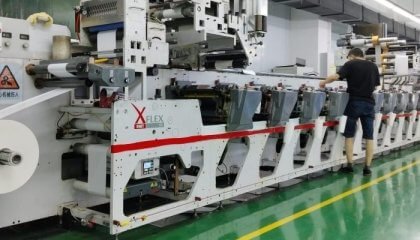
When we talk about low-migration inks, the primary concern is ensuring that no ink components transfer from the packaging to the food product. This is paramount for consumer safety and regulatory compliance. The printing technology used plays a significant role in how effectively these inks perform. Narrow web printing, commonly employed for labels and flexible packaging, presents unique challenges and opportunities for UV ink optimization.
Understanding UV Ink Components and Migration
UV-curable inks are formulated with monomers, oligomers, photoinitiators, and pigments. Upon exposure to UV light, the photoinitiators absorb energy and generate free radicals. These radicals initiate a rapid polymerization process, transforming the liquid ink into a solid, cross-linked film. The speed and completeness of this reaction are vital.
Migration occurs when unreacted components within the ink film diffuse through the packaging material or across its surface. This can be influenced by several factors: the type and molecular weight of monomers and oligomers, the efficiency of the photoinitiator system, and the degree of cure. Higher molecular weight components generally migrate less. Incomplete curing leaves more unreacted species available for migration.
Substrate Interaction: The Foundation of Performance
The choice of substrate is the first step in optimizing UV ink performance for low-migration applications. Different materials, such as various films (PET, BOPP, PE) and papers, have distinct surface energies and porosities. These properties affect ink adhesion, wettability, and penetration.
For low-migration, substrates with good surface energy are preferred. This ensures proper ink laydown and reduces the risk of ink defects like pinholes or poor adhesion, which can compromise the barrier properties of the ink layer. Pre-treatment, such as corona or plasma treatment, can enhance surface energy, leading to better ink anchorage and a more robust printed film.
Narrow Web Printing and UV Ink Dynamics
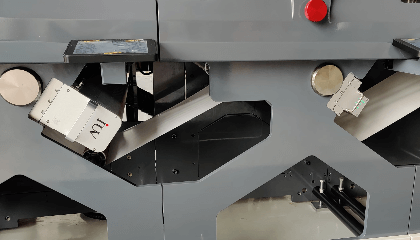
Narrow web presses, prevalent in label and flexible packaging production, offer precision and speed. For UV inks, the short web path and quick turnaround between print stations and the UV curing unit mean that ink rheology and curing speed are extremely important.
Ink viscosity must be precisely controlled. Too low, and it can lead to ink starvation or poor definition. Too high, and it can cause excessive dot gain or transfer issues, especially in fine-line applications. Flexographic printing, a mainstay in narrow web, relies on anilox rolls to deliver precise ink volumes. The interaction between the ink and the anilox cell geometry is critical for achieving consistent ink transfer.
Offset printing, also used in narrow web, requires inks with specific flow properties to manage ink transfer from the plate to the substrate. In both processes, the ability of the UV ink to transfer cleanly and cure rapidly is paramount.
LED UV Curing: Precision and Control
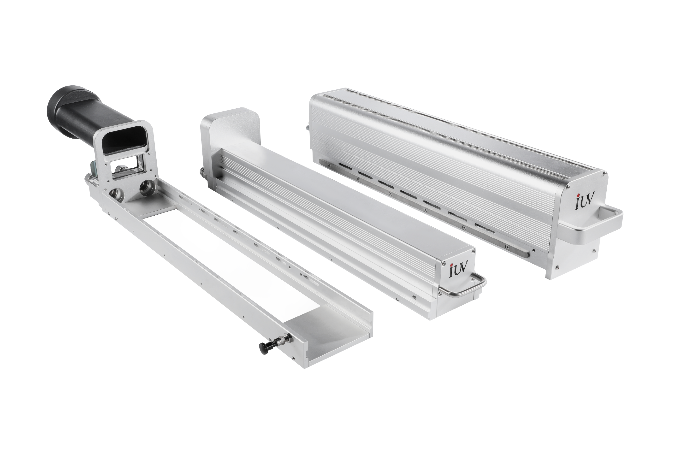
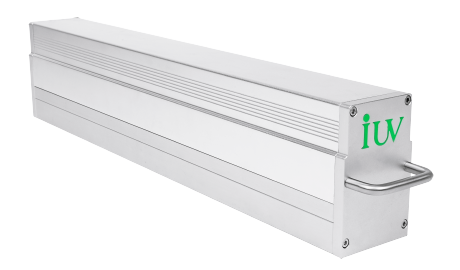
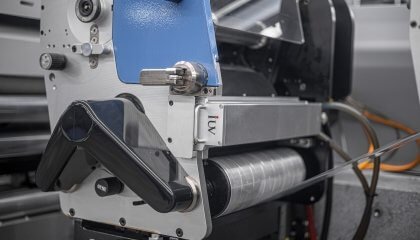
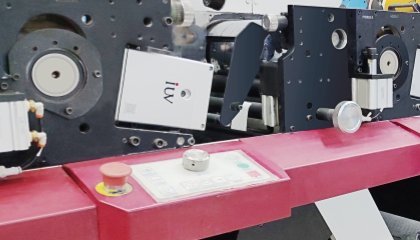
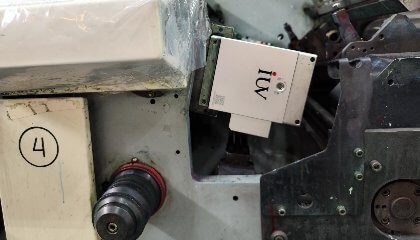
The shift towards LED UV curing has significantly impacted UV ink performance optimization. Unlike traditional mercury lamps, LEDs offer a more focused spectrum of UV light, often in specific wavelengths. This allows for tailored ink formulations designed to interact efficiently with particular LED outputs.
Optimizing LED UV curing involves understanding the irradiance (UV intensity) and the total energy delivered to the ink film. The wavelength of the LED must match the absorption spectrum of the photoinitiators in the ink. If there’s a mismatch, curing will be incomplete, increasing the risk of migration.
Irradiance determines the speed of the photoinitiation reaction. Higher irradiance can lead to faster curing. However, excessive irradiance can cause surface cure while leaving the ink’s interior under-cured, leading to migration issues. This phenomenon, known as “skinning,” must be avoided.
Total energy, a product of irradiance and exposure time, dictates the extent of polymerization. Ensuring sufficient total energy is delivered for thorough curing is essential for low-migration. Monitoring and controlling the UV output from the LED lamps is a continuous process. Regular checks using a radiometer are necessary to account for lamp degradation over time.
Ink Formulation for Low-Migration Success
The formulation of the UV ink itself is the cornerstone of low-migration performance. Printers must work with ink manufacturers who specialize in low-migration systems. These inks are developed with specific considerations:
- Low-Oligomer/Monomer Content: Using higher molecular weight oligomers and monomers reduces their propensity to migrate.
- Carefully Selected Photoinitiators: The choice of photoinitiator system is crucial. They must have strong absorption at the LED’s emitted wavelengths and be fully consumed during the curing process. Some photoinitiators themselves can be migratory.
- Pigment Dispersion: Uniform dispersion of pigments ensures consistent ink properties and aids in complete curing by minimizing light scattering.
- Additives: The types and amounts of additives (like slip agents or waxes) must be carefully chosen to avoid hindering cure or becoming migratory components.
Process Control: The Key to Consistency
Beyond formulation and curing, stringent process control is vital. This includes:
- Ink Temperature: Maintaining optimal ink temperature on the press can affect viscosity and transfer.
- Anilox Roll Selection (Flexo): The correct cell volume and engraving pattern ensure accurate ink transfer.
- Impression Rollers: Proper pressure management is key for good ink transfer without excessive dot gain.
- Doctor Blade Pressure (Flexo/Gravure): Consistent pressure ensures clean ink transfer and avoids ink pooling.
- Web Speed: This directly impacts the time available for curing.
Each of these elements must be managed to ensure the UV ink cures effectively and consistently across the entire print run. Deviations can lead to batch-to-batch variation and compromised migration performance.
Testing and Verification: Ensuring Safety
Even with meticulous optimization, rigorous testing is non-negotiable. Migration testing is performed according to regulatory standards. This involves simulating food contact conditions and analyzing for the presence of ink components.
Common testing methods include:
- Overall Migration (OM): Measures the total amount of all substances that migrate from the ink into a food simulant.
- Specific Migration (SM): Identifies and quantifies individual substances that migrate.
These tests confirm that the printed material meets the required low-migration specifications for its intended application. Collaboration with specialized testing laboratories is often part of the process.
In conclusion, optimizing UV ink performance for low-migration packaging and food labels is a multifaceted endeavor. It requires a holistic approach, integrating advanced ink technology, precise printing techniques, controlled LED UV curing, and diligent process management. By paying close attention to substrate interaction, ink formulation, curing parameters, and ongoing verification, printers can reliably produce safe, high-quality packaging that meets stringent industry demands.