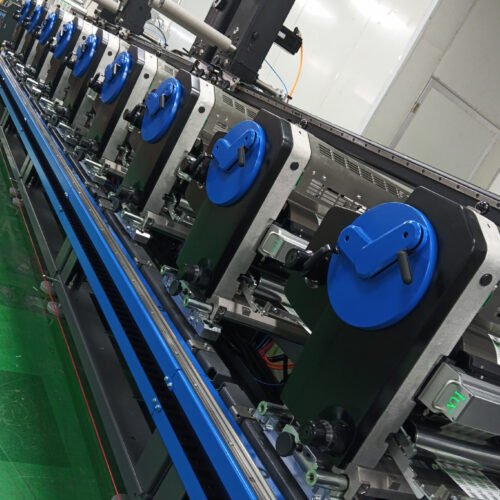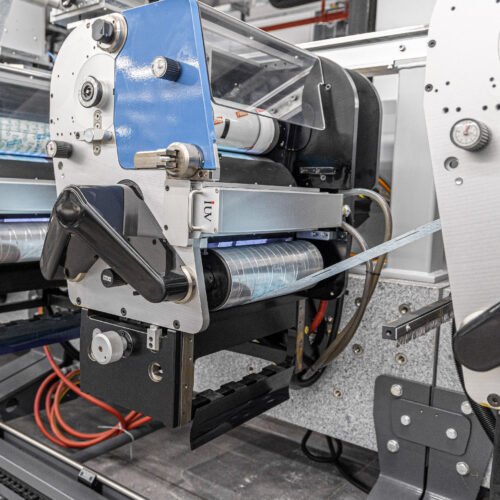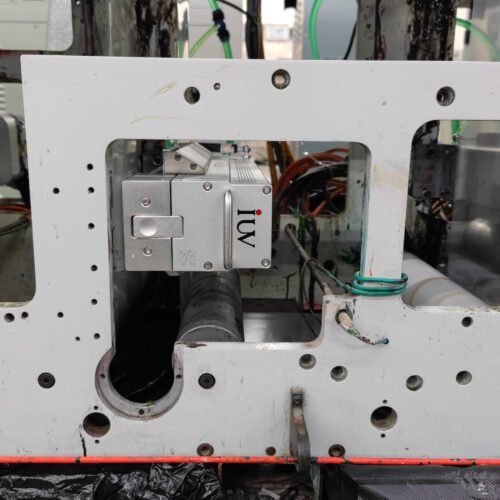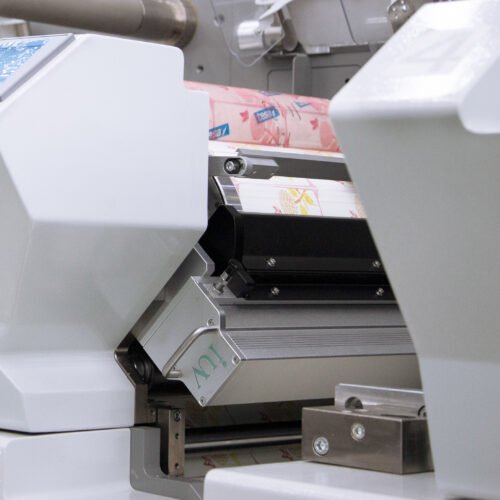
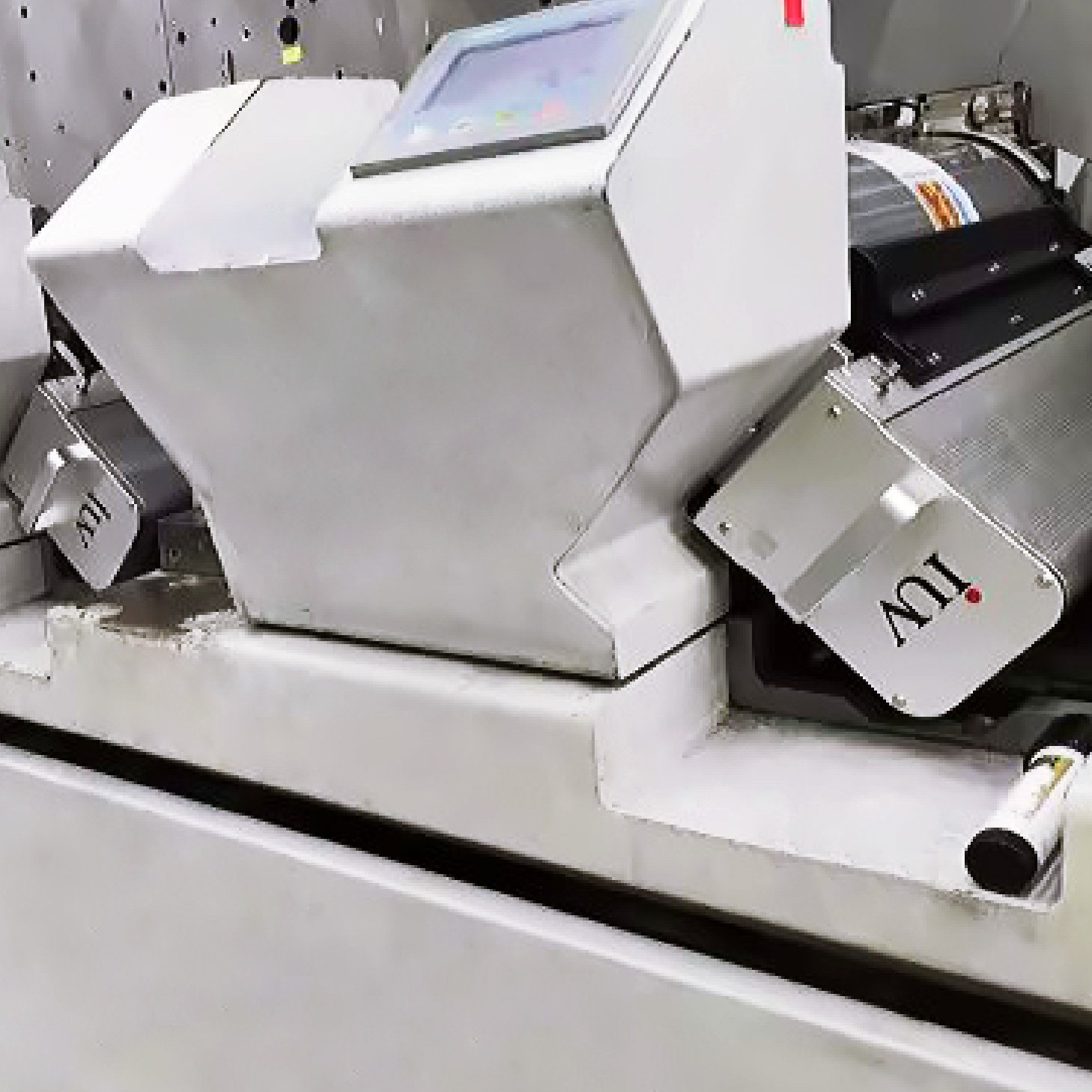
UV curing has revolutionized printing. It offers fast drying times. This boosts production speed significantly. Many printing methods now use UV technology. This includes digital and flexo printing. We’ll compare their UV curing benefits. This focus is on labels and narrow web applications.
Understanding UV Curing Technology
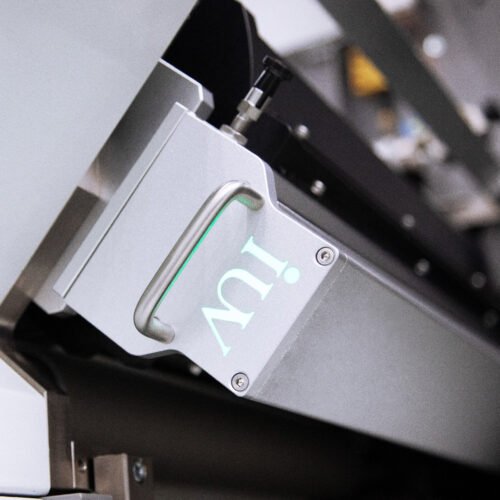
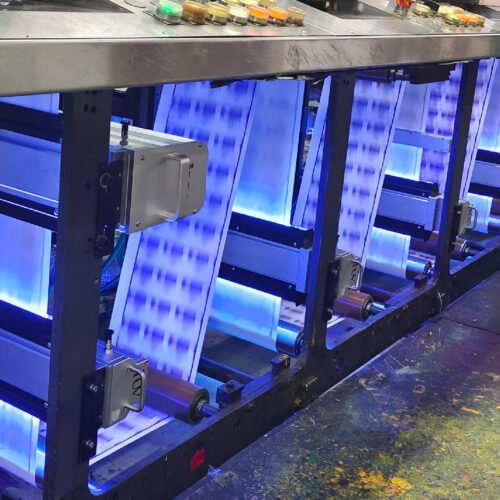
UV curing uses ultraviolet light. This light initiates a chemical reaction. It instantly hardens (cures) inks and coatings. Traditional drying methods can be slow. They often use heat or solvents. UV curing eliminates these issues. It requires specialized UV lamps. These can be mercury vapor or LED UV. LED UV is gaining popularity. It offers many advantages.
Benefits of UV Curing in Printing
Several key benefits make UV curing attractive. First, it offers instant drying. This means faster turnaround times. Presses can run at higher speeds. Second, UV inks and coatings are durable. They resist scratches and chemicals. This is vital for labels. Many labels face harsh environments. Third, UV systems are often more energy-efficient. This is especially true for LED UV. They consume less power. Fourth, they reduce VOC emissions. Volatile Organic Compounds are harmful. UV curing is an environmentally friendlier option.
Digital Printing and UV Curing
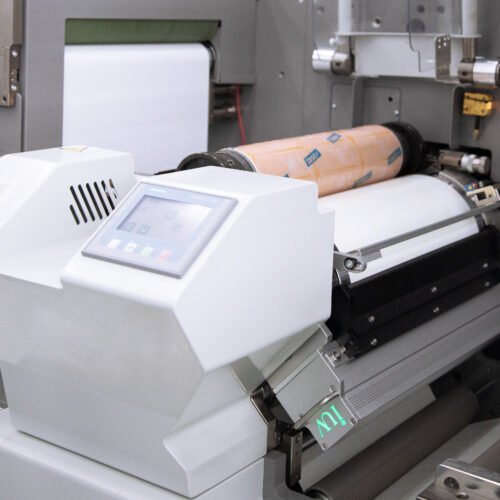
Digital printing offers flexibility. It’s ideal for short runs. It also handles variable data well. UV inkjet technology is common here. UV inkjet inks are applied directly. The UV lamps cure them immediately. This allows for printing on various substrates. This includes plastics, metals, and textured papers. The instant curing prevents ink spread. This results in sharp, vibrant images. For label printers, UV digital is a game-changer. It allows for on-demand production. It reduces waste significantly. Customization is also easier.
Flexographic Printing and UV Curing
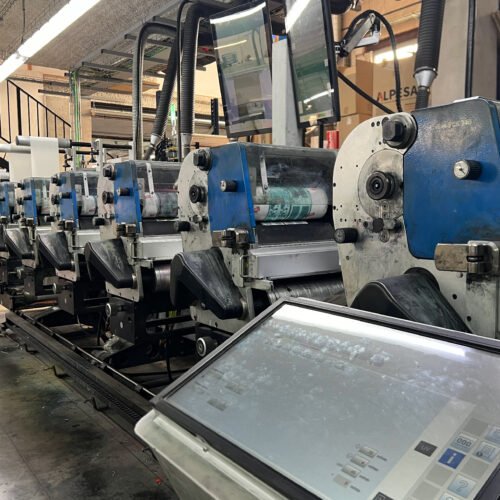
Flexography is a workhorse. It’s widely used for labels and packaging. UV curing integrates seamlessly. It complements flexo’s speed. UV flexo inks cure instantly. This prevents ink transfer between stations. It allows for multiple color stations. High-speed printing is achievable. Wobble dryers are a thing of the past. This saves space. It also reduces energy costs. UV coatings can be applied. They add gloss or matte finishes. They enhance durability. For narrow web flexo, UV is standard. It supports high-volume production. It maintains excellent print quality.
Comparing UV Curing in Digital vs. Flexo for Labels
Both digital and flexo benefit from UV curing. The choice often depends on the job.
- Speed: For very long runs, UV flexo often leads. It’s designed for high-volume efficiency. UV digital is fast but might be outpaced.
- Flexibility: UV digital excels here. It handles short runs and customization. Setup times are minimal.
- Substrates: Both can print on many materials. UV digital might offer broader compatibility initially. However, UV flexo has advanced considerably.
- Cost: Initial investment differs. UV digital presses can be expensive. UV flexo equipment is also an investment. Ink costs can vary. LED UV inks are becoming more competitive.
- Quality: Both deliver excellent quality with UV. Sharp details and vibrant colors are common.
The Rise of LED UV Technology
LED UV curing is transforming the market. It offers superior benefits over traditional mercury lamps.
- Energy Efficiency: LEDs use significantly less power. This lowers operational costs.
- Longer Lifespan: LED lamps last much longer. They don’t require frequent replacement.
- Instant On/Off: LEDs offer immediate full power. There’s no warm-up time needed. This reduces energy waste.
- Low Heat Emission: LEDs emit less heat. This is gentler on heat-sensitive substrates. It reduces warping.
- Consistent Output: LEDs provide stable UV output. This ensures consistent curing.
- Environmental Impact: Reduced energy use and no mercury content make LEDs greener.
For both digital and flexo printers, LED UV is a smart choice. It enhances performance and sustainability.
Specific Applications: Labels and Narrow Web
In the label and narrow web sector, UV curing is almost a necessity.
- Label Printing: Labels often need to be durable. They might be exposed to moisture, oils, or friction. UV inks and coatings provide this protection. Instant curing ensures sharp registration. This is crucial for small text and fine graphics. Whether it’s wine labels, cosmetic labels, or industrial labels, UV delivers.
- Narrow Web Printing: Presses in this category are built for speed and precision. UV curing allows them to achieve their full potential. It enables inline finishing processes. This includes varnishing and embossing. The instant cure prevents smudging. It maintains intricate details.
Choosing the Right UV System
When selecting a UV curing system, consider:
- Lamp Type: Mercury vs. LED UV. LED UV is generally preferred for its long-term advantages.
- Wavelength: Ensure the UV lamps match your ink and coating requirements. Different wavelengths cure different chemistries.
- Power Output: Sufficient power is needed for full cure. This depends on press speed and ink thickness.
- Integration: How well does the system fit your existing press?
- Substrate Compatibility: Can the system handle your typical materials?
Conclusion
UV curing is indispensable for modern printing. It enhances speed, durability, and quality. For label and narrow web applications, both digital and flexo printing benefit greatly. UV flexo excels in high-volume efficiency. UV digital offers unparalleled flexibility. The shift towards LED UV technology further amplifies these benefits. It provides a more sustainable and cost-effective solution. Printers embracing UV curing are well-positioned for success. They can meet demanding client needs. They can also adapt to market trends. This technology continues to drive innovation. It ensures vibrant, lasting prints.