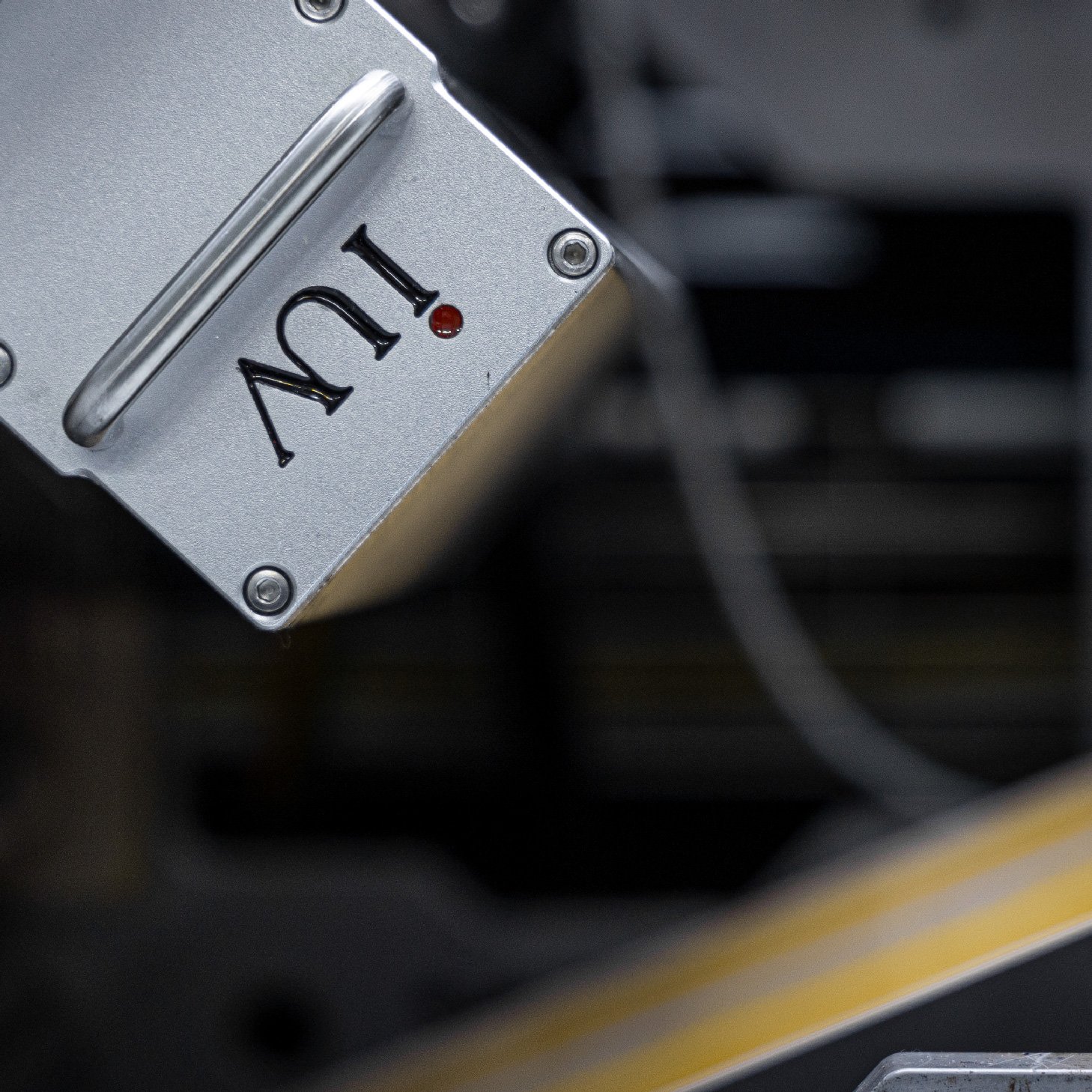
UV Curing Systems for Flexible Packaging: Enhancing Durability and Speed
The flexible packaging industry is in constant pursuit of innovation. Brands demand packaging that not only protects their products but also captivates consumers. Printers are tasked with delivering this with ever-increasing speed and efficiency. This is where advanced UV curing technology, particularly LED UV systems, shines. These systems are revolutionizing how we print on flexible materials, offering significant advantages in durability, speed, and environmental impact.
For narrow web printers, especially those focused on labels and flexible packaging, the transition to UV curing has been a game-changer. Traditional methods often involved heat or electron beam (EB) curing. Heat curing can be slow and can risk damaging heat-sensitive substrates. EB curing, while effective, requires substantial capital investment and extensive safety shielding. UV curing, on the other hand, presents a more accessible and versatile solution.
Let’s delve into the core benefits. Enhanced durability is paramount. UV-cured inks form a robust, cross-linked polymer layer upon exposure to UV light. This results in exceptional scratch resistance, rub resistance, and chemical resistance. For food packaging, this means inks that won’t degrade or leach, ensuring product safety and maintaining visual appeal throughout the supply chain. In a world where product presentation on the shelf is critical, packaging that looks pristine, even after handling, is a significant competitive edge.
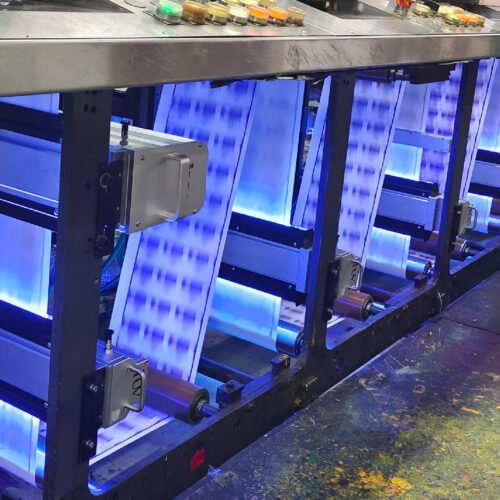
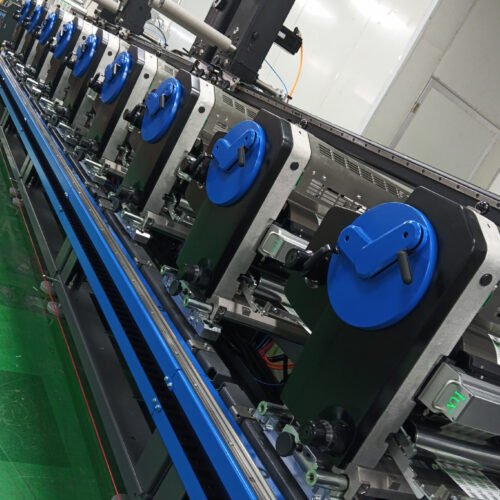
Speed is another critical factor. UV curing is an instantaneous process. As the ink passes under the UV lamps, it solidifies almost immediately. This allows printing presses to run at higher speeds without compromising ink adhesion or finish quality. For flexographic printing, this is particularly impactful. Flexo presses are known for their speed, and pairing them with UV curing maximizes this inherent advantage. Imagine significantly reducing production cycle times. This translates directly to lower operational costs and the ability to take on more orders, boosting profitability.
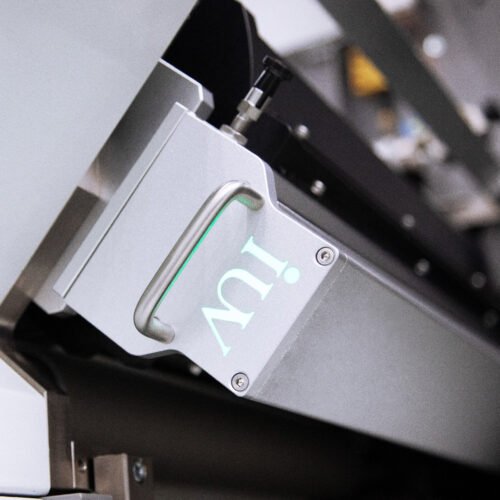
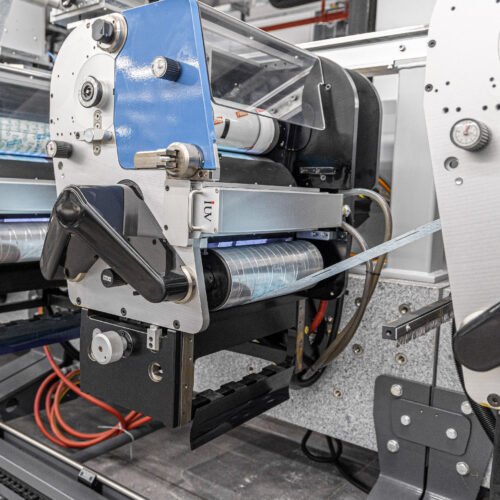
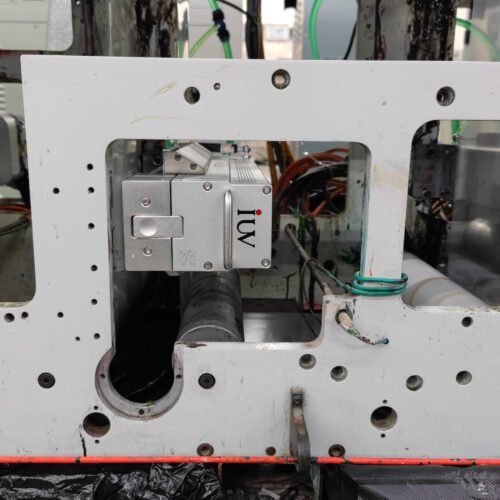
The evolution from mercury vapor lamps to LED UV curing has further amplified these benefits. LED UV systems offer a more energy-efficient solution. They consume less power than traditional mercury lamps, leading to substantial energy savings over time. Furthermore, LEDs have a much longer lifespan, reducing replacement costs and downtime. They also emit less heat, which is a crucial advantage when printing on thin, heat-sensitive flexible films. This means fewer production issues related to substrate distortion or material degradation.
The spectral output of LED UV lamps is also more precise. This allows for fine-tuning the curing process for specific ink formulations. Modern LED UV systems can be configured with specific wavelengths tailored to optimize the cure of particular UV inks, achieving superior performance and consistency. This level of control is invaluable for achieving repeatable, high-quality results across different print jobs.
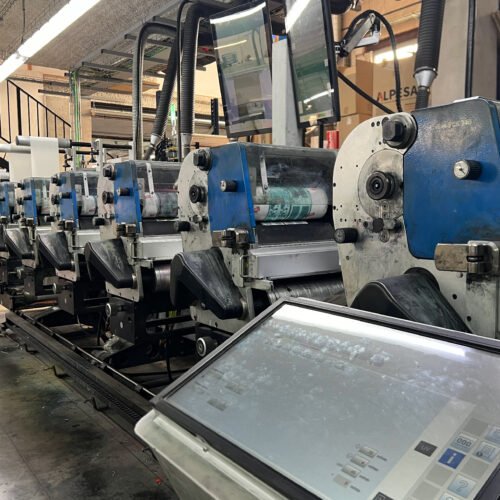
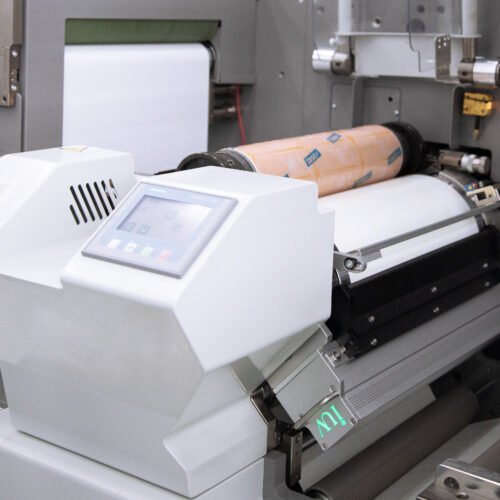
When considering flexographic printing for flexible packaging, the advantages are manifold. Flexo is ideal for printing on a wide range of substrates, including plastic films, foils, and coated papers. The ability of UV-cured inks to adhere well to these diverse surfaces, combined with the speed and durability offered by UV curing, makes flexo a powerhouse for flexible packaging production. Short print runs are also more economically viable with UV curing, as there’s no need for extensive ink drying times or complex setup procedures associated with solvent-based inks.
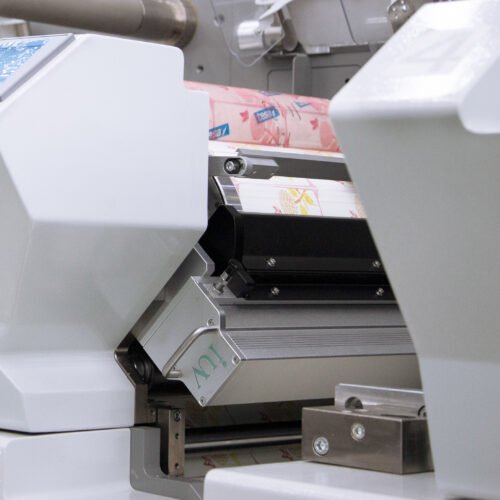
Even in sheetfed offset printing, though often associated with more rigid materials, UV curing finds its place in specialized flexible packaging applications. The enhanced gloss, vibrant color reproduction, and immediate handling capabilities that UV curing provides are highly desirable for premium flexible packaging.
The environmental aspect cannot be overlooked. UV-cured inks are typically 100% solids, meaning they contain no volatile organic compounds (VOCs). This is a significant advantage for printers looking to reduce their environmental footprint and comply with increasingly stringent environmental regulations. Solvent-based inks release VOCs into the atmosphere, which can have negative health and environmental consequences. UV curing offers a cleaner, more sustainable printing solution.
For narrow web printers, integrating UV curing systems means greater flexibility in substrate choices and finishing options. Overprint varnishes (OPVs) cured with UV light add another layer of protection and visual appeal. Special effect varnishes, like matte, soft-touch, or high-gloss finishes, are easily achievable with UV technology, allowing brands to differentiate their products effectively.
The initial investment in UV curing equipment might seem substantial, but the long-term savings in energy, consumables, reduced waste, and increased throughput quickly justify the expenditure. Furthermore, the reliability and consistency of modern UV curing systems, especially LED UV, minimize production disruptions. This translates to a more predictable and profitable operation.
In conclusion, for any printer involved in flexible packaging, especially within the narrow web sector utilizing flexographic printing, embracing UV curing technology is not just an option—it’s a strategic imperative. The combination of enhanced durability, accelerated production speeds, improved energy efficiency, and a reduced environmental impact positions UV curing, particularly LED UV, as the definitive technology for meeting the evolving demands of the packaging market. It’s about delivering superior quality, faster, and more sustainably.