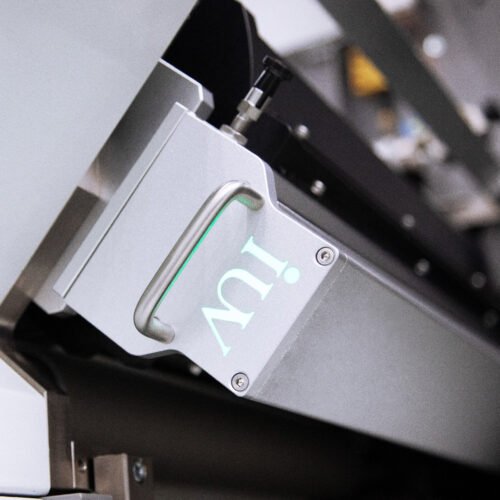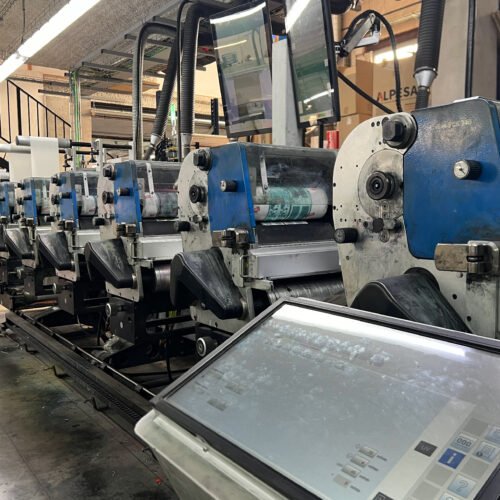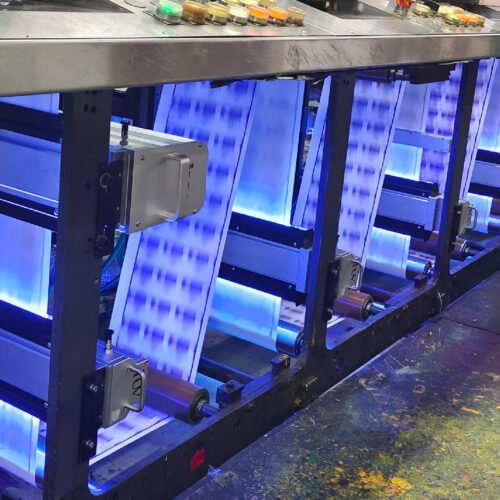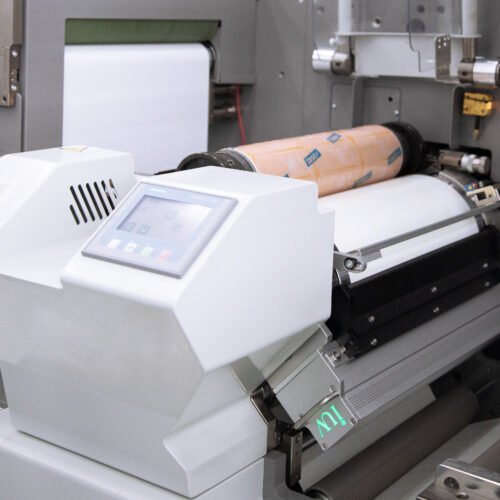
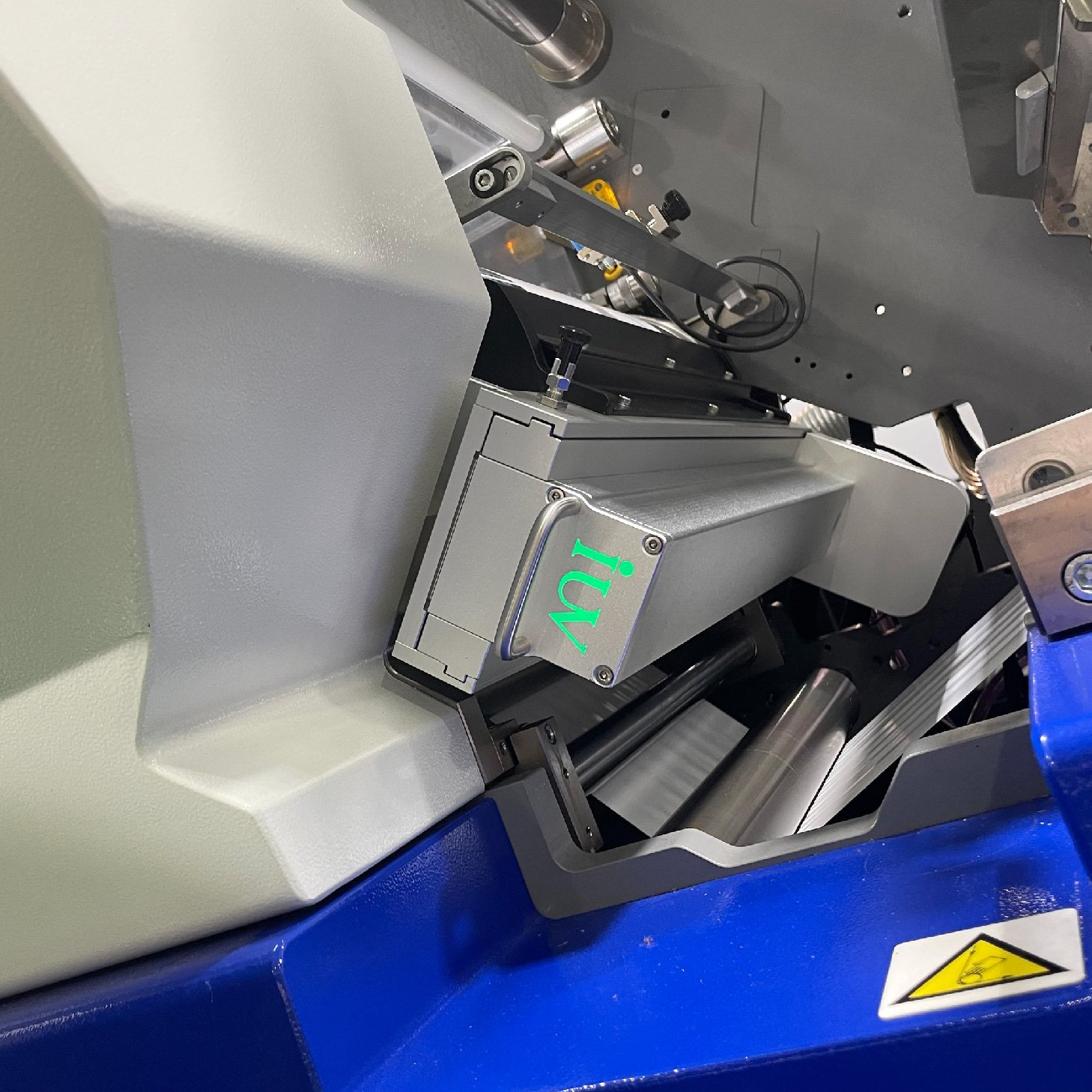
Flexible packaging demands advanced printing solutions. UV curing systems are at the forefront of this technology. They offer speed, efficiency, and superior print quality. This guide delves into UV curing for flexible packaging, covering key aspects for label printing, flexography, offset printing, and narrow web applications.
Understanding UV Curing Technology
UV curing, or ultraviolet curing, is a process that uses high-intensity ultraviolet light to instantly cure or dry inks, coatings, and adhesives. This is achieved through a photochemical reaction. Specific photoinitiators within the ink or coating absorb the UV light. This triggers a rapid polymerization process. The liquid ink solidifies almost instantaneously.
This technology is a game-changer for flexible packaging. It allows for faster production speeds. It also minimizes energy consumption compared to traditional thermal drying methods. The cured inks are highly durable. They resist scratching, abrasion, and chemical exposure, which is vital for packaging that undergoes significant handling.
The Advantages of UV Curing in Flexible Packaging
The benefits of UV curing for flexible packaging are numerous and significant. Firstly, the speed is unparalleled. Because the curing is instantaneous, presses can run at much higher speeds. This directly translates to increased productivity and reduced turnaround times for packaging orders.
Secondly, UV inks offer exceptional print quality. They provide vibrant colors and sharp details. This is crucial for brand differentiation on the shelf. The cured ink layer is also robust. It offers excellent adhesion to a wide range of flexible substrates. This includes films, foils, and laminates.
Environmental considerations are also a plus. UV curing systems emit very few volatile organic compounds (VOCs). This makes them a more environmentally friendly option compared to solvent-based inks. The energy efficiency is another key advantage. UV lamps consume less energy than large thermal drying ovens.
UV Curing in Label Printing
Label printing is a prime area where UV curing excels. Narrow web label presses heavily rely on this technology. Labels often require vibrant graphics and high durability. UV inks and coatings are perfect for this. They can achieve a high gloss finish or a matte effect, depending on the desired aesthetic.
For self-adhesive labels, UV curing ensures immediate handling. This means labels can be cut, rewound, or finished right after printing. There’s no waiting for inks to dry. This speeds up the entire label production workflow. Specialty labels, such as those requiring textured finishes or metallic effects, also benefit greatly from UV curing.
Flexography and UV Curing
Flexographic printing is a dominant force in flexible packaging. When paired with UV curing, flexo printing becomes incredibly versatile. UV flexo inks are formulated for excellent adhesion on various plastic films and foils. These are common substrates in flexible packaging.
The high speed of flexo presses is perfectly matched by the instant curing capabilities of UV systems. This allows for the printing of complex, multi-color designs with sharp registration. Brand owners appreciate the consistent, high-quality output that UV flexo delivers. It’s ideal for food packaging, pharmaceutical labels, and other demanding applications.
Offset Printing and UV Curing
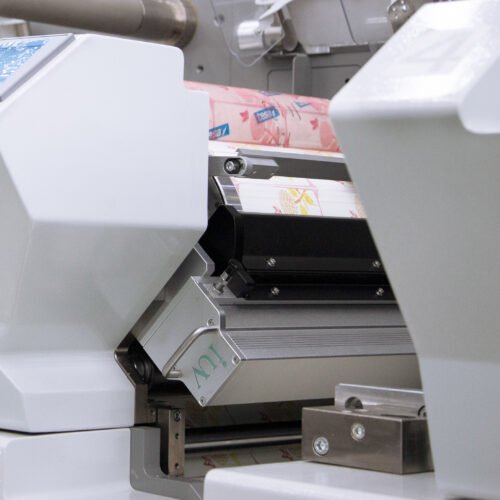
While flexography is more common for flexible packaging, offset printing also finds its place. UV offset printing offers superb print definition. It’s particularly suited for high-volume, high-quality packaging applications. UV offset inks provide excellent coverage and color consistency.
The ability of UV curing to handle a wide array of substrates is beneficial here too. Offset presses equipped with UV curing can print on challenging flexible materials that might not perform well with heat drying. This broadens the design and material options available to packaging converters.
Narrow Web Printing Innovations
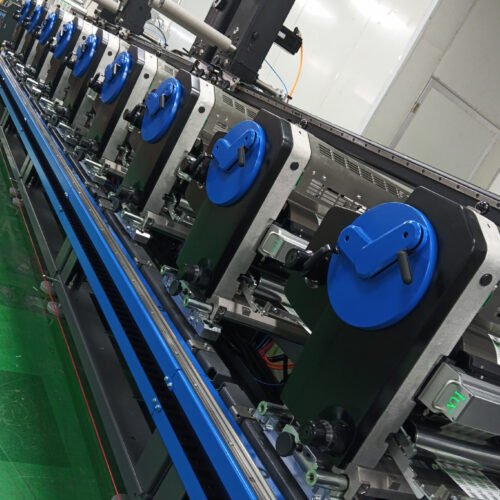
Narrow web printing, often associated with labels and flexible packaging, has been revolutionized by UV curing. These presses are designed for efficiency and precision. UV curing is an integral part of this design philosophy. It enables the production of sophisticated packaging structures on compact, high-speed machines.
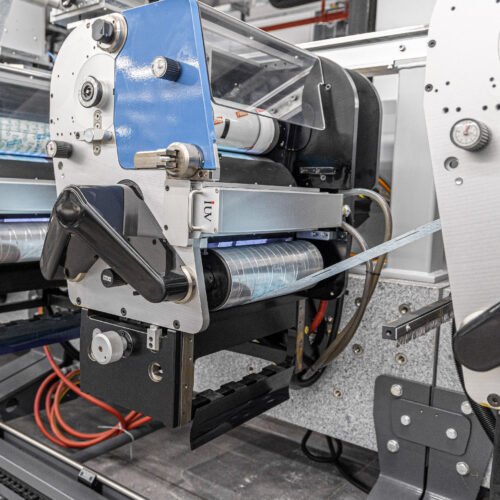
Modern narrow web presses often integrate multiple UV curing units. This allows for inline printing of multiple colors, overprint varnishes, and special effects. The precise control offered by UV systems ensures perfect registration and ink laydown, even at high speeds. This is critical for eye-catching packaging.
LED UV Curing: The Next Generation
While traditional mercury vapor UV lamps have been the standard, LED UV curing is rapidly gaining traction. LED systems offer significant advantages. They consume less energy. They have a much longer lifespan. They also emit less heat. This is a major benefit when printing on heat-sensitive flexible films.
LED UV curing provides a more consistent output of UV energy. This leads to more predictable and reliable curing. The spectral output of LEDs can be tailored. This allows for optimization with specific ink formulations. This results in faster cure speeds and enhanced ink performance. The reduced heat also minimizes the risk of substrate distortion.
Choosing the Right UV Curing System
Selecting the appropriate UV curing system depends on several factors. Consider the type of press you are using (flexo, offset, digital). Also, think about the substrates you will be printing on. The inks and coatings you plan to use are also crucial.
For flexible packaging, throughput speed is often a primary concern. Ensure the UV system can match your press speed. Substrate compatibility is another key consideration. Some flexible films are sensitive to heat. In such cases, LED UV curing is often the preferred choice.
Ink adhesion and durability requirements should also guide your decision. Ensure the chosen UV system adequately cures the inks to meet performance standards. Consulting with ink and equipment manufacturers is highly recommended. They can provide tailored advice for your specific needs.
The Future of UV Curing in Packaging
The trajectory for UV curing in flexible packaging is one of continued innovation and growth. As demand for faster, higher-quality, and more sustainable packaging solutions increases, UV technology will remain indispensable. The drive towards energy efficiency and reduced environmental impact further bolsters the appeal of UV curing.
Expect to see further advancements in LED UV technology. This includes new lamp configurations and more efficient power supplies. Ink formulations will continue to evolve, offering even greater performance and wider application ranges. The integration of UV curing into digital printing workflows for flexible packaging will also expand. This offers new possibilities for customization and short-run production.
The impact of UV curing on the flexible packaging industry is undeniable. It has enabled printers to achieve new levels of productivity and quality. As the technology matures, its role will only become more prominent. It’s a vital component for any converter looking to stay competitive in today’s demanding market.