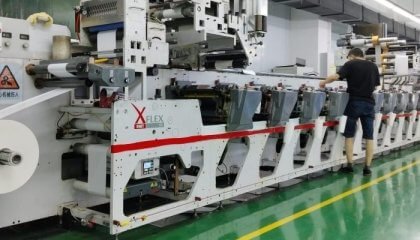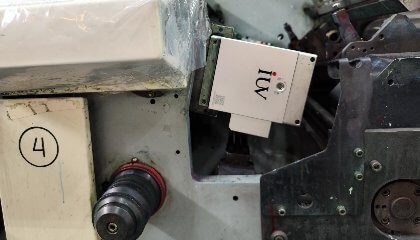
Optimizing your flexo press for the modern printing landscape often involves considering advancements in curing technology. The transition from traditional UV lamps to UV LED systems represents a significant leap forward. This upgrade offers a multitude of benefits, particularly for narrow-web printers focused on labels and flexible packaging. Understanding these advantages is key to making an informed decision about modernizing your equipment.
The Limitations of Traditional UV Curing
For years, mercury-vapor UV lamps have been the standard for UV curing in flexographic printing. While effective, they come with inherent drawbacks. These lamps generate substantial heat, which can affect sensitive substrates like thin films and some papers. This heat also increases energy consumption, leading to higher operational costs. Furthermore, traditional UV lamps have a finite lifespan and require frequent replacement, adding to both expense and downtime. Their energy output can also be inconsistent over their operational life, potentially impacting cure quality and adhesion.
Introducing UV LED Curing Technology
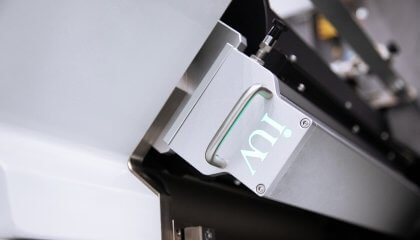
UV LED (Light Emitting Diode) curing technology utilizes solid-state semiconductor devices to emit ultraviolet light. Unlike mercury lamps, LEDs emit a very specific wavelength of UV light, which can be precisely matched to the requirements of UV-curable inks, coatings, and adhesives. This targeted emission is a fundamental advantage. The process is far more energy-efficient, converting a higher percentage of electricity into UV light with less wasted heat.
Core Benefits of UV LED Retrofits for Flexo Presses
Upgrading your existing flexo press with a UV LED retrofit solution brings several tangible advantages to your printing operation. These benefits directly address common challenges faced in narrow-web printing.
Enhanced Energy Efficiency and Cost Savings
One of the most immediate and impactful benefits of UV LED curing is its dramatic reduction in energy consumption. LED systems typically use 50-70% less energy compared to traditional mercury lamps. This translates directly into lower electricity bills. The longevity of LED arrays also significantly reduces replacement costs and the associated labor. Over the lifespan of the system, these savings can be substantial, improving your bottom line.
Superior Cure Quality and Consistency
UV LED technology offers a more uniform and controlled UV output. Because the wavelength is precisely controlled and the intensity is consistent, you achieve a more thorough and reliable cure for your inks and coatings. This consistency is vital for achieving high-quality printing results, especially for demanding applications like labels and packaging where color vibrancy and durability are paramount. The targeted wavelengths also mean less risk of unwanted reactions or substrate degradation.
Reduced Heat Transfer to Substrates
The lower heat output of UV LED systems is a game-changer for printers working with heat-sensitive materials. This includes thin plastic films, certain papers, and even some specialized packaging materials. By minimizing heat transfer, the risk of substrate deformation, warping, or shrinkage is greatly reduced. This allows for greater flexibility in material choices and helps maintain dimensional stability during the printing process, leading to better registration and overall print quality.
Increased Press Uptime and Productivity
Traditional UV lamps require warm-up periods and cool-down times. They also necessitate more frequent lamp changes. UV LED systems, on the other hand, offer instant on/off capabilities. This means you can start printing immediately without waiting for lamps to reach optimal temperature. The longer lifespan of LED arrays also drastically cuts down on the frequency of lamp replacements. Fewer interruptions for maintenance and lamp changes directly translate into increased press uptime and higher overall productivity.
Environmental Advantages
The energy efficiency of UV LED systems contributes to a smaller carbon footprint. Lower energy consumption means reduced reliance on power sources that may generate greenhouse gases. Additionally, the absence of mercury in LED lamps makes them a more environmentally friendly disposal option compared to mercury-vapor lamps, which require special handling and disposal procedures. This aligns with growing industry demands for sustainable printing practices.
Improved Working Environment
The reduced heat and elimination of ozone produced by traditional mercury lamps create a safer and more comfortable working environment for press operators. Lower ambient temperatures around the press can improve working conditions, especially in busy print shops. The absence of ozone also eliminates the need for extensive ventilation systems specifically designed to remove this byproduct, further simplifying installation and reducing auxiliary costs.
Versatility in Application
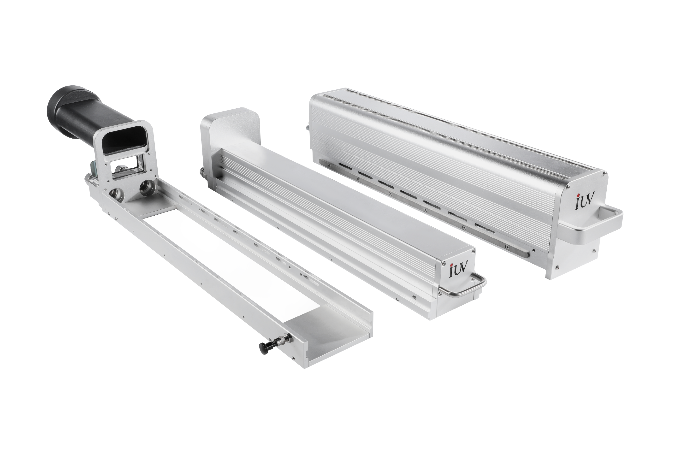
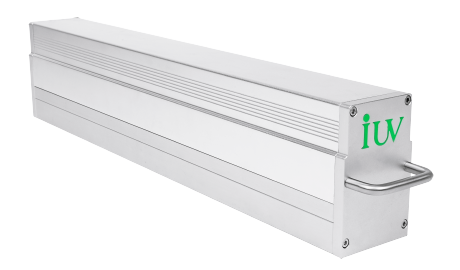
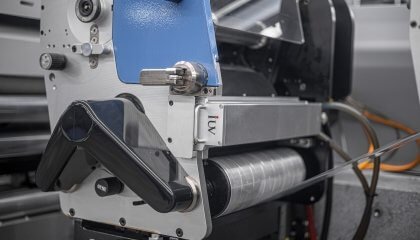
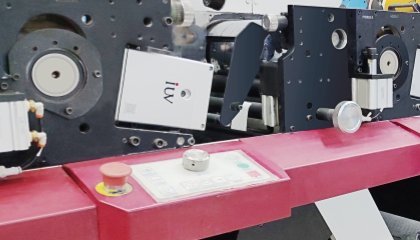
UV LED technology is highly adaptable. It can be integrated into virtually any narrow-web flexo press, regardless of its age. The compact nature of LED curing units often allows for easier installation and retrofitting, sometimes even in spaces where traditional curing systems might not fit. This versatility ensures that a wide range of existing presses can benefit from this modern curing technology.
Considerations for UV LED Retrofit Implementation
When considering a UV LED retrofit, it’s important to assess your specific printing needs.
Ink and Coating Compatibility
While UV LED technology is highly effective, it’s crucial to ensure your current inks and coatings are formulated for LED curing. Many manufacturers now offer LED-curable inks that provide excellent performance. If you have a large inventory of traditional UV inks, you may need to transition to newer formulations. However, the market for LED-compatible consumables is rapidly expanding.
Wavelength Selection
UV LED systems are available in various wavelength ranges, with 365nm, 395nm, and 405nm being common. The choice of wavelength depends on the specific photoinitiators used in your inks and coatings. Your ink supplier can provide guidance on the optimal LED wavelength for your chosen consumables. A well-matched system ensures maximum cure efficiency and adhesion.
Integration and Power Requirements
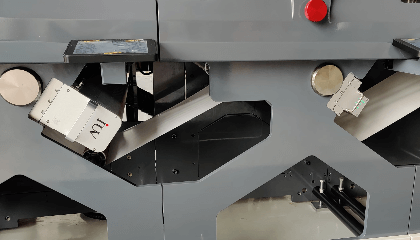
Retrofitting involves integrating the LED curing units into your existing press. This may require considerations for power supply, mounting, and cooling systems, though LED systems are generally less demanding in these areas. Reputable retrofit providers will assess your press and offer solutions tailored to your specific machine and plant infrastructure.
ROI and Cost-Benefit Analysis
While the initial investment for UV LED retrofits can be higher than for traditional UV systems, the long-term savings in energy, consumables, and maintenance, coupled with increased productivity, often result in a compelling return on investment (ROI). A thorough cost-benefit analysis, considering your current production volume and operational costs, will highlight the financial advantages.
The Future of Flexo Printing is LED Cured
The printing industry is constantly evolving, with a clear trend towards more efficient, sustainable, and high-performance solutions. UV LED curing technology is at the forefront of this evolution in UV curing. For narrow-web flexo printers, particularly those in the label and packaging sectors, embracing UV LED retrofits is not just an upgrade; it’s a strategic move to enhance competitiveness, improve quality, and reduce operational costs. By understanding the benefits and carefully planning the implementation, you can position your press and your business for continued success in the dynamic print market.