<!-- Meta Pixel Code --> <!-- 结束元像素代码 -->

Tutorial: Managing UV Curing in Hybrid Digital and Flexo Label Lines

Hybrid printing systems represent the pinnacle of modern label production. By combining the high-speed efficiency of flexography with the variable data capabilities of digital inkjet, converters achieve the best of both worlds. However, merging these two distinct technologies creates a complex curing environment. Success in hybrid narrow-web printing depends heavily on how you manage UV and LED curing across different stations.

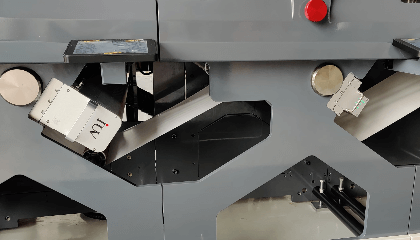
The Architecture of a Hybrid Label Press

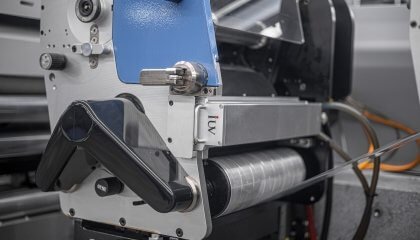
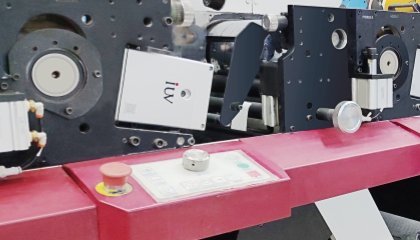
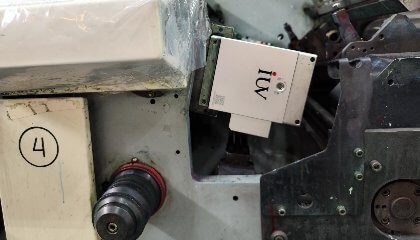
A typical hybrid line consists of several flexo stations, a digital inkjet engine, and finishing units like cold foil or laminating stations. Each section has unique curing requirements. Flexo stations often handle high-volume primers, opaque whites, or spot colors. The digital engine then deposits CMYK plus optional expanded gamut inks. Finally, a flexo station might apply a protective varnish.

Managing UV curing in this setup is not a “one size fits all” task. You are dealing with different ink chemistries, film weights, and curing speeds. If the UV system is not synchronized, you risk issues like poor ink adhesion, “inter-coat” trapping problems, or substrate warping from excessive heat.

Integrating LED UV Technology in Hybrid Lines

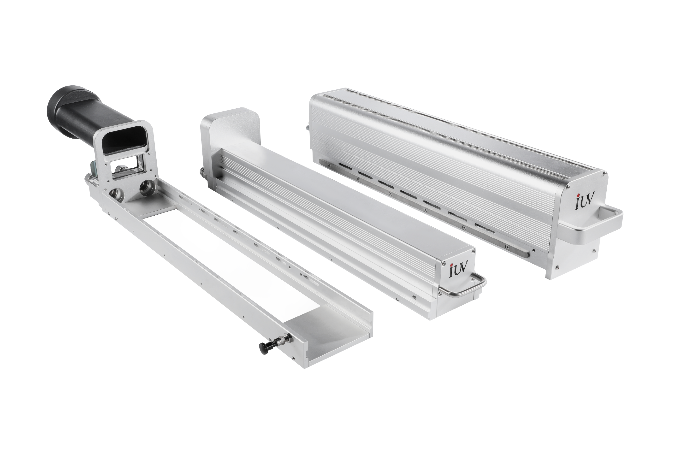
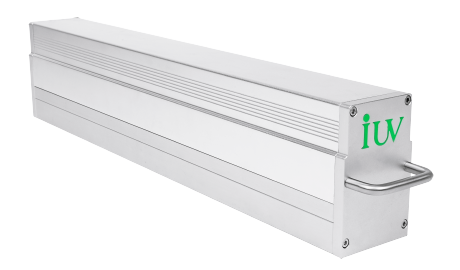
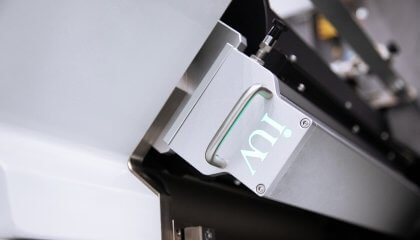
UV LED curing has revolutionized hybrid printing. Unlike traditional mercury arc lamps, LED systems emit a narrow wavelength, typically 395nm or 385nm. This monochromatic output is highly efficient for deep through-curing, which is essential for thick flexo whites and heavy digital ink deposits.

LED units provide several advantages for narrow-web converters:

  • Instant On/Off: No warm-up time means the curing system is ready the moment the digital engine starts.
  • Minimal Heat Transfer: This is vital for heat-sensitive films and thin labels.
  • Consistent Output: LED intensity stays stable over thousands of hours, unlike mercury bulbs that degrade quickly.

In a hybrid line, using LED for the digital engine and conventional UV for the final varnish is a common strategy. This “mixed” approach balances cost and performance.

Step 1: Optimizing the Digital Curing Zone

The digital inkjet section is the heart of the hybrid press. UV inkjet inks have a lower viscosity than flexo inks. They need to be “pinned” or “frozen” immediately after hitting the substrate to prevent dot gain and color bleed.

Pinning vs. Full Curing

Pinning uses a low-intensity UV LED lamp to partially cure the ink droplets. This increases the viscosity just enough to hold the dot shape. After the CMYK stations, a high-power LED or mercury lamp performs the final full cure. If you manage the pinning intensity correctly, you achieve sharper text and more vibrant colors. Too much pinning energy can lead to “inter-coat” adhesion issues where the next layer of ink fails to bond.

Managing Oxygen Inhibition

Digital inks are particularly sensitive to oxygen inhibition. Oxygen in the air can penetrate the thin ink film and terminate the polymerization process. This results in a tacky surface. To combat this, ensure your UV LED lamps are positioned at the correct focal height. High-peak irradiance is your best tool here. It floods the ink surface with enough photons to outpace the oxygen molecules.

Step 2: Flexo Priming and Opaque White Curing

Many hybrid jobs start with a flexo-printed primer or a heavy opaque white. These layers are much thicker than digital ink.

The Importance of Through-Curing

If the white base is not fully cured, the digital ink sitting on top will scratch off easily. This is a common point of failure. Because white ink reflects UV light, you need high-energy LED lamps or high-pressure mercury lamps with V-doped bulbs. These provide the longer wavelengths necessary to penetrate deep into the pigment-heavy layer.

Check the adhesion of your flexo white before the web enters the digital engine. A simple tape test or a dyne level check can save thousands of meters of wasted material.

Step 3: Managing Web Speed and Radiant Dose

In a hybrid environment, the “dose” (total energy) delivered to the substrate is a function of lamp power and web speed. If you slow the press down for a complex digital job, you must automatically dim the UV lamps.

Modern hybrid presses use “speed-following” technology. The UV control system receives a signal from the press drive. It adjusts the lamp output linearly. However, engineers must calibrate this carefully. Some inks do not respond linearly to power changes. You should establish a “curing window” for each substrate—a range of speeds and power settings where the ink is fully cured without damaging the film.

Step 4: Heat Management in Narrow-Web Printing

Narrow-web converters often work with PE, PP, and BOPP films. These materials are sensitive to the infrared (IR) heat generated by traditional mercury lamps. In a hybrid line, multiple UV stations can lead to cumulative heat buildup.

If the substrate gets too hot, it will stretch. This ruins the registration between the flexo stations and the digital engine. To prevent this:

  1. Use Chilled Rollers: Place water-cooled “chill rolls” under every UV station.
  2. Switch to LED: Since LED lamps emit almost no IR, they keep the web temperature low.
  3. Optimize Airflow: Ensure the exhaust system is removing heat from the lamp heads efficiently.

Step 5: Inter-station Compatibility and Adhesion

One of the biggest challenges in hybrid printing is the “chemical interface” between flexo and digital. Not all flexo varnishes or primers are compatible with all digital UV inks.

Surface Tension and Wetting

The surface energy of the cured flexo primer must be higher than the surface tension of the digital ink. If the primer is “over-cured,” it becomes too hard and slick. The digital ink will “bead up” or crawl.

To manage this, run the flexo UV lamps at the lowest power setting that still achieves a functional cure. This leaves some “open” chemical bonds on the surface, which the digital ink can then latch onto. This is often called “green curing.”

Maintenance Protocols for UV Systems

A hybrid line is a massive investment. Its performance is only as good as its weakest UV lamp.

  • Monitor UV Output: Don’t wait for the ink to stop curing. Use a radiometer weekly to measure the millijoules (mJ/cm²) and peak irradiance (W/cm²) of every lamp.
  • Clean the Optics: In a printing plant, dust and ink mist settle on the UV quartz plates or LED lenses. A 10% drop in transparency can result in a 30% drop in curing efficiency. Clean the windows daily with lint-free wipes and high-purity isopropyl alcohol.
  • Check Cooling Systems: If using water-cooled LEDs, monitor the flow rate and temperature of the chiller. Overheating will permanently degrade the LED chips.

Troubleshooting Common Curing Issues

When you encounter a curing failure in a hybrid line, follow this diagnostic path:

  1. Check the Web Speed: Is the press running faster than the lamp’s rated capacity for that specific ink?
  2. Verify the Ink/Varnish Match: Did the operator swap a digital-compatible varnish for a standard flexo varnish? Standard varnishes often lack the wetting agents needed for digital surfaces.
  3. Inspect the Lamp Age: Is the mercury bulb over its 1,000-hour limit? Is the LED array showing “dead zones” where individual diodes have failed?
  4. Substrate Variation: Has the film supplier changed the surface treatment? A lower dyne level on the incoming raw material can mimic a curing problem.

The Future: Integrating Smarter Controls

The next generation of hybrid lines will feature closed-loop curing control. Sensors will measure the degree of polymerization in real-time. If the system detects uncured monomers, it will automatically increase the UV power or slow the press.

Until then, the engineer’s role is to maintain the balance between chemistry and physics. You must understand how the radiant energy from your UV lamps interacts with the specific pigments and resins in your hybrid ink set.

By mastering these variables—pinning, dose, heat management, and surface energy—you ensure that your hybrid digital and flexo line delivers the quality and durability that modern brands demand. Consistency in UV curing is not just a technical requirement; it is the foundation of a profitable label converting business.

Contact IUV Curing Experts

滚动至顶部