<!-- Meta Pixel Code --> <!-- 结束元像素代码 -->

Troubleshooting LED UV Curing Problems in Narrow Web Flexographic Printing

Troubleshooting LED UV Curing Problems in Narrow Web Flexographic Printing

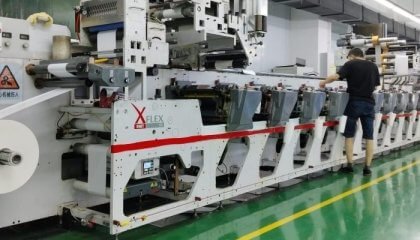
Narrow web flexographic printing has become a dominant force in the label and packaging industry. The demand for high-quality, durable prints, coupled with the need for efficient and environmentally friendly processes, has driven the adoption of LED UV curing technology. While LED UV offers significant advantages, printers can encounter challenges. Understanding and troubleshooting these issues is key to maintaining optimal production and print quality.

The Promise of LED UV Curing

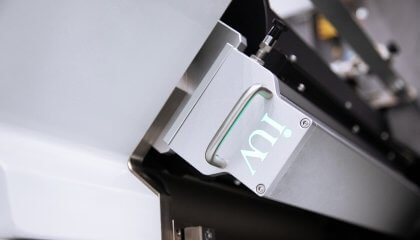
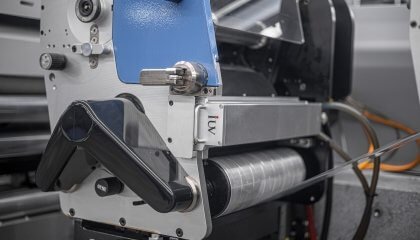
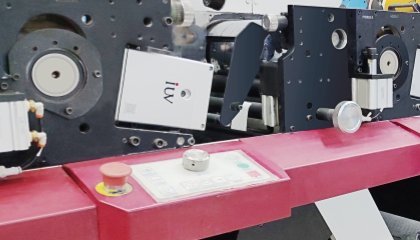
LED UV curing systems have revolutionized the printing world. They offer instant drying, enabling faster press speeds and immediate post-processing. Unlike traditional mercury lamps, LED UV systems are energy-efficient, generate less heat, and have a significantly longer lifespan. This translates to lower operating costs and a reduced environmental footprint. Furthermore, their spectral output is highly controllable, allowing for precise curing of specific UV-ink formulations. This precision is particularly valuable in narrow web applications where tight tolerances and consistent results are paramount.

Common Troubleshooting Scenarios in Narrow Web Flexo

Despite the benefits, printers may face hurdles when integrating or operating LED UV curing in their narrow web flexographic presses. Addressing these problems swiftly ensures minimal downtime and consistent output.

1. Insufficient Curing (Undercuring)

This is perhaps the most frequent issue encountered. Undercured ink can lead to smudging, scratching, and poor adhesion, rendering the printed product unacceptable.

  • Possible Causes:
    • Low UV Irradiance: The intensity of the UV light reaching the ink is too low. This can be due to the distance between the LED lamps and the substrate being too great, or the lamps themselves not operating at their peak output.
    • Incorrect Wavelength: The LED’s emission spectrum may not perfectly match the photoinitiators in the UV ink. Different inks are formulated for specific UV wavelengths.
    • High Press Speeds: The substrate is moving too quickly under the LED lamps, reducing the exposure time.
    • Ink Formulation Issues: The ink might be too thick, contain insufficient photoinitiators, or have expired.
    • Substrate Reflectivity: Certain substrates can reflect UV light, reducing the amount absorbed by the ink.
    • Contamination on Lamp Surface: Dust, ink residue, or other contaminants on the LED emitter surface can block or diffuse the UV light.
    • Lamp Degradation: Over time, LED emitters can degrade, leading to a reduction in their UV output.
  • Solutions:
    • Check Lamp Distance: Ensure the LED curing units are positioned at the manufacturer’s recommended distance from the substrate. Adjustments are often possible for precise control.
    • Verify Wavelength Compatibility: Confirm that the LED system’s spectral output aligns with the UV ink’s requirements. Consult both the ink supplier and the LED curing system manufacturer.
    • Reduce Press Speed: If possible, slow down the press to allow for adequate exposure time. Test at progressively lower speeds to find a balance between speed and cure.
    • Review Ink Specifications: Confirm the ink is within its shelf life and that it’s the correct formulation for LED UV curing. Consider viscosity adjustments if appropriate.
    • Optimize Substrate Handling: Ensure the substrate surface is clean and free from any coatings that might impede UV absorption.
    • Clean LED Emitters: Regularly clean the surfaces of the LED modules according to the manufacturer’s instructions. This usually involves a soft, lint-free cloth and a mild cleaning solution.
    • Monitor Lamp Performance: Implement a system for monitoring the UV output of the LED lamps. Many modern systems have built-in diagnostics. Consider lamp replacement based on usage hours or output readings.

2. Overcuring

While less common than undercuring, overcuring can also lead to print defects. This can manifest as brittle inks, yellowing of white inks or substrates, and even substrate degradation.

  • Possible Causes:
    • Excessive UV Exposure: The substrate is exposed to UV light for too long. This can happen if the press speed is too slow or if there are too many LED curing units in series for the specific ink.
    • High LED Power Output: The LED lamps are operating at an excessively high power level.
    • Excessive Heat: Although LED UV generates less heat than mercury lamps, prolonged exposure or proximity to heat-generating press components can still cause issues.
  • Solutions:
    • Increase Press Speed: Speed up the press to reduce the dwell time under the UV lamps.
    • Reduce LED Power: Decrease the power output of the LED curing units. Many systems allow for precise power adjustments.
    • Improve Ventilation: Ensure adequate ventilation around the press and curing units to dissipate any generated heat. Check the cooling systems of the LED units themselves.
    • Minimize Number of Lamps: If multiple LED units are used in sequence, experiment with disabling one or more if the ink is curing sufficiently with fewer.

3. Poor Adhesion

Adhesion issues can be catastrophic, leading to delamination of inks from the substrate. This is critical for functional labels and packaging where durability is essential.

  • Possible Causes:
    • Insufficient Curing: As discussed above, undercured ink will not bond properly.
    • Surface Contamination: Oils, release agents, or other residues on the substrate surface can prevent ink adhesion.
    • Incorrect Ink/Substrate Combination: Not all inks are compatible with all substrates, especially those with low surface energy.
    • Poor Substrate Preparation: Inadequate surface treatment (e.g., corona treatment) can lead to adhesion problems.
  • Solutions:
    • Ensure Complete Cure: Follow the troubleshooting steps for insufficient curing to guarantee the ink is fully cured.
    • Clean Substrate Surface: Implement rigorous cleaning protocols for incoming substrate rolls. Ensure the web path is clean.
    • Verify Ink-Substrate Compatibility: Consult with ink and substrate manufacturers to ensure you are using compatible materials. Test new combinations thoroughly.
    • Check Surface Treatment: If corona or plasma treatment is used, ensure the equipment is functioning correctly and set to the appropriate power level for the substrate.

4. Mottling or Uneven Curing

This defect appears as patchy or uneven gloss, or areas that seem less cured than others.

  • Possible Causes:
    • Uneven UV Light Distribution: The LED array might not be emitting light uniformly across the web width. This can be due to internal LED issues or obstructions.
    • Ink Transfer Variations: Inconsistent ink laydown from the flexo plates or anilox rolls can lead to variations in ink film thickness, affecting curing.
    • Static Electricity: Static charges can cause ink to lift or spread unevenly, leading to curing inconsistencies.
    • Substrate Surface Irregularities: A textured or uneven substrate surface can affect how UV light interacts with the ink.
  • Solutions:
    • Inspect LED Array: Check for any foreign objects or damage to the LED emitters that might be causing shadowing or uneven output.
    • Optimize Ink Transfer: Ensure anilox rolls are clean and the correct cell volume is used. Verify plate mounting and impression settings are consistent.
    • Control Static: Implement static elimination equipment (e.g., static bars) in the press path, particularly before and after the printing stations and before the UV curing units.
    • Consider Substrate Properties: If using textured substrates, ensure the ink and curing process are adapted to account for the surface variations.

5. Yellowing or Discoloration

Certain UV inks, especially whites and transparent varnishes, can yellow over time or during the curing process, particularly with excessive heat or the wrong UV spectrum.

  • Possible Causes:
    • Overexposure to Heat: Excessive heat can cause photo-degradation of ink components.
    • Incorrect UV Spectrum: Some photoinitiators, when exposed to certain UV wavelengths, can contribute to yellowing.
    • Ink Formulation: The ink itself may have a tendency to yellow under certain conditions.
    • Contamination: Chemical contamination on the substrate or in the ink can cause discoloration.
  • Solutions:
    • Manage Heat: Ensure proper cooling and ventilation. Reduce press speed or LED power if heat is suspected.
    • Use Appropriate LED Spectrum: Employ LED UV lamps specifically designed for inks that are prone to yellowing, often with lower UVA output or specific narrow bands.
    • Select High-Quality Inks: Opt for inks known for their color stability and resistance to yellowing.
    • Maintain Cleanliness: Ensure all components in contact with the ink and substrate are scrupulously clean.

Proactive Measures for LED UV Success

Beyond reactive troubleshooting, a proactive approach is crucial for seamless LED UV curing operations in narrow web flexographic printing.

  • Invest in Quality Equipment: Choose reputable LED UV curing system manufacturers known for their reliability and performance.
  • Partner with Ink and Substrate Suppliers: Maintain close communication with your suppliers to ensure you are using compatible, high-performance materials optimized for LED UV technology.
  • Comprehensive Operator Training: Ensure your press operators are thoroughly trained on the operation, maintenance, and troubleshooting of both the flexographic press and the LED UV curing systems.
  • Regular Maintenance Schedule: Implement a strict preventive maintenance schedule for all press and curing equipment, including regular cleaning and performance checks.
  • Utilize Measurement Tools: Employ UV radiometers and colorimeters to objectively measure UV output and color consistency. This data is invaluable for process control and troubleshooting.
  • Test and Validate: Before launching a new job or changing materials, conduct thorough test runs to validate cure, adhesion, and print quality.

Conclusion

LED UV curing is a powerful technology that enhances efficiency and quality in narrow web flexographic printing. By understanding the potential troubleshooting scenarios and implementing proactive measures, printers can overcome challenges, optimize their processes, and consistently deliver high-quality printed products. A deep knowledge of flexographic printing, UV chemistry, and LED technology, combined with diligent process control, is the foundation for success.

Contact IUV Curing Experts

滚动至顶部