Troubleshooting LED Curing Systems: Common Issues and How to Fix Them
In modern label and flexible packaging printing, LED UV curing systems are a game-changer. They offer faster drying times, lower energy consumption, and improved print quality compared to traditional mercury lamps. However, like any sophisticated technology, LED curing systems can encounter issues. Understanding these common problems and their solutions is key to maintaining smooth operations and delivering high-quality prints.
One frequent challenge is uneven curing. This often manifests as areas of the print that are not fully hardened, leading to smudging or poor adhesion. A primary cause can be inconsistent UV output from the LED lamps. Over time, individual LED diodes can degrade, or the entire lamp unit might not be performing at its peak.
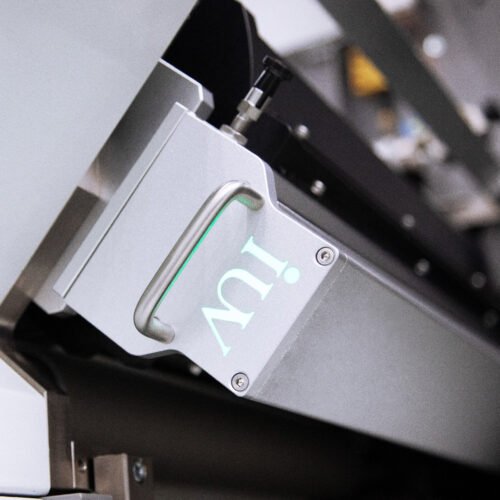
To fix uneven curing, start with a visual inspection of the lamps. Look for any visible damage or discoloration on the LED modules. If you suspect degraded output, a radiometer is your best friend. This tool measures the UV irradiance, allowing you to identify lamps that are underperforming. Replacing faulty or aging LED modules is often the most direct solution.
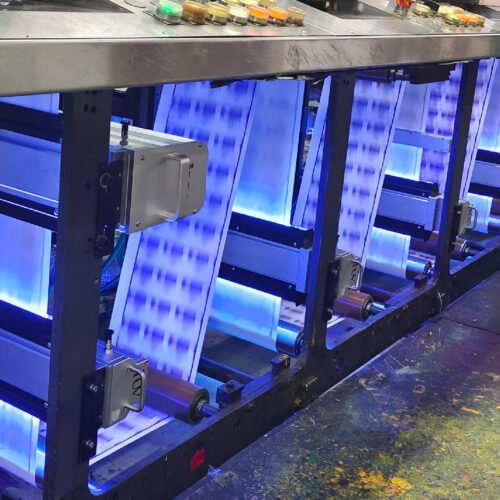
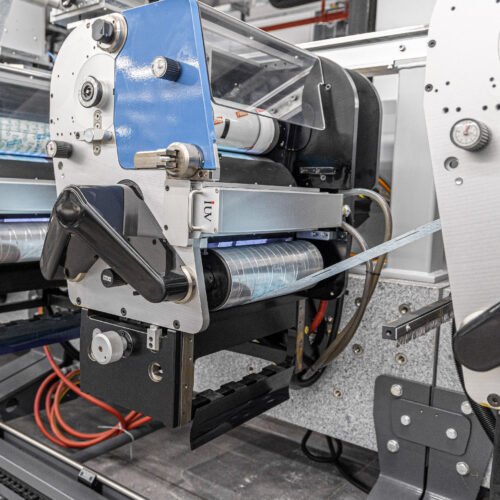
Another critical factor is the distance between the lamps and the substrate. If the LED heads are too far from the printed surface, the UV energy delivered will be insufficient for proper curing. Conversely, if they are too close, it can cause overheating of the substrate or ink. Ensure the specified gap is maintained. This often involves adjusting the press or the curing unit itself. Regularly check and calibrate these settings according to the equipment manufacturer’s recommendations.
Ink or coating formulation also plays a significant role. Not all UV-curable inks and coatings are created equal. Some formulations require a specific wavelength or intensity of UV light for optimal curing. If you’ve recently switched ink suppliers or types, ensure the new product is compatible with your LED curing system’s output spectrum. Consult the ink manufacturer’s technical data sheet. They will specify the required UV dose (energy) and intensity (power).
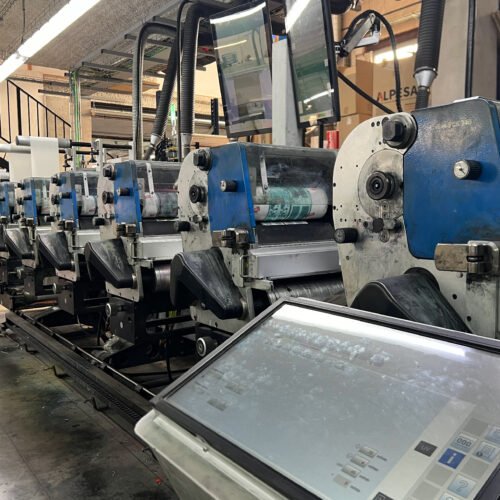
Sometimes, even with perfectly functioning lamps, you might experience poor curing. This can be due to insufficient exposure time. In a printing press, this is directly related to the line speed. If the press is running too fast, the substrate doesn’t spend enough time under the UV lamps to cure completely. The solution here involves reducing the press speed or increasing the number of LED lamps in the curing line. For flexographic and offset printing on narrow web presses, precise speed control is paramount.
Let’s talk about heat. While LED curing systems generate less heat than traditional mercury lamps, they can still cause issues if not managed properly. Overheating can degrade the ink, causing it to yellow or become brittle, and can also damage sensitive substrates. Ensuring adequate ventilation around the curing unit is essential. Some systems have integrated cooling mechanisms. Make sure these are clean and functioning. Dust and debris can impede airflow, leading to heat buildup.
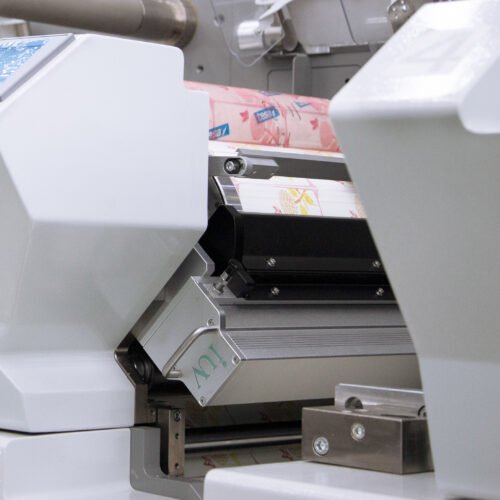
Dust and debris are, in fact, a common nemesis for any printing equipment, including LED curing systems. Contamination on the lamp covers or within the LED modules can block UV light, reducing its effectiveness. Regular cleaning of the lamp housing and protective covers with a lint-free cloth and an appropriate cleaning solution is a simple but vital maintenance task. For specific cleaning recommendations, always refer to your equipment manual.
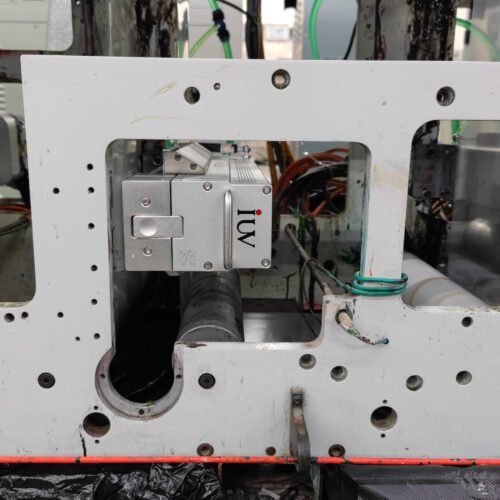
Another troubleshooting area is connection issues. LED curing systems rely on electrical connections to power the lamps and control their output. Loose or damaged wiring can lead to intermittent power supply or complete failure of a lamp. Perform routine checks of all electrical connections, ensuring they are secure and free from corrosion. If you’re not comfortable with electrical work, it’s always best to call a qualified technician.
Sometimes, the issue might not be with the curing system itself, but with the ink or coating application. If the ink layer is too thick, it can prevent UV light from penetrating to the lower layers, resulting in under-curing. Similarly, if the ink is applied unevenly, the curing will also be uneven. Ensure your anilox rolls (for flexo) or ink transfer systems are clean and providing a consistent ink film. For offset printing, proper ink fountain settings and roller settings are key.
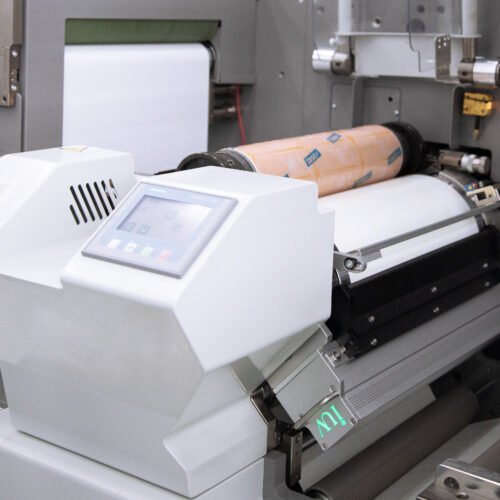
For label printing applications, especially on narrow web presses, consistency is everything. Any disruption in the curing process can lead to rejected jobs and wasted materials. That’s why a proactive approach to maintenance is so important. Regularly scheduled checks of your LED curing system, alongside your printing press, will help prevent many of these common issues from arising in the first place.
Consider the spectral output of your LED lamps. Different inks and coatings are formulated to cure efficiently at specific UV wavelengths. Most LED curing systems operate within the UVA range, typically between 365 nm and 405 nm. If your ink requires a specific wavelength within this range, ensure your LED system is emitting at that peak. Mismatched wavelengths can lead to inefficient curing, even if the irradiance seems adequate.
Finally, always maintain good communication with your ink and equipment suppliers. They are invaluable resources when troubleshooting complex problems. They can offer specific advice based on their products and your equipment. Don’t hesitate to reach out to them with your questions. By understanding these common troubleshooting steps, you can keep your LED UV curing systems running optimally, ensuring consistent quality and minimizing downtime in your printing operations.