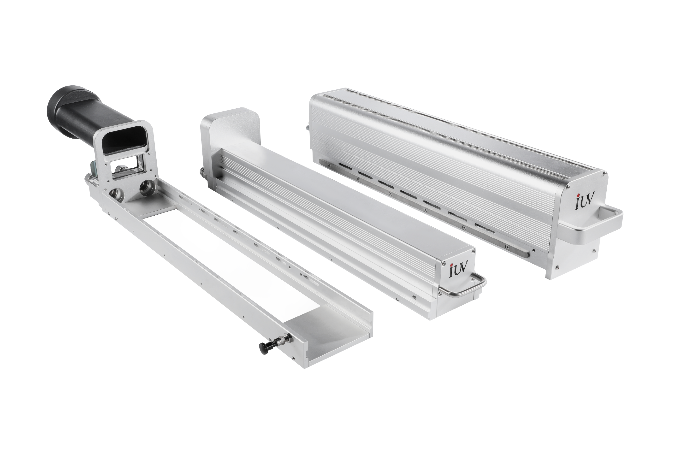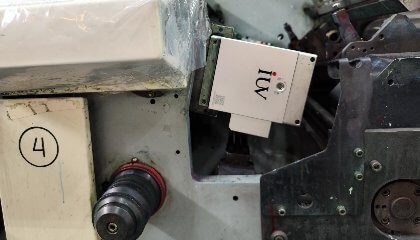
The printing industry is constantly evolving, and advancements in curing technology play a significant role in this progress. Among these, LED UV curing has emerged as a transformative force, particularly in its impact on varnish and coating finishes. This technology offers a unique set of benefits that are reshaping how printers approach everything from label production to high-end packaging.
Understanding UV Curing: The Foundation
Before diving into the specifics of LED UV, it’s helpful to understand traditional UV curing. This process uses ultraviolet light to instantly cure inks, coatings, and adhesives. When UV light strikes a photoinitiator within the formulation, it triggers a rapid chemical reaction, transforming the liquid into a solid, durable film. Traditional UV curing typically employs mercury vapor lamps.
The Rise of LED UV Curing
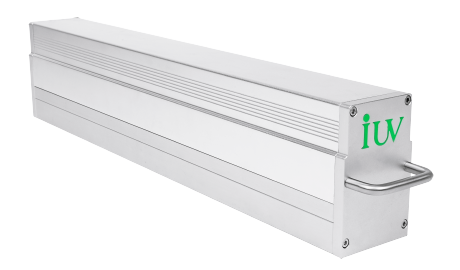
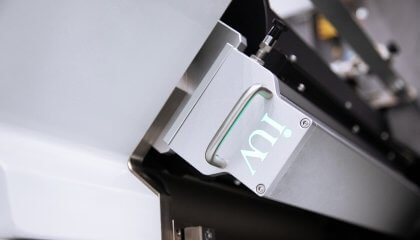
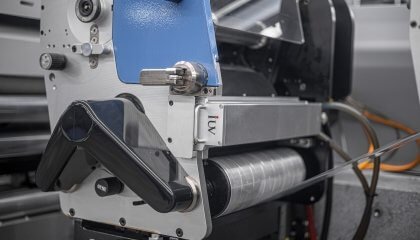
LED UV curing represents a more advanced and efficient iteration of this technology. Instead of broad-spectrum mercury lamps, LED systems utilize light-emitting diodes that emit UV light at specific wavelengths. This targeted approach brings several advantages:
- Energy Efficiency: LEDs consume significantly less energy than traditional mercury lamps, leading to lower operating costs and a reduced environmental footprint.
- Longer Lifespan: LED lamps have a much longer operational life, minimizing downtime and replacement expenses.
- Instant On/Off: LEDs can be switched on and off instantaneously, which is ideal for print applications where heat management is critical.
- Lower Heat Emission: LED UV systems generate less heat, a crucial factor when working with heat-sensitive substrates like thin films or certain plastics. This reduces the risk of substrate distortion or damage.
- Consistent Output: LEDs provide a stable and consistent UV output over their lifespan, ensuring predictable curing results batch after batch.
LED UV’s Transformation of Varnish and Coating Finishes
The precise control and efficiency offered by LED UV curing have a profound impact on the quality, performance, and application of varnishes and coatings across various printing sectors.
Enhancing Gloss and Matte Finishes
Achieving the desired aesthetic for varnishes is paramount. LED UV curing allows for precise control over the curing process, which directly influences the final appearance of both gloss and matte finishes.
- High Gloss: LED UV systems can deliver exceptionally high gloss levels. The rapid and thorough curing ensures a smooth, unblemished surface that reflects light brilliantly. This is especially valuable for luxury packaging and premium labels where visual appeal is key. The ability to cure at lower temperatures also prevents any softening or deformation of the coating, maintaining its intended optical properties.
- Satin and Matte Effects: Creating sophisticated matte or satin finishes with LED UV is also highly effective. The specific wavelengths emitted by LEDs can be optimized to work with specialized matte varnishes. This results in a consistent, elegant look without the bronzing or unevenness that can sometimes occur with older technologies. The controlled cure prevents over-curing, which can lead to undesirable sheen.
Improving Durability and Protection
Beyond aesthetics, varnishes and coatings provide essential protection. LED UV curing excels at creating robust, resistant finishes.
- Scratch and Abrasion Resistance: The rapid, complete polymerization enabled by LED UV curing results in a harder, more cross-linked film. This translates directly to superior scratch and abrasion resistance. This is vital for labels that undergo significant handling, such as those on product packaging, or for printed materials that are frequently exposed to friction.
- Chemical Resistance: The dense, tightly cross-linked structure formed under LED UV light also enhances resistance to chemicals, oils, and other solvents. This is particularly important for industrial labels, food and beverage packaging, and any application where the printed surface might come into contact with various substances.
- Water and Moisture Resistance: LED UV-cured coatings offer excellent barrier properties against moisture. This protects the underlying print and substrate from damage, preventing ink spread, delamination, or degradation due to humidity or direct contact with water.
Applications in Specific Printing Sectors
The benefits of LED UV curing for varnishes and coatings are particularly pronounced in niche printing areas.
Narrow Web and Label Printing
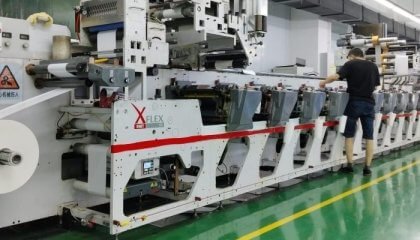
In narrow web printing, where presses operate at high speeds and substrates are often films or thin papers, LED UV curing is a game-changer.
- Substrate Versatility: The low heat emission of LED UV allows printers to use a wider range of substrates, including delicate films, without fear of shrinkage or distortion. This opens up new possibilities for high-quality, durable labels on diverse products.
- Inline Finishing: LED UV enables efficient inline application of spot varnishes, special effect coatings, and overprint varnishes. This streamlines production, reduces handling, and ensures a consistent finish from start to finish.
- Productivity: The instant on/off capability of LEDs means there’s no warm-up or cool-down period. This maximizes press uptime and throughput, a critical factor in the competitive label market.
Flexographic Printing
Flexography, widely used for labels and packaging, benefits immensely from LED UV.
- Improved Ink/Varnish Adhesion: LED UV promotes excellent adhesion of varnishes to a variety of inks and substrates common in flexo printing. This ensures the integrity of the final finish, even under demanding conditions.
- Fine Detail and Texture: The controlled curing process helps preserve the fine details of graphics and text while applying varnishes. It also allows for the creation of tactile finishes through specialized varnishes, adding a premium feel to printed products.
- Reduced VOCs: While not exclusive to LED UV, the transition often goes hand-in-hand with the use of UV-curable inks and varnishes, which are generally low in Volatile Organic Compounds (VOCs), contributing to a safer working environment.
Offset (Sheet-fed and Web) Printing
Offset printing, particularly for commercial print and packaging, also sees significant advantages.
- High-Quality Finishes: For high-volume print runs requiring premium finishes, LED UV offers a reliable method for achieving consistent, durable varnishes. This is ideal for brochures, book covers, and folding cartons.
- Faster Turnaround: The instant curing eliminates drying time. This means printed sheets can be handled, folded, or die-cut immediately after varnishing, drastically speeding up post-press operations and overall job completion times.
- Cost-Effectiveness: While the initial investment in LED UV equipment might be higher, the long-term savings in energy, lamp replacement, and increased productivity often make it a more cost-effective solution.
Considerations for Implementation
Adopting LED UV curing for varnishes and coatings involves a few key considerations:
- Formulation Compatibility: It is essential to use UV-curable varnishes and coatings specifically formulated for LED UV curing systems. These formulations contain photoinitiators that respond optimally to the specific wavelengths emitted by LEDs.
- Wavelength and Irradiance: Different LED systems operate at different wavelengths (e.g., 395 nm, 365 nm). It’s important to match the LED system to the requirements of the varnish or coating being used. Irradiance (the amount of UV energy delivered) also needs to be sufficient for complete curing at the press speed.
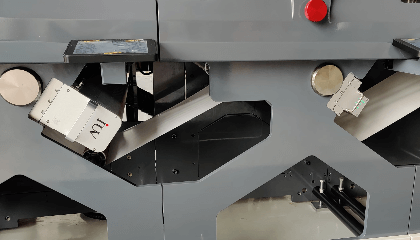
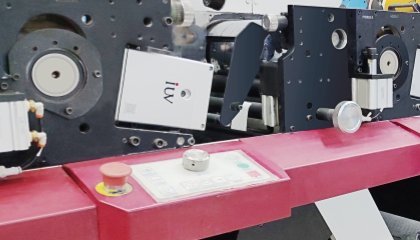
- Press Integration: Retrofitting existing presses with LED UV systems requires careful planning to ensure proper integration, power supply, and ventilation.
The Future of Varnish and Coating Finishes
LED UV curing is not just a trend; it represents a significant technological leap that is fundamentally improving how varnishes and coatings are applied and perceived. Its ability to deliver superior aesthetics, enhanced durability, and improved efficiency makes it an indispensable tool for printers aiming to meet the ever-increasing demands of the market. As the technology continues to advance, we can expect even more innovative applications and even higher standards for printed finishes.