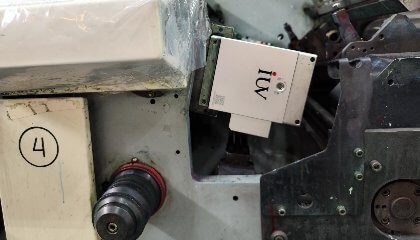
LED UV curing technology has become a game-changer in the printing industry, significantly influencing ink transfer, print resolution, and overall print quality. By understanding the impact of LED UV curing on these key aspects, print service providers can harness its advantages to optimize their operations, reduce energy consumption, and improve the final product. This article explores the essential relationship between LED UV curing and its effects on ink transfer and print resolution, particularly in flexographic, offset, and narrow-web printing applications.
Understanding LED UV Curing
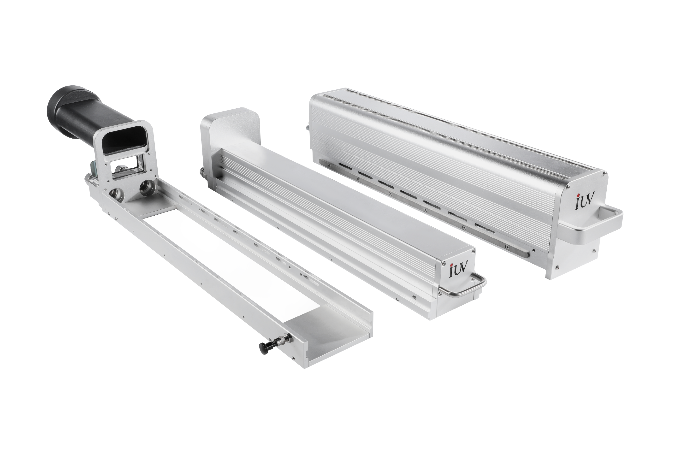
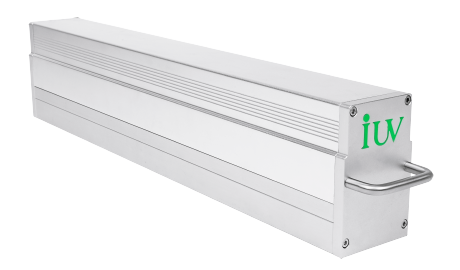
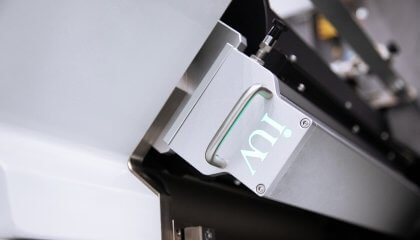
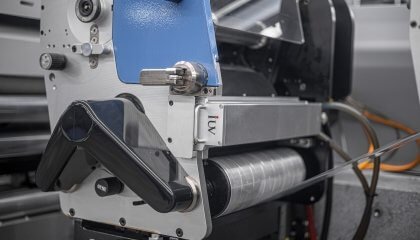
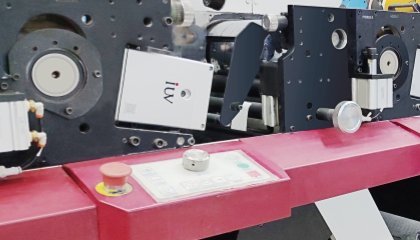
LED UV curing is a modern printing technology that uses light-emitting diodes (LEDs) to produce ultraviolet light for curing inks. Unlike traditional mercury-based UV curing systems, LED UV offers numerous advantages such as lower energy consumption, longer lamp life, and the ability to cure inks at lower temperatures. This makes it an ideal solution for applications requiring high-speed curing without compromising substrate integrity.
In UV printing, inks are specially formulated to cure or “dry” quickly when exposed to UV light, creating a durable finish that is resistant to wear and smudging. The curing process essentially polymerizes the ink, making it solidify almost instantly after it is applied to the substrate. The effectiveness of the curing process is highly dependent on the intensity and wavelength of the UV light, with LED UV systems offering superior control over these variables.
The Role of LED UV Curing in Ink Transfer
One of the primary benefits of LED UV curing in printing is its impact on ink transfer, which refers to the process of applying ink from the printing plate or anilox roller to the substrate. In flexographic printing, for instance, the ink transfer process plays a crucial role in determining the final print quality. The consistency of the ink transfer is essential to achieve uniform color density and sharpness.
With LED UV curing, ink transfer can be significantly improved due to the immediate curing process. In traditional printing methods, such as solvent-based inks or air-dried systems, ink may be prone to smudging or contamination, leading to imperfections. LED UV systems, on the other hand, cure the ink instantly, ensuring that the ink remains intact without spreading or bleeding into adjacent areas. This enhanced control over ink transfer helps to maintain sharp details, accurate color reproduction, and overall print quality.
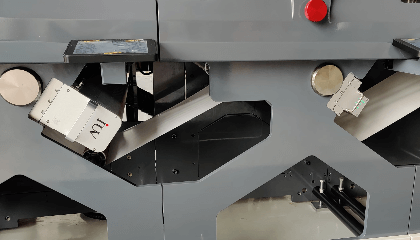
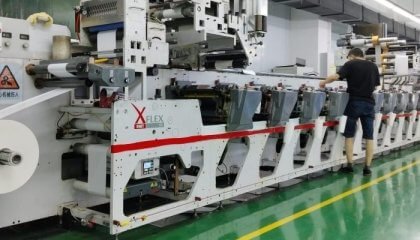
In narrow-web flexographic printing, LED UV curing is especially advantageous. Narrow-web presses often require precise control of ink transfer due to the small web width and fast printing speeds. LED UV technology’s instant curing helps to prevent ink from transferring beyond the desired print area, reducing the risk of misregistration and maintaining high print resolution.
Enhancing Print Resolution with LED UV Curing
Print resolution, which refers to the sharpness and clarity of the printed image, is a critical factor in high-quality printing. Achieving fine details, smooth gradients, and high-density color reproduction requires an optimal balance between ink application and curing.
LED UV curing improves print resolution in several ways. First, because the ink is cured instantly upon exposure to UV light, there is less time for the ink to spread or dot gain to occur. This is particularly important in high-quality flexographic and offset printing, where precision is key. By curing the ink immediately, LED UV technology helps maintain the fine dot patterns that are essential for high-resolution images.
In offset printing, where high-quality printing plates are used to transfer ink to the substrate, LED UV curing provides the necessary support to maintain consistent ink density and fine details. The instant curing prevents the ink from being absorbed too much by the paper, ensuring that the ink remains on the surface, preserving both color vibrancy and resolution.
For narrow-web printing, which often involves high-definition graphics and intricate designs, LED UV curing allows for faster press speeds without compromising print resolution. The ability to instantly cure the ink allows printers to maintain fine details even at high production speeds, a significant advantage for label printing, packaging, and other small-format applications.
The Impact on Ink Drying Time and Print Speed
One of the most notable advantages of LED UV curing is the dramatic reduction in drying time. In traditional printing methods, ink may require minutes or even hours to dry fully, depending on the ink formulation and substrate. This extended drying time can slow down production, lead to potential smudging, and increase energy costs.
With LED UV curing, the ink is dried almost instantly as the UV light cures the ink upon contact. This not only speeds up the printing process but also enhances throughput. Faster drying times reduce the need for additional drying stations, which can save space and energy in the printing facility. Additionally, it eliminates the risk of smudging, which can be a concern in both flexographic and offset printing when printing on non-porous substrates such as plastics or foils.
As a result, LED UV curing allows for quicker turnaround times and more efficient operations, making it especially beneficial for high-volume print runs and applications with tight deadlines. Whether in flexographic, offset, or narrow-web printing, the reduction in drying time translates to higher productivity and faster delivery times for customers.
Environmental and Operational Benefits
In addition to improving print quality and production speed, LED UV curing offers significant environmental and operational benefits. Traditional UV curing systems often generate high levels of heat, which can damage sensitive substrates or increase energy consumption. In contrast, LED UV curing operates at lower temperatures, reducing the risk of heat distortion and enabling it to be used with a wider range of substrates.
From an environmental perspective, LED UV curing systems use less energy than traditional mercury vapor lamps, resulting in a smaller carbon footprint. Additionally, LED lamps last significantly longer, reducing the frequency of lamp replacements and further lowering operational costs.
Furthermore, LED UV inks typically contain fewer volatile organic compounds (VOCs) compared to traditional solvent-based inks. This makes LED UV printing a more sustainable option, helping printing companies comply with increasingly stringent environmental regulations.
Applications in Flexographic and Narrow-Web Printing
LED UV curing technology is particularly well-suited to flexographic and narrow-web printing applications. In flexographic printing, which is widely used for packaging, labels, and corrugated board printing, LED UV curing ensures that the printed products meet the high standards of quality required in the market. The ability to cure inks quickly prevents ink transfer issues such as smudging and ghosting, ensuring that the printed materials retain their clarity and color accuracy.
For narrow-web printing, which is typically used for labels, tags, and other small-format products, LED UV curing is essential for producing high-resolution images and fine details. In narrow-web applications, high-speed printing demands precise ink transfer and instant curing to maintain print quality. LED UV technology offers the ability to print on a variety of substrates, including non-porous materials such as films and foils, that would be difficult to process with conventional drying methods.
Conclusion
LED UV curing technology has revolutionized the printing industry by enhancing ink transfer and improving print resolution. Its ability to cure inks instantly has made it an invaluable tool in flexographic, offset, and narrow-web printing applications. The instant curing process allows for better ink transfer, faster drying times, higher print resolution, and greater productivity. As the printing industry continues to evolve, LED UV curing will undoubtedly play a critical role in shaping the future of high-quality printing. For print service providers looking to stay competitive, embracing LED UV technology is a step toward more efficient, sustainable, and high-quality printing operations.