<!-- Meta Pixel Code --> <!-- 结束元像素代码 -->

The Impact of LED UV Curing on Ink Adhesion and Gloss in Offset Printing

The Impact of LED UV Curing on Ink Adhesion and Gloss in Offset Printing

The Brilliance of LED UV: Enhancing Ink Adhesion and Gloss in Offset Printing

The world of offset printing is constantly evolving. Advancements in technology drive improvements in quality, efficiency, and sustainability. One such transformative technology is LED UV curing. This innovative process is revolutionizing how inks behave on various substrates, particularly in the realm of labels and narrow-web printing. It offers distinct advantages for both ink adhesion and the final gloss of printed materials.

Understanding UV Curing and Its Evolution

Traditional UV curing uses mercury vapor lamps to emit ultraviolet light. This light initiates a photochemical reaction within the ink, causing it to solidify, or “cure,” almost instantaneously. While effective, these lamps generate significant heat and consume a substantial amount of energy. They also contain mercury, posing environmental concerns.

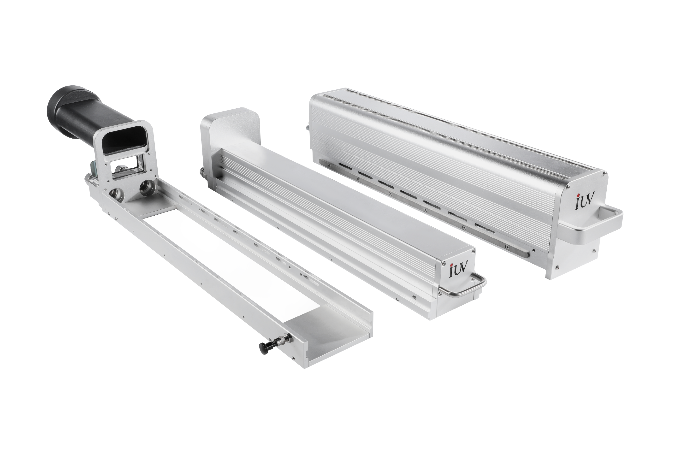
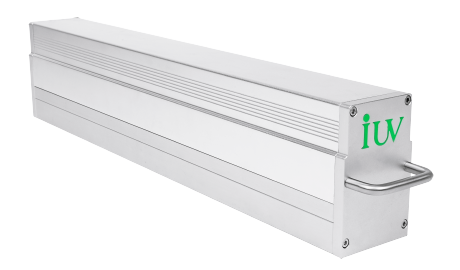
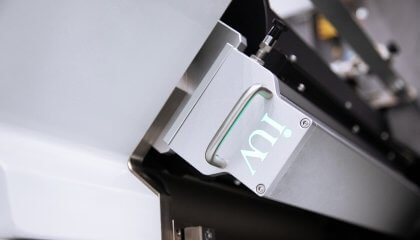
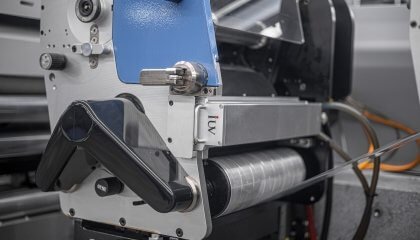
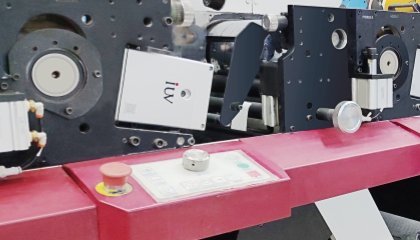
LED UV curing represents a significant leap forward. Instead of broad-spectrum mercury lamps, it utilizes light-emitting diodes (LEDs) that produce UV light within very specific wavelength ranges. This focused energy delivery brings several benefits. It requires less power, generates minimal heat, and is mercury-free, making it a more sustainable and operator-friendly option.

The Crucial Role of Ink Adhesion

Ink adhesion is paramount in any printing application. It refers to how well the ink bonds to the printing surface, or substrate. Poor adhesion leads to inks rubbing off, scratching, or delaminating, compromising the integrity and appearance of the final product. This is especially critical in label printing, where labels are subjected to handling, abrasion, and sometimes exposure to various substances.

In traditional offset printing, achieving optimal ink adhesion can sometimes be challenging, depending on the ink formulation and the substrate. Certain inks may require longer drying times or specific priming of the substrate to ensure a durable bond. The heat generated by older UV curing systems could also, in some cases, affect the substrate’s surface properties, indirectly influencing adhesion.

How LED UV Curing Boosts Ink Adhesion

LED UV curing has a profound impact on ink adhesion. The precise wavelengths emitted by LEDs are highly efficient at initiating the polymerization process of UV-curable inks. This rapid and thorough polymerization creates a strong, cross-linked ink film that adheres tenaciously to the substrate.

The localized, intense energy from LEDs means the ink cures extremely quickly and completely. This rapid curing locks the ink molecules directly onto the surface of the substrate. Unlike solvent-based inks that rely on evaporation, UV inks form a solid layer through a chemical reaction. LED UV accelerates this reaction, creating a robust bond. For narrow-web and flexographic printing used extensively in label production, this means inks are less likely to lift or scuff during the printing and finishing processes. This enhanced adhesion is vital for creating durable, high-performance labels that can withstand demanding applications.

The Gloss Factor: Making Prints Shine

Gloss refers to the shininess or reflectivity of a printed surface. A high-gloss finish can make colors appear more vibrant, designs more striking, and the overall product more premium. Achieving a consistent and high level of gloss is often a key objective in label and packaging printing.

Traditional drying methods, such as heat or air drying, can sometimes lead to a duller finish as the ink components evaporate or migrate. While conventional UV curing improved gloss compared to these methods, LED UV curing takes it to another level.

LED UV’s Contribution to Superior Gloss

The speed and efficiency of LED UV curing play a significant role in achieving superior gloss. When UV-curable inks are exposed to LED UV light, they polymerize very rapidly. This rapid solidification prevents the ink from losing moisture or components to the atmosphere, which can create a matte or uneven surface. Instead, the ink surface remains smooth and level, reflecting light uniformly.

Furthermore, the controlled wavelength output of LEDs can be optimized for specific ink formulations designed for high gloss. This precise energy delivery ensures that the photoinitiators within the ink are activated effectively, leading to complete curing and a smooth, high-gloss film. The minimal heat output also prevents any unwanted changes in the substrate surface that could detract from the gloss. For applications where visual appeal is critical, such as premium product labels or decorative finishes, LED UV curing offers a distinct advantage in creating that desired eye-catching shine.

Applications in Narrow-Web and Flexographic Printing

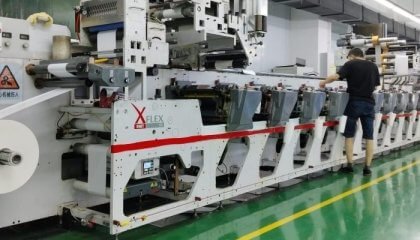
Narrow-web printing, often utilizing flexographic or offset technology, is the backbone of the label and flexible packaging industry. These processes demand speed, precision, and the ability to print on a wide variety of materials, including films, foils, and papers.

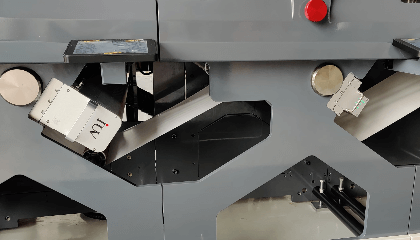
The adoption of LED UV curing in narrow-web presses has been transformative. The ability to achieve excellent ink adhesion and high gloss on diverse substrates is critical for producing high-quality labels that meet stringent performance requirements. Whether it’s a durable industrial label needing exceptional rub resistance or a premium cosmetic label requiring a lustrous finish, LED UV curing provides the consistent results printers need. The energy efficiency and lower operational costs associated with LED UV also contribute to the economic viability of these demanding printing operations.

Ink Formulation and Substrate Considerations

It is important to note that to fully leverage the benefits of LED UV curing, appropriate ink formulations are essential. Printers should work with ink manufacturers who specialize in UV-curable inks optimized for LED technology. These inks are designed to react efficiently to the specific wavelengths emitted by LED lamps.

Similarly, while LED UV curing is highly effective on a wide range of substrates, understanding the substrate’s surface properties is still important. Porous substrates might require inks with lower viscosity or specific adhesion promoters, while non-porous films may need carefully formulated primers or inks to ensure optimal bonding. The reduced heat from LED systems, however, makes them more forgiving on heat-sensitive materials like certain plastics and thin films, opening up new possibilities for high-quality printing.

The Future is Bright with LED UV

The impact of LED UV curing on ink adhesion and gloss in offset printing, particularly within the label and narrow-web sectors, is undeniable. It offers a powerful combination of enhanced durability, superior visual appeal, and improved operational efficiency. As the technology continues to advance and ink formulations become even more sophisticated, LED UV curing is set to remain a cornerstone of high-performance printing for years to come.

Contact IUV Curing Experts

滚动至顶部