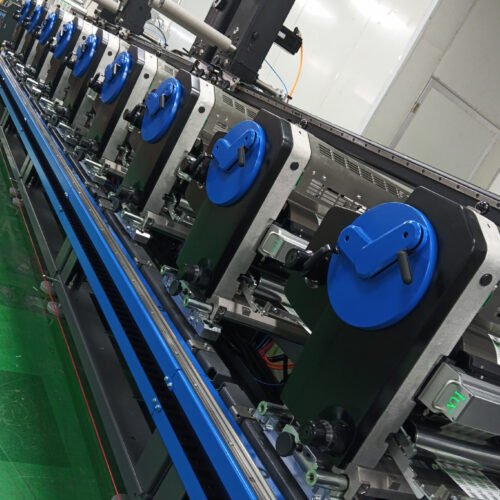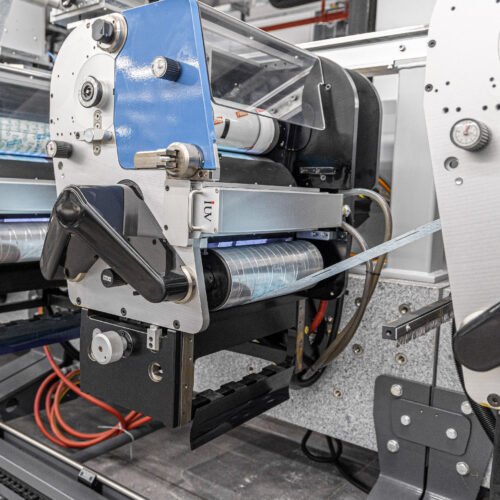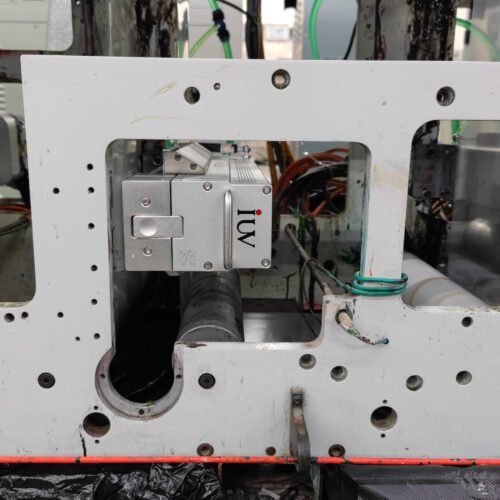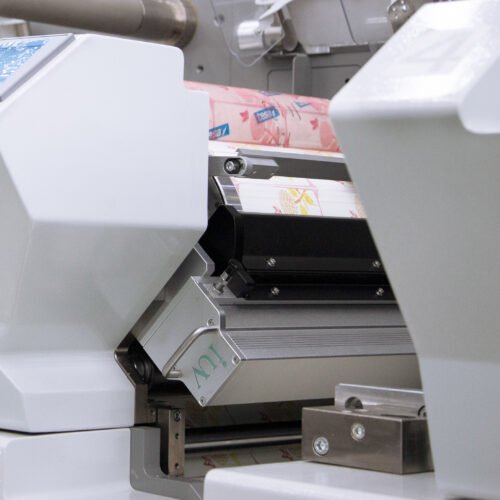
The Brilliance of LED Curing: Enhancing Durability and Ink Performance in Narrow Web Printing
In the dynamic world of narrow web printing, achieving superior print durability and optimal ink performance is paramount. Modern label printing operations are constantly seeking innovations that can elevate their output and efficiency. One such transformative technology is the advent of LED UV curing systems. These systems are rapidly reshaping the landscape, offering distinct advantages over traditional mercury lamp UV curing methods.
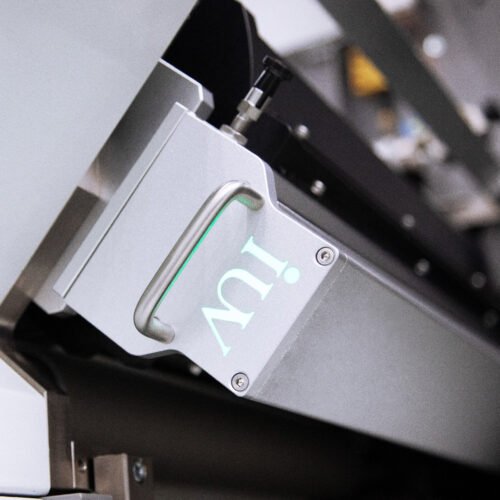
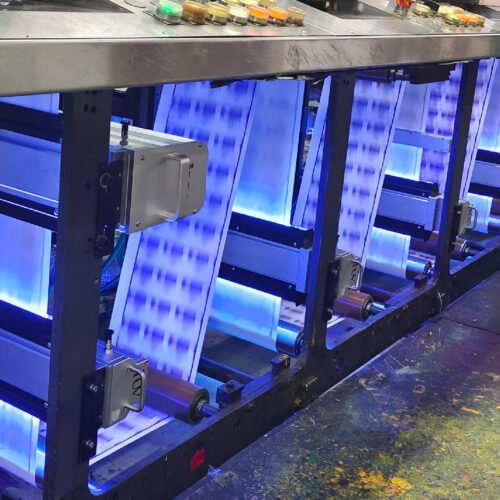
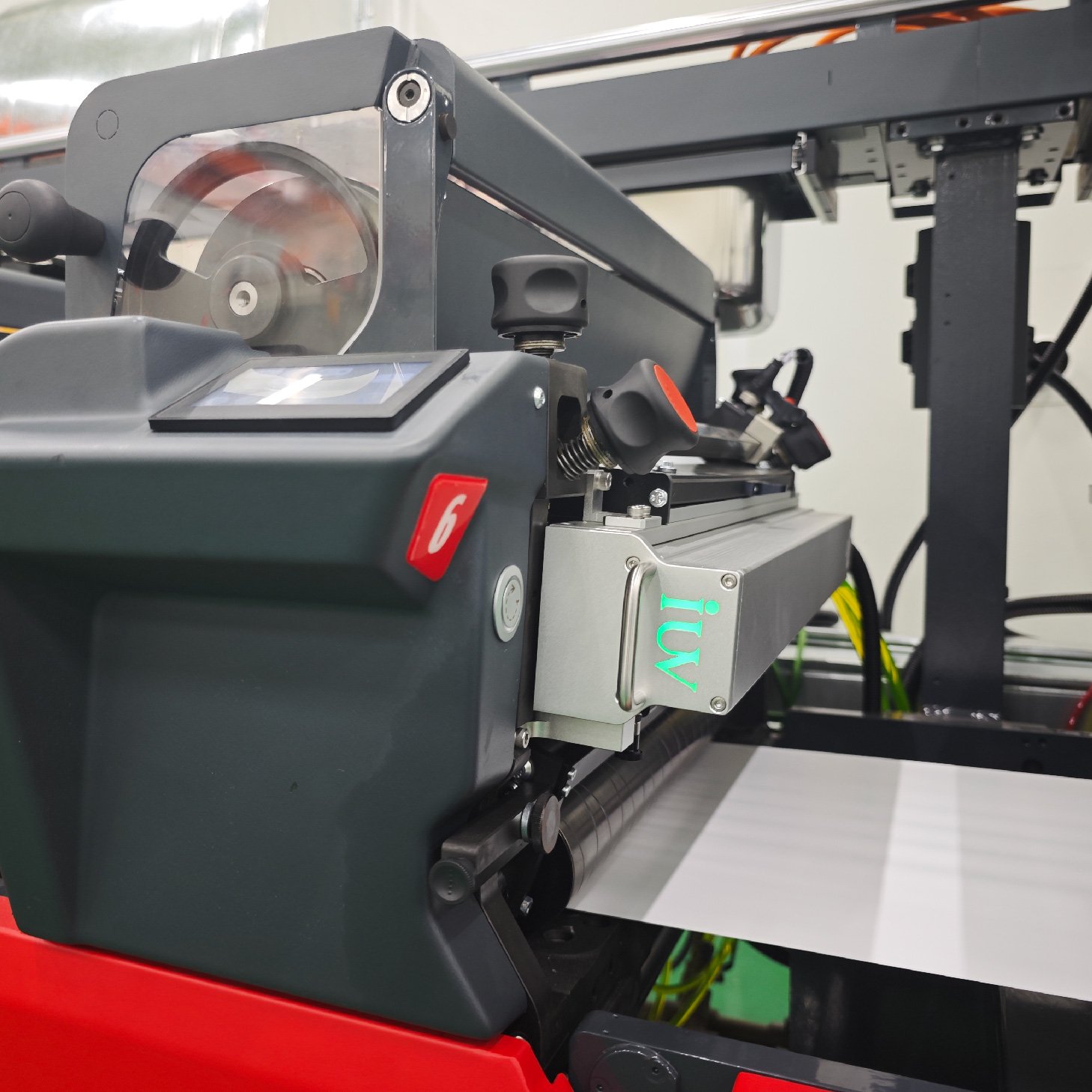
LED curing technology brings a new level of precision and control to the printing process. It utilizes light-emitting diodes (LEDs) to emit specific wavelengths of UV light. This targeted emission is key to efficient and effective ink curing. Unlike mercury lamps, which emit a broad spectrum of light, LEDs focus their energy precisely where it’s needed. This focused energy transfer directly impacts the ink’s ability to cure, leading to enhanced physical properties.
The durability of printed labels is a critical factor, especially for products that undergo significant handling, exposure to harsh environments, or frequent contact with chemicals. LED curing significantly boosts this durability. When UV-curable inks are exposed to the specific wavelengths of LED light, they undergo rapid polymerization. This process creates a highly cross-linked ink film. The result is an exceptionally tough and resistant print surface. This means prints are less prone to scratching, scuffing, and fading. For label printers serving industries like food and beverage, cosmetics, or industrial goods, this enhanced durability translates directly to a higher quality product that withstands the rigors of its intended application.
Ink performance is another area where LED curing shines. The precise control over wavelength and intensity offered by LED systems allows for more consistent and predictable ink behavior. This consistency is vital for achieving sharp details, vibrant colors, and smooth ink laydown across the entire print run. Certain LED wavelengths are particularly effective at initiating the photoinitiators within UV-curable inks, leading to a faster and more complete cure. This can result in inks that exhibit improved adhesion to various substrates, including challenging plastics and foils commonly used in narrow web applications.
Furthermore, LED UV curing contributes to better ink performance by minimizing heat generation during the curing process. Traditional mercury lamps produce a considerable amount of heat. This excess heat can cause issues such as substrate distortion, particularly with heat-sensitive materials. It can also lead to premature drying of ink on the printing plates or anilox rolls, causing production delays and quality inconsistencies. LED systems, on the other hand, emit very little heat. This “cool cure” technology preserves the integrity of the substrate and reduces the risk of ink-related production problems. This cooler process also allows for higher printing speeds without compromising ink quality.
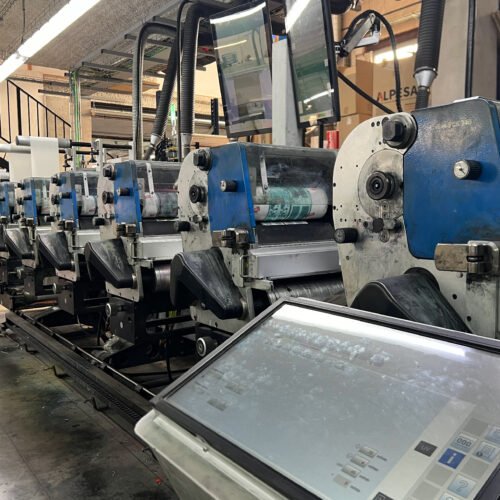
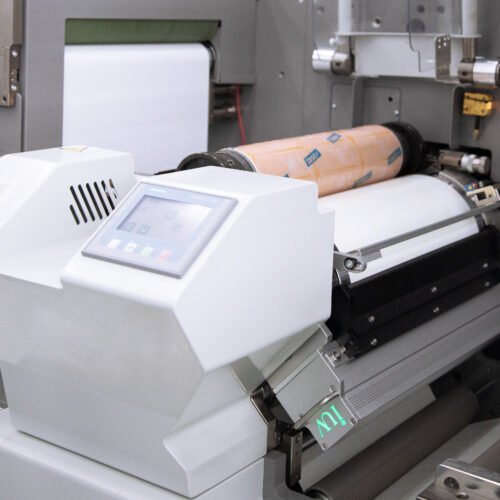
The application of LED curing extends across various printing methods used in narrow web printing. In flexographic printing, which is dominant in label production, LED curing systems integrate seamlessly. The rapid cure enabled by LEDs allows for faster press speeds, enabling printers to increase their throughput. This is particularly beneficial for short-run, high-volume label jobs where efficiency is key. The consistency of the cure also ensures excellent ink transfer and dot gain control, leading to sharper images and text.
For offset printing, or as it’s often referred to in narrow web, sheetfed or coldset offset, LED curing offers similar advantages. The ability to achieve a full cure quickly means that printed sheets can be immediately handled or further processed without the risk of smudging. This streamlines the post-press workflow and reduces the need for anti-offsetting powders, which can detract from the final print quality.
The environmental benefits associated with LED curing are also significant. Since LED systems do not contain mercury, they are a more environmentally friendly option. They also consume less energy compared to traditional UV lamps, leading to reduced operational costs and a smaller carbon footprint. The longer lifespan of LED lamps also means less frequent replacement and disposal, further contributing to sustainability efforts within the printing industry.
When selecting LED curing systems, printers need to consider the specific ink formulations they are using and the desired print characteristics. Different inks are formulated with photoinitiators that respond best to specific wavelengths. Modern LED systems offer a range of wavelength options, allowing for optimization with a wide variety of UV-curable inks. Understanding this relationship is crucial for achieving the best possible results in terms of cure speed, adhesion, and overall print performance.
The transition to LED curing technology represents a forward-thinking investment for narrow web printers. It’s a move that directly addresses the demands for higher durability, superior ink performance, increased production speeds, and greater sustainability. As the technology continues to evolve, its impact on the quality and efficiency of label printing will only become more pronounced. Embracing LED curing is not just about adopting new equipment; it’s about unlocking new levels of excellence in print production.