<!-- Meta Pixel Code --> <!-- 结束元像素代码 -->

The Hidden Economics of Investing in LED UV Curing Systems for Printing

The Hidden Economics of Investing in LED UV Curing Systems for Printing

Investing in LED UV curing systems for printing offers a compelling economic advantage that often goes unseen. Beyond the initial hardware cost, a deeper dive reveals significant operational savings, enhanced product quality, and expanded market opportunities, particularly within the label, flexographic, and offset printing sectors. This article explores the multifaceted economic benefits of adopting LED UV curing technology in narrow web printing operations.

Understanding LED UV Curing Technology

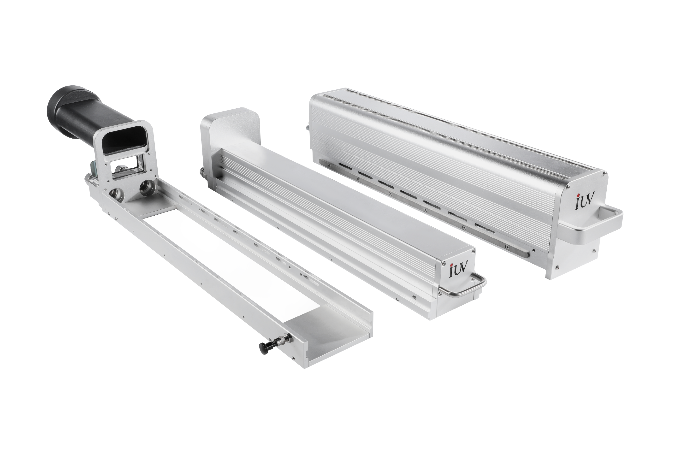
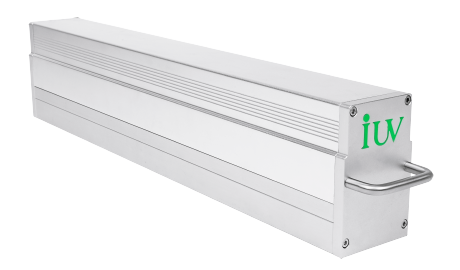
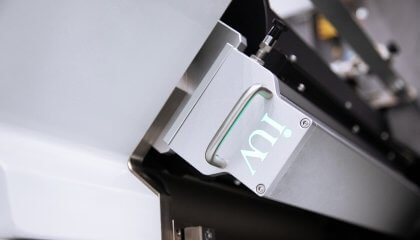
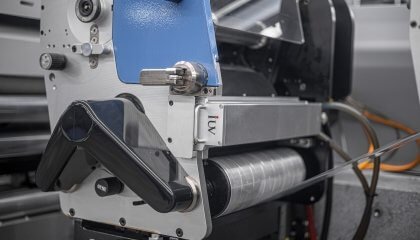
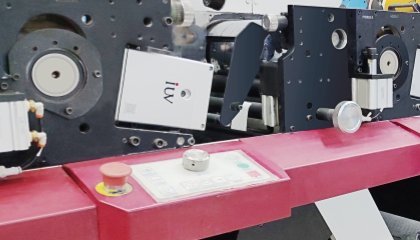
Traditional UV curing systems often utilize mercury vapor lamps, which emit a broad spectrum of UV light, including heat and infrared radiation. These lamps require significant warm-up time, consume substantial energy, and have a limited lifespan, necessitating frequent replacement. LED UV curing systems, on the other hand, employ light-emitting diodes that produce UV light within a narrow, specific wavelength range. This targeted emission profile translates into several key advantages.

Energy Efficiency: A Direct Cost Reduction

One of the most immediate and quantifiable economic benefits of LED UV curing is its remarkable energy efficiency. Compared to conventional mercury lamps, LEDs consume up to 70% less electricity to achieve the same level of curing. This reduction in power consumption directly translates into lower utility bills, a significant operational cost saving, especially for high-volume printing businesses. Furthermore, LEDs do not require a warm-up period; they reach full curing intensity instantaneously upon activation, eliminating the energy waste associated with waiting for mercury lamps to heat up. This instant on/off capability means energy is only consumed when printing is actually occurring, maximizing efficiency.

Extended Equipment Lifespan and Reduced Maintenance

The economic implications of LED UV systems extend to their longevity and maintenance requirements. LED arrays have a significantly longer operational lifespan, often rated for 20,000 to 50,000 hours of use, compared to mercury lamps, which typically last only 500 to 1,500 hours. This dramatically reduces the frequency of lamp replacements, saving not only on the cost of new lamps but also on the labor and downtime associated with maintenance. The absence of mercury also presents an environmental advantage, eliminating the need for specialized disposal procedures and associated costs.

Enhanced Productivity and Throughput

The speed at which LED UV inks and coatings cure directly impacts printing productivity. LED systems cure instantly upon exposure to the specific UV wavelengths, allowing for faster printing speeds. This increased throughput means more jobs can be completed in the same amount of time, leading to higher revenue potential. In narrow web printing, where speed and efficiency are paramount for label production, this rapid curing capability is a significant differentiator. It allows printers to meet tighter deadlines and handle a larger volume of orders, boosting overall business capacity.

Superior Print Quality and Substrate Versatility

LED UV curing technology contributes to enhanced print quality, which can translate into higher-value products and reduced waste. The precise wavelength control of LEDs minimizes heat transfer to the substrate. This is particularly beneficial for heat-sensitive materials, such as thin films and certain plastics, commonly used in label and packaging printing. Traditional UV systems can cause substrate distortion or discoloration due to excessive heat. LED UV curing, with its cool curing process, preserves substrate integrity, leading to sharper images, more vibrant colors, and a superior finish. This reduced heat also minimizes the risk of ink migration or degradation, ensuring the quality and safety of printed materials.

The ability to cure a wider range of inks and coatings on various substrates is another economic advantage. LED UV systems are optimized for specific UV wavelengths, meaning inks and coatings formulated for these systems cure more efficiently and consistently. This versatility allows printers to explore new applications and offer a broader range of products to their clients, opening up new revenue streams and expanding market reach. For example, printing on non-porous substrates like foils and plastics becomes more feasible and reliable with LED UV curing.

Reduced VOC Emissions and Environmental Compliance

Volatile Organic Compounds (VOCs) are a significant concern in the printing industry due to their environmental impact and health risks. Traditional solvent-based inks release VOCs during the drying process. While some UV inks also contain VOCs, LED UV curing often works with low-VOC or VOC-free ink formulations. This shift towards more environmentally friendly inks, combined with the efficient curing process, leads to significantly reduced VOC emissions. This not only contributes to a healthier working environment but also helps printers comply with increasingly stringent environmental regulations, avoiding potential fines and reputational damage.

Lower Waste and Rework Costs

The consistent and efficient curing achieved with LED UV systems leads to a reduction in print defects and errors. This means fewer jobs require rework or are discarded as waste, directly impacting profitability. For label printers, where precision and defect-free output are critical for brand integrity, this reduction in waste is particularly valuable. Faster setup times, aided by the instant-on nature of LEDs and optimized ink performance, also contribute to reduced material waste during job changes.

Case Studies in Narrow Web Printing

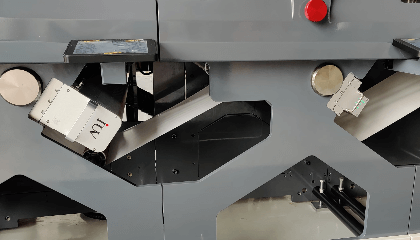
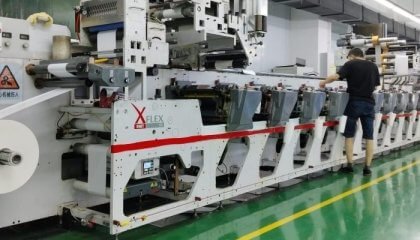
In the narrow web printing sector, the economic drivers for adopting LED UV curing are particularly strong. Label printers, for instance, frequently encounter jobs requiring high print speeds, vibrant color reproduction, and durability. LED UV technology enables these demands to be met with greater efficiency and cost-effectiveness. Flexographic printers benefit from the ability to achieve superior print quality on a wide array of substrates, from paper to flexible films, while also reducing energy consumption and maintenance costs associated with their presses. Offset printers, too, are finding that LED UV curing offers a cleaner, faster, and more energy-efficient alternative to traditional heatset or IR curing methods, especially for short to medium run lengths.

Conclusion: A Strategic Investment

The economics of investing in LED UV curing systems for printing are compelling and extend far beyond initial purchase price. The substantial savings in energy consumption, reduced maintenance and replacement costs, increased productivity, enhanced print quality, and the ability to work with a wider range of materials and compliant inks all contribute to a significant return on investment. For businesses in the label, flexographic, and offset printing markets, particularly those operating narrow web presses, embracing LED UV curing is not just an upgrade; it is a strategic decision that can drive profitability, foster innovation, and ensure long-term competitiveness in an evolving industry.

Contact IUV Curing Experts

滚动至顶部