The Evolution of LED Curing Systems in the Printing Industry
Introduction
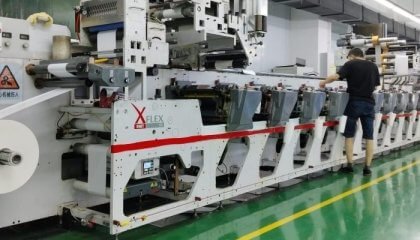
Printing technology has constantly evolved to meet the demands for faster production, higher quality, and environmentally friendly processes. Among these advancements, LED curing systems have revolutionized the way inks, coatings, and adhesives are cured in various printing sectors. From traditional UV systems to modern LED UV curing, this technological shift significantly impacts labels, flexography, lithography, and narrow-format printing. Understanding this progression provides insight into how the industry continues to innovate.
The Rise of LED UV Curing Technology
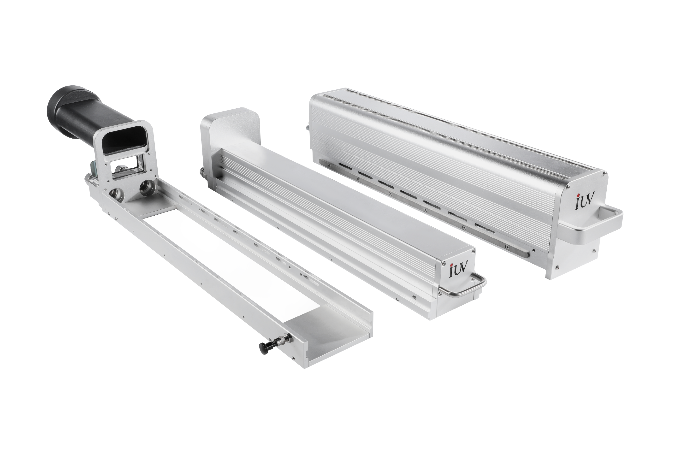
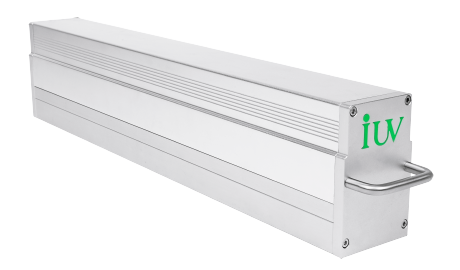
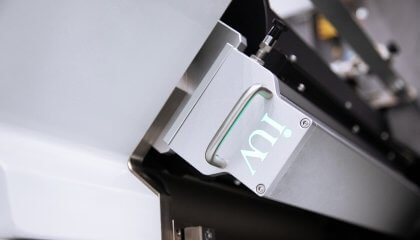
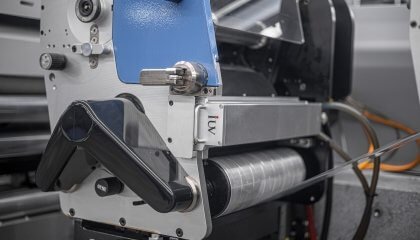
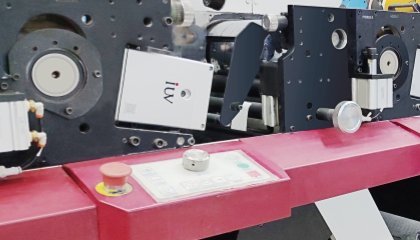
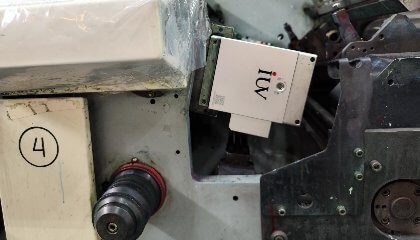
LED UV curing emerged as a game-changer due to its energy efficiency, safety, and versatility. Unlike conventional mercury vapor lamps used in traditional UV curing, LED systems emit specific wavelengths of UV light that instantly cure specific inks and coatings. This targeted wavelength reduces waste and power consumption, making LED curing more sustainable. Over the years, advancements in LED chip technology have increased light intensity and lifespan, further optimizing curing processes.
Advantages in Label Printing
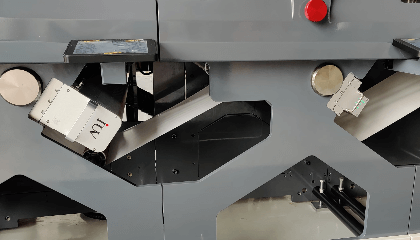
Label printing demands precision and durability. LED UV curing enhances this process by delivering rapid curing times, enabling high-speed production lines. The instant formation of a strong, glossy surface improves label adhesion and resistance to scratches, chemicals, and environmental conditions. Additionally, LED UV systems facilitate immediate handling and finishing, reducing overall production time and costs. Their low heat emission ensures sensitive label substrates remain unaffected, maintaining print quality.
Impact on Flexographic (Flexo) and Lithographic (Offset) Printing
Flexography benefits greatly from LED UV curing. The reduced heat transfer allows for easier printing on heat-sensitive materials like plastics and films commonly used in packaging. The quick curing capability means shorter press cycles and decreased ink drying times, increasing efficiency for large runs.
Lithography, especially in high-quality commercial print runs, also leverages LED UV technology. The precise control over curing allows for sharper images and vibrant color reproduction without sacrificing print speed. LED curing’s instant handling reduces setup times and secondary finishing processes, streamlining production workflows.
Narrow-Format Printing and Its Needs
Narrow-format printers, often used for specialized applications such as security printing, gift wraps, and promotional items, benefit from the flexibility of LED UV systems. These systems can accommodate various substrate thicknesses and textures, expanding design options. The ability to cure inks rapidly on small formats leads to faster delivery times and minimal waste, which is vital in competitive markets.
In-Depth Look at UV Curing in Different Printing Processes
UV curing involves the application of ultraviolet light to instantly polymerize inks and coatings. This chemical reaction creates a durable, resistant surface suitable for various environments. Traditional UV systems emit broad-spectrum light that can cause excess heat and ozone production, leading to safety concerns and higher energy costs.
LED UV curing addresses these issues through narrow-spectrum emission, which reduces energy consumption and eliminates ozone emissions entirely. The result is a safer, cleaner workspace and lower environmental impact. The precise control of UV exposure also means less ink wastage and consistent output quality.
Material Compatibility and Substrate Flexibility
LED curing systems enable a wide range of substrates, including plastics, metals, glass, and paper. In label printing, for instance, the ability to cure on film and foil materials expands design possibilities for branding and packaging. In flexible packaging, LED UV enables the use of thinner materials, reducing weight and cost without compromising strength or print quality.
Speed and Efficiency Gains
The instantaneous curing speeds achievable with LEDs significantly increase overall production capacity. No longer dependent on lengthy drying processes, printers can switch jobs rapidly, enhancing throughput. This speed is particularly beneficial in digital and custom printing applications where quick turnaround is vital.
Environmental and Safety Benefits
LED UV systems are inherently more environmentally friendly. They consume less power, produce no ozone, and generate minimal heat. As a result, they contribute to safer work environments and help meet strict environmental regulations. These benefits align with industry trends toward sustainable manufacturing practices.
Future Trends in LED UV Curing Technology
The ongoing development of LED UV systems focuses on increasing light intensity, reducing costs, and expanding the range of curable inks and coatings. Advances in LED chip efficiency and optical design are making these systems more adaptable to diverse printing applications.
Integration with Digital Technologies
Combining LED UV curing with digital printing and automation is opening new opportunities for personalized printing, on-demand labels, and short-run productions. This synergy allows for greater flexibility, reduced waste, and improved supply chain responsiveness.
Conclusion
The evolution of LED curing systems signifies a major leap toward more efficient, sustainable, and versatile printing operations. From labels to flexible packaging and narrow-format printing, LED UV technology enhances productivity, quality, and environmental responsibility. As innovation continues, the industry is poised to unlock even greater potentials, shaping the future of printing in profound ways.