Here’s a piece crafted for that keyword, focusing on clarity and readability for SEO:
The shift towards sustainable printing practices is no longer a niche concern. It’s a mainstream movement reshaping how businesses operate. Within this evolution, UV curing systems stand out. They offer compelling advantages for printers aiming for both efficiency and environmental responsibility. This article explores the environmental impact of UV curing systems in printing, highlighting green solutions. We’ll delve into how LED UV technology is leading this charge.
Understanding UV Curing in Printing
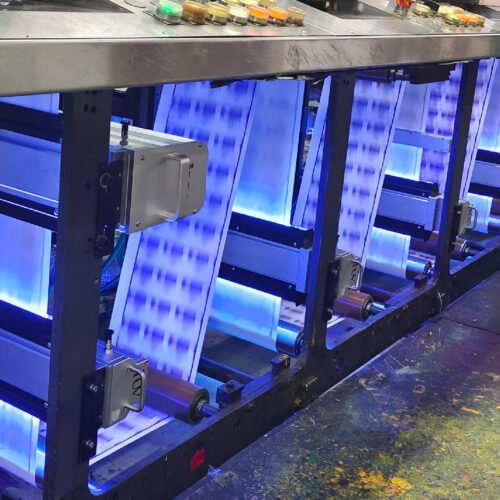
Traditional printing methods often rely on heat or solvent-based inks. These can release Volatile Organic Compounds (VOCs) into the atmosphere. UV curing is different. It uses ultraviolet light to instantly dry (or cure) inks, coatings, and adhesives. This process happens in seconds, transforming liquid into a solid film. The result is a durable, high-quality print. It also significantly reduces or eliminates VOC emissions.
The Environmental Advantages of UV Curing
The environmental benefits of UV curing are substantial. Firstly, the absence of solvents means drastically lower VOC emissions. This is crucial for air quality and regulatory compliance. Many regions have strict limits on VOCs. UV curing helps printers meet these standards easily.
Secondly, UV curing systems are often more energy-efficient than their thermal counterparts. While they use energy to power UV lamps, the rapid curing process and reduced need for extensive drying tunnels lead to lower overall power consumption. This translates to a smaller carbon footprint for the printing operation.
Thirdly, UV inks and coatings generally offer superior durability. This means printed products last longer, reducing the need for reprints and waste. The resistance to scratching, fading, and chemicals contributes to a longer product lifespan.
LED UV Technology: The Green Frontier
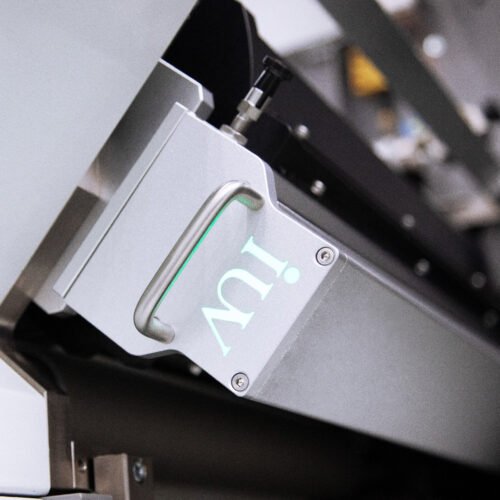
While traditional mercury arc UV lamps have been the standard, a significant advancement has been the rise of LED UV curing technology. LED UV offers even more compelling environmental advantages.
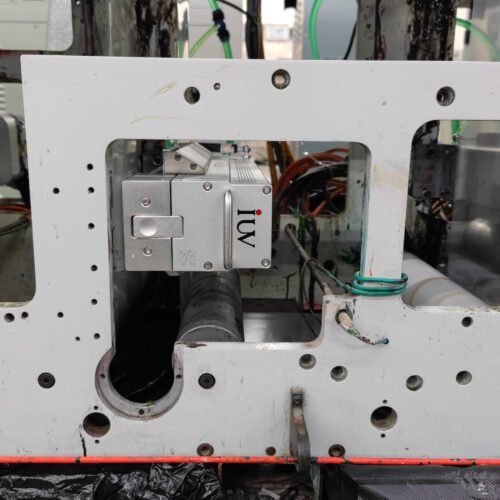
LEDs are highly energy-efficient. They consume considerably less power than traditional mercury lamps. They also generate less heat, which can reduce the energy needed for cooling in the print shop. Furthermore, LEDs do not contain mercury, a hazardous substance. This simplifies disposal and further enhances their environmental profile.
LED UV systems have a longer lifespan than conventional lamps. This means fewer replacements are needed over time, reducing manufacturing waste and associated transport emissions. They also reach full power instantly, unlike mercury lamps that require a warm-up period. This improves productivity and reduces energy waste.
Applications in Different Printing Sectors
The benefits of UV curing, particularly LED UV, are being realized across various printing sectors.
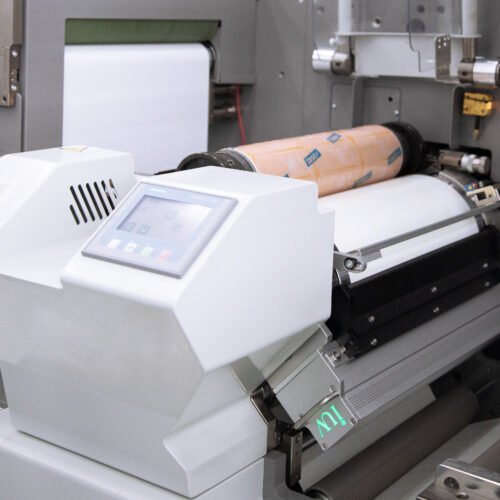
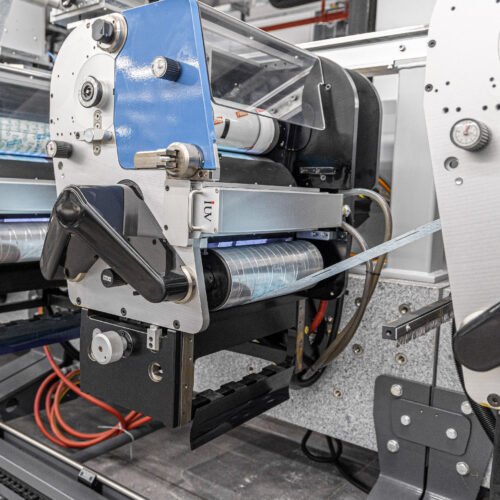
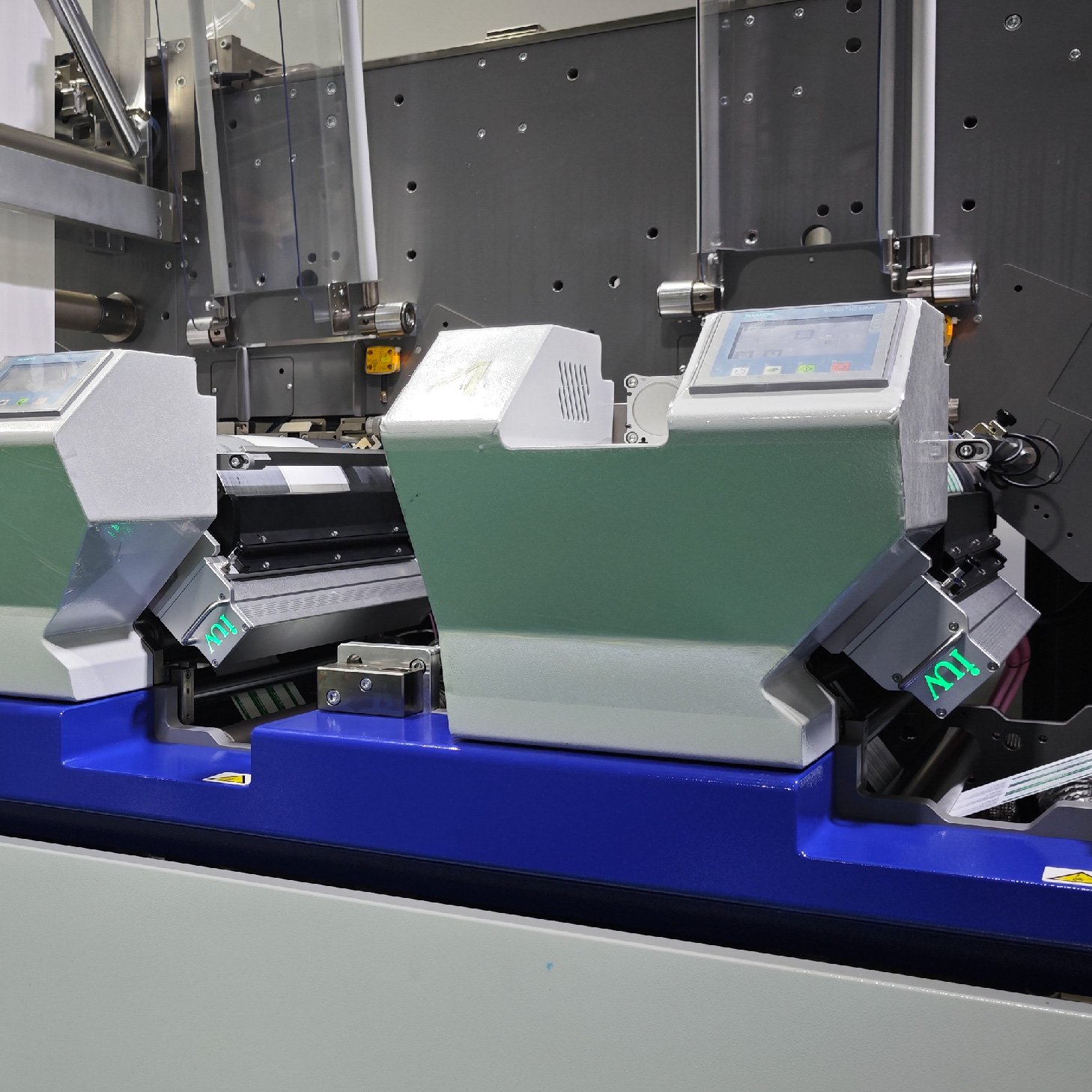
Label Printing: In narrow web label printing, UV curing is almost standard. It allows for vibrant, durable labels with quick turnaround times. The environmental benefits, especially reduced VOCs, are highly valued by brand owners and consumers alike. LED UV is making this sector even greener by cutting energy use and eliminating mercury.
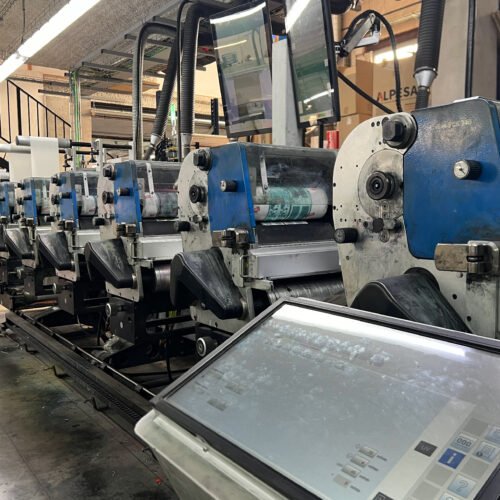
Flexographic Printing: Flexo printing, widely used for packaging and labels, benefits immensely from UV curing. It enables high-speed printing on a variety of substrates, including films and foils. UV flexo inks offer excellent adhesion and resistance properties. The adoption of LED UV in flexo is accelerating sustainability efforts. It’s allowing printers to achieve high-quality results with a lower environmental impact.
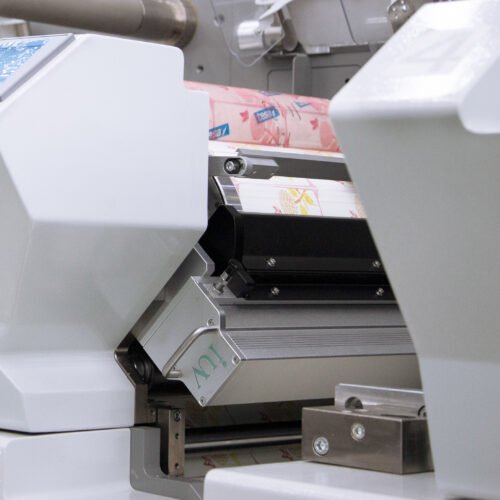
Offset Printing (Sheetfed and Web): While traditionally associated with heatset or EB curing, offset printing is increasingly adopting UV technology. Sheetfed offset printers can achieve instant drying of inks and coatings on paper and board. This eliminates waiting times and allows for immediate post-press finishing. For narrow web offset, LED UV is an excellent fit, offering speed, quality, and eco-friendliness.
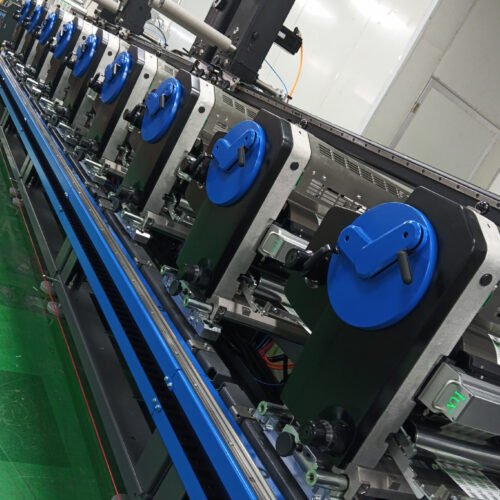
Narrow Web Printing: This segment, encompassing labels and flexible packaging, has seen massive adoption of UV curing. The compact nature of narrow web presses makes them ideal for integrating UV systems. LED UV in narrow web printing is a game-changer, enabling printers to be highly competitive while minimizing their environmental footprint. The ability to print on diverse materials, from paper to plastic films, with excellent adhesion and rub resistance is key.
The Future is Green: Embracing UV Curing
The environmental impact of UV curing systems in printing is overwhelmingly positive. They offer a practical, efficient, and increasingly green solution for modern print businesses. The evolution towards LED UV technology further amplifies these benefits. It provides lower energy consumption, reduced waste, and elimination of hazardous materials.
For printers, embracing UV curing, especially LED UV, is not just about meeting environmental regulations. It’s about enhancing operational efficiency, improving print quality, and aligning with the growing demand for sustainable products. It’s a strategic move that positions businesses for success in an environmentally conscious market. By choosing UV curing, printers are actively contributing to a healthier planet, one print job at a time.