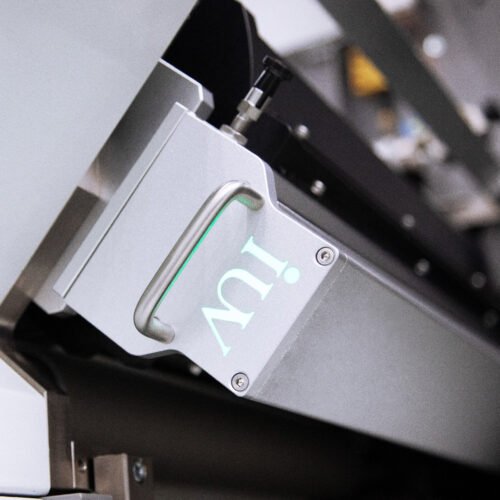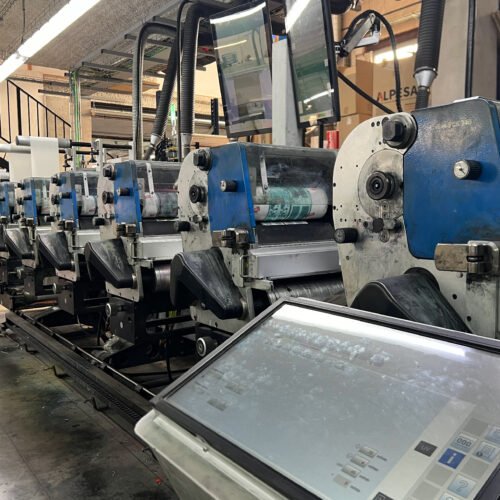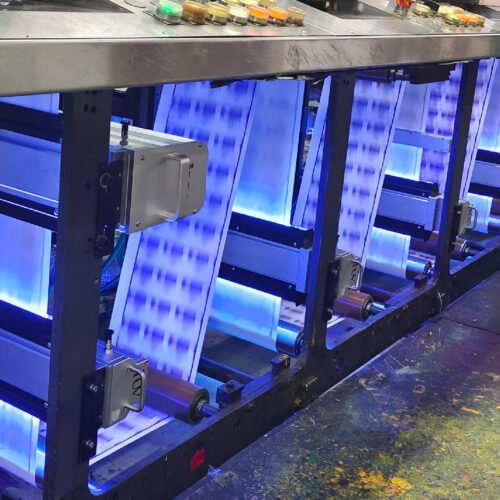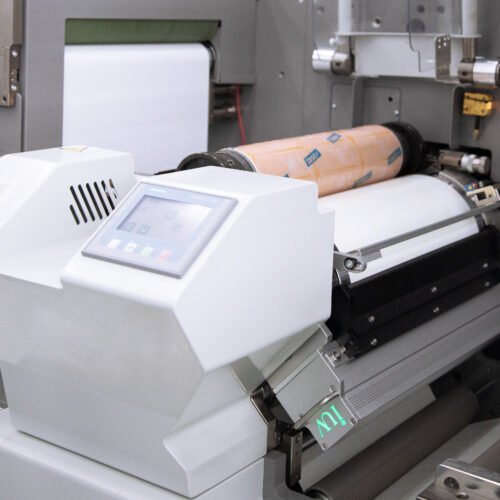
The shift to LED curing systems in high-volume printing is no longer just a trend; it’s a strategic advantage. Businesses seeking to optimize their operations and reduce overhead are increasingly turning to this advanced technology. The benefits are substantial, particularly for label printing, flexography, and offset printing applications. Understanding these advantages can significantly impact your bottom line.
Immediate Energy Savings are a Major Draw
One of the most significant cost reductions comes from energy consumption. Traditional UV curing systems, often mercury-based lamps, are notoriously power-hungry. They generate considerable heat and require substantial electricity to operate. LED curing systems, however, are far more energy-efficient. They use a fraction of the power to achieve the same or even better curing results. This direct reduction in electricity bills is a tangible benefit that starts from day one. For a high-volume printing operation, where curing systems run for extended periods, these energy savings can amount to thousands of dollars annually.
Extended Lamp Lifespan Dramatically Cuts Replacement Costs
Another critical cost factor in traditional UV curing is lamp replacement. Mercury lamps have a limited lifespan. They degrade over time, losing their effectiveness and requiring frequent replacement. This not only incurs the cost of the lamps themselves but also the downtime associated with changing them. LED curing systems boast an incredibly long operational life, often tens of thousands of hours. This longevity means far fewer replacements, significantly reducing maintenance costs and minimizing production interruptions. The extended lifespan translates directly into higher uptime and more consistent production output.
Reduced Heat Output Simplifies Operations and Lowers Cooling Needs
The heat generated by traditional mercury lamps is a considerable issue. It can affect the substrate, requiring additional cooling systems to prevent distortion or damage. This adds to energy consumption and complexity. LED curing systems emit very little heat. This characteristic is a game-changer for printing on heat-sensitive materials, such as thin films or certain plastics commonly used in label printing. The reduced heat also means less strain on your printing equipment and potentially less need for extensive ventilation or cooling infrastructure, further contributing to operational savings.
Faster Curing Speeds Enhance Throughput and Productivity
LED technology allows for much faster curing speeds. The focused wavelengths of UV light emitted by LEDs can cure inks and coatings more rapidly and efficiently than broad-spectrum mercury lamps. This increased speed is a direct boost to productivity in high-volume printing environments. For label printing and narrow web applications, where quick turnaround times are paramount, faster curing means more jobs can be completed in the same amount of time. This enhanced throughput can lead to higher revenue generation and better utilization of existing printing press capacity.
Improved Ink and Coating Performance
LED curing systems are designed to emit specific wavelengths of UV light that are optimized for LED-curable inks and coatings. This precise control over the light spectrum can lead to improved ink adhesion, better scratch resistance, and enhanced overall coating performance. While not a direct monetary saving, improved print quality reduces waste due to defects and rework. This leads to fewer customer complaints and a stronger reputation for quality, which indirectly contributes to cost savings through reduced waste and increased customer loyalty.
Environmental Benefits Contribute to Long-Term Value
Beyond immediate financial gains, LED curing systems offer significant environmental advantages. They are mercury-free, eliminating the hazardous waste associated with traditional lamps. Their lower energy consumption also means a smaller carbon footprint. While these benefits may not appear on a direct invoice, they align with growing corporate sustainability goals and can contribute to a more positive brand image. Increasingly, customers and regulatory bodies are prioritizing environmentally responsible manufacturing processes.
Integration into Different Printing Processes
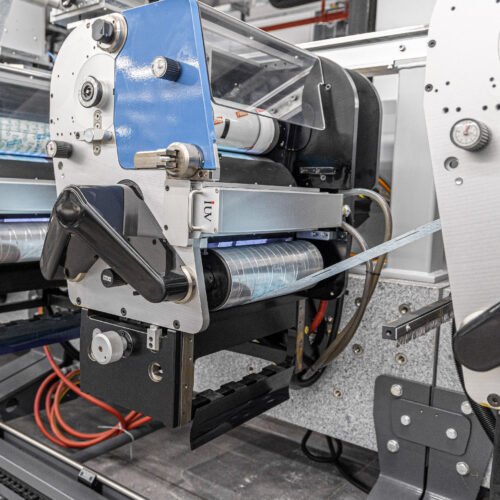
The adaptability of LED curing technology makes it suitable for a wide range of printing applications. In flexographic printing, particularly for narrow web labels and packaging, LEDs offer rapid curing that keeps pace with high press speeds without overheating the substrate. This is crucial for maintaining print quality and preventing register issues.
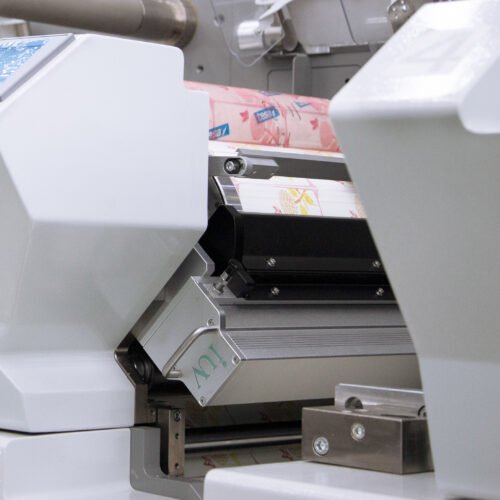
For offset printing, LED curing can be implemented on sheetfed and web presses. It enables faster job changeovers and eliminates the need for extensive drying times or inter-stage cooling. This is a significant advantage for commercial printers handling a diverse range of short to medium runs.
In the realm of label printing, where variety and speed are king, LED curing shines. It allows printers to handle a multitude of substrates and ink types with consistent, high-quality results. The ability to cure instantly on demand speeds up production and reduces the risk of smudging or transferring ink during handling.
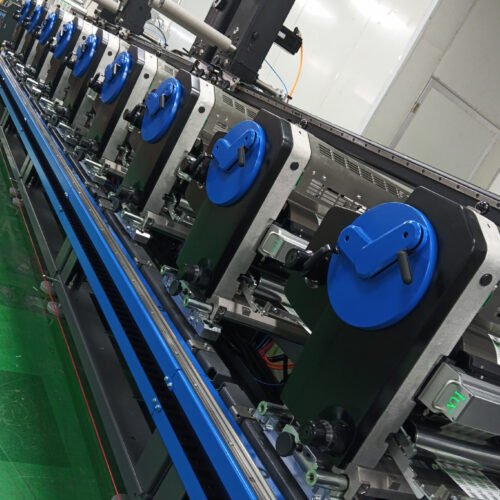
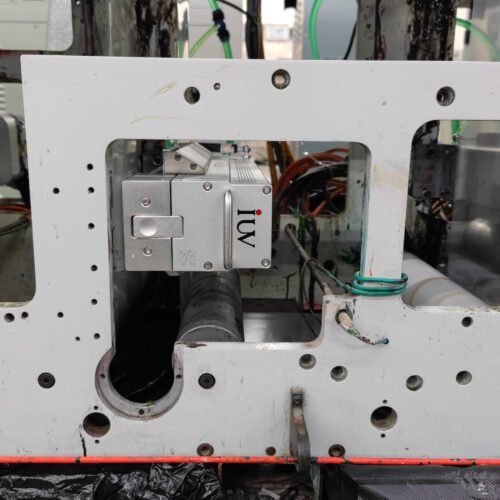
Narrow web printing, often synonymous with label and flexible packaging production, benefits immensely. The compact nature of LED curing units allows for easy retrofitting onto existing presses. Their efficient energy use and long lifespan make them ideal for the demanding, continuous operation characteristic of narrow web production lines.
Making the Switch: A Strategic Investment
While the initial investment in LED curing systems may seem higher than traditional UV lamps, the long-term cost savings are undeniable. The reduction in energy bills, the extended lifespan of the curing units, the decreased maintenance, and the improved productivity all contribute to a compelling return on investment. For printing businesses looking to remain competitive in a high-volume market, embracing LED curing technology is not just about keeping up; it’s about getting ahead. The benefits extend beyond just cost savings, impacting operational efficiency, product quality, and environmental responsibility. This makes it a strategic decision that pays dividends over time.