Elevate Your Offset Prints with Optimal LED UV Curing
Achieving superior offset print quality hinges on many factors. Ink application, substrate choice, and press settings all play vital roles. However, the curing process, especially with modern LED UV technology, offers a significant opportunity for enhancement. Proper LED UV curing configurations are not just about drying ink; they are about perfecting the final output for labels, flexible packaging, and commercial applications.
Understanding LED UV Curing for Offset Printing
LED UV curing utilizes ultraviolet light to instantly polymerize UV-curable inks and coatings. Unlike traditional heat or solvent drying, LED UV offers a faster, more efficient, and environmentally friendly solution. This technology is particularly beneficial in offset printing, where precise control over ink properties is paramount. The rapid curing process locks in ink dot gain, prevents smudging, and allows for immediate post-press handling.
Key Components of an LED UV Curing System
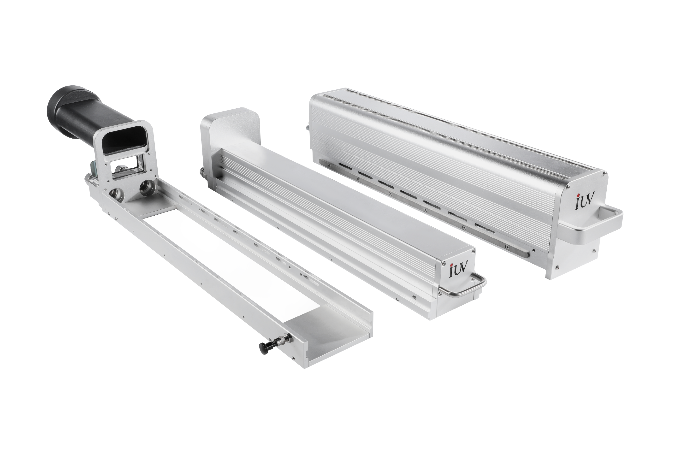
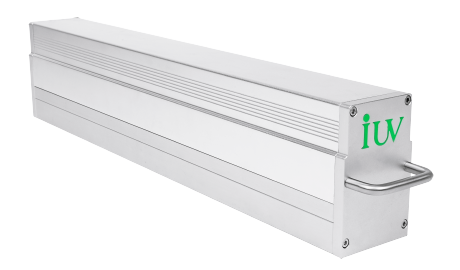
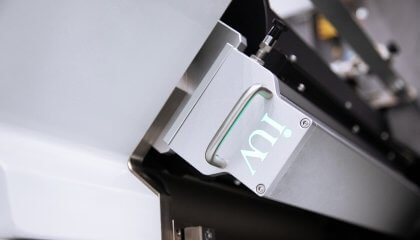
A robust LED UV curing setup involves several critical components. The LED lamps themselves are the heart of the system, emitting specific wavelengths of UV light. The power supply ensures consistent energy delivery. The cooling system prevents overheating, maintaining optimal performance. Finally, the control interface allows for precise adjustment of parameters like intensity and exposure time. Each element must be harmonized for peak efficiency.
Wavelength Selection for Superior Ink Performance
The wavelength of LED UV light is a crucial determinant of curing effectiveness. Different UV inks are formulated to react to specific wavelengths. For offset printing, common LED UV wavelengths include 365 nm, 385 nm, 395 nm, and 405 nm. Selecting the correct wavelength that matches your ink formulation is fundamental. Mismatched wavelengths can lead to incomplete curing, resulting in poor adhesion, reduced scratch resistance, and compromised print durability. Always consult your ink manufacturer for their recommended wavelength.
Intensity and Power: The Curing Engine
The intensity, often measured in Watts per square centimeter (W/cm²), dictates the energy delivered to the ink. Higher intensity generally leads to faster and more complete curing. However, excessive intensity can damage heat-sensitive substrates or cause premature aging of the LED lamps. The power of the LED system, measured in Watts per linear inch (W/in), influences the overall curing speed and the width of the curing zone. Finding the right balance between intensity and power ensures efficient curing without adverse effects on the print or substrate.
Dosage: The Critical Curing Equation
Dosage is the total amount of UV energy delivered to the ink surface. It is a function of intensity and exposure time. A higher dosage generally results in a more thoroughly cured ink layer. For offset printing, this translates to inks that are fully cross-linked, providing optimal gloss, chemical resistance, and rub resistance. The correct dosage prevents issues like blocking (ink transfer between printed surfaces) and ensures the longevity of the printed product. Precise control over dosage is a hallmark of effective LED UV curing.
Integrating LED UV into Offset Presses
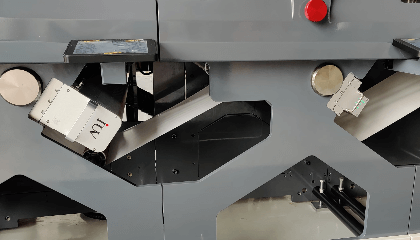
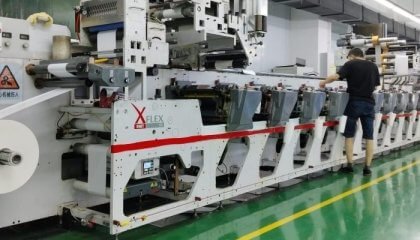
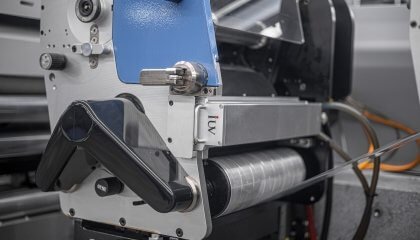
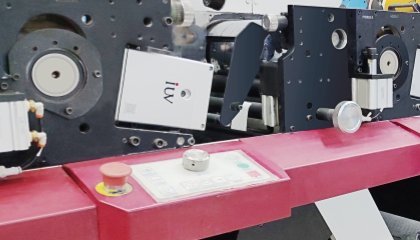
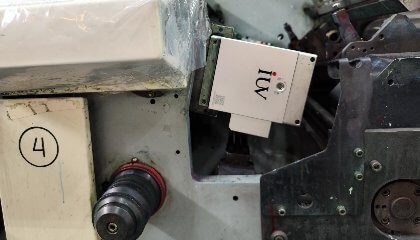
Integrating LED UV curing units into offset presses requires careful consideration of the press speed and ink type. Narrow web presses, commonly used for label printing, benefit greatly from the speed and efficiency of LED UV. The compact nature of LED units allows for easy retrofitting into existing press configurations. For wider web offset presses, especially those used in commercial printing or packaging, multiple curing units may be necessary to ensure complete coverage across the web width.
Specific Applications: Labels, Narrow Web, and Beyond
Label Printing: In the competitive label market, speed and quality are paramount. LED UV curing enables faster press speeds for label printers, allowing for immediate cutting and finishing without ink smudging. This boosts productivity significantly. The sharp, vibrant colors achievable with UV inks, combined with the durability imparted by LED UV curing, make it ideal for high-quality labels.
Narrow Web Offset: Narrow web presses are the workhorses for many label and flexible packaging applications. LED UV curing integrates seamlessly, offering instant drying and enabling a wide array of special effects, such as spot UV coatings and metallic inks, with excellent definition. The environmental benefits, with no VOC emissions, also align with industry trends.
Commercial Offset: While traditionally using conventional inks, commercial offset printers are increasingly exploring LED UV for enhanced print quality and faster turnaround times. The ability to print on a wider range of substrates, including non-absorbent materials like plastics, opens new market opportunities. Precise ink control afforded by LED UV enhances the visual appeal of brochures, flyers, and other marketing collateral.
Optimizing Configurations for Different Substrates
The choice of substrate significantly impacts LED UV curing configuration. Porous substrates like uncoated paper absorb ink differently than non-porous plastics or films. For non-absorbent materials, higher UV intensity and dosage are often required to ensure complete surface cure. For heat-sensitive substrates, lower intensity settings and efficient cooling are crucial to prevent warping or damage. Always test your curing parameters on the specific substrate you are using.
The Benefits of Advanced LED UV Technology
Modern LED UV systems offer advanced features that further enhance offset print quality. These include variable intensity control, allowing for on-the-fly adjustments to match changing job requirements. Pulsed curing technology can optimize energy delivery for specific ink types. Furthermore, the long lifespan and low energy consumption of LED lamps contribute to reduced operational costs and a more sustainable printing process.
Troubleshooting Common LED UV Curing Issues
Even with the best configurations, occasional issues can arise. Under-curing might manifest as tacky prints or poor adhesion. This could be due to incorrect wavelength, insufficient intensity, or improper dosage. Over-curing, though less common, can lead to brittleness. Checking ink compatibility, lamp performance, and ensuring proper cleaning and maintenance of the UV system are key to preventing and resolving such problems.
Conclusion: The Future of Offset Print Quality
LED UV curing is not merely an accessory; it is an integral component of modern offset printing. By understanding and optimizing LED UV curing configurations—from wavelength and intensity to dosage and integration—printers can unlock new levels of print quality, efficiency, and substrate versatility. Embracing this technology is a strategic move towards a more productive, sustainable, and high-quality future in offset printing.