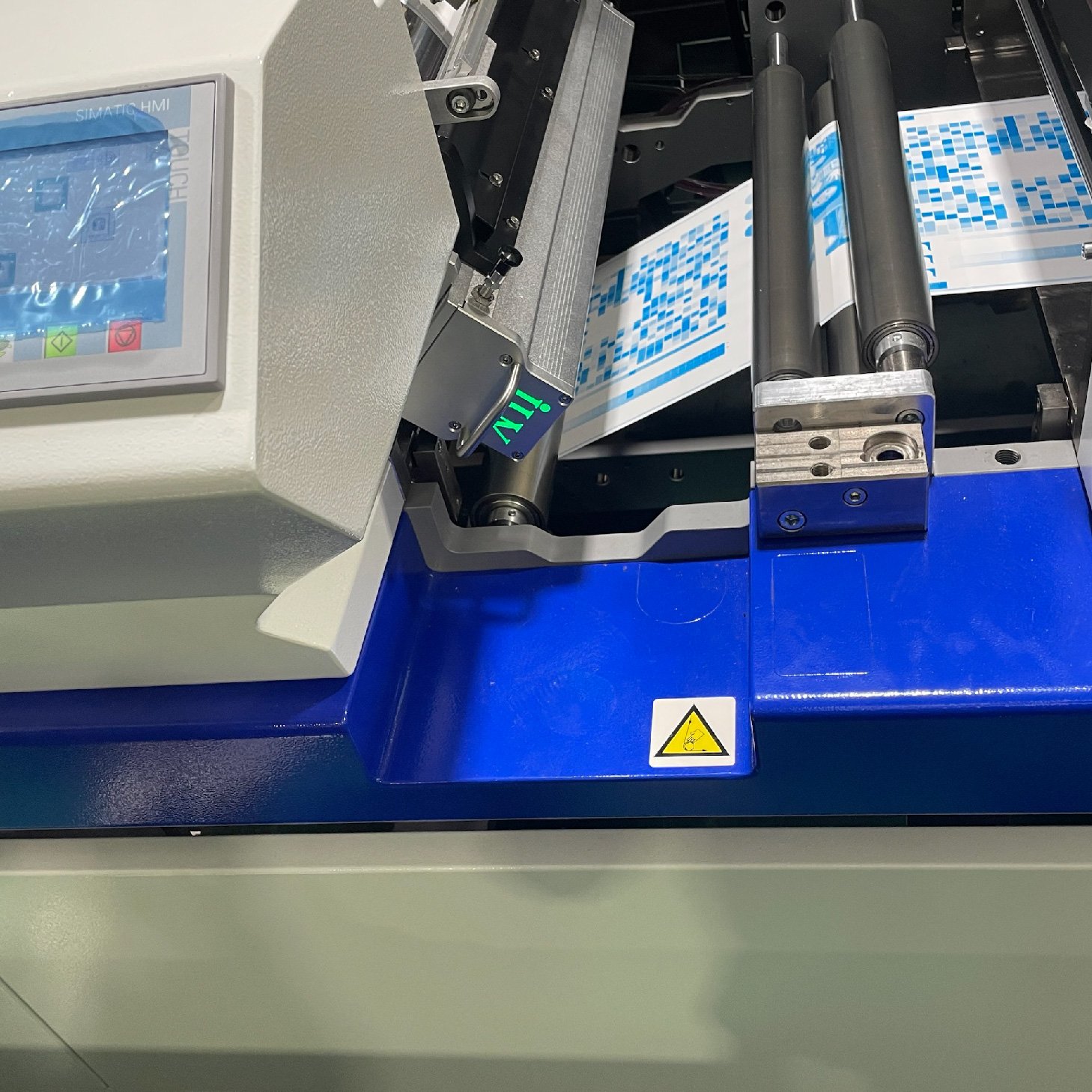
High-speed narrow web printing demands efficiency and quality. Achieving both requires the right technology. UV curing systems offer significant advantages for label printers. They enhance productivity and improve the final product. Let’s explore how these systems benefit narrow web operations.
Understanding UV Curing in Printing
UV curing uses ultraviolet light. This light initiates a photochemical reaction. It instantly solidifies inks and coatings. This process is much faster than traditional drying methods. For narrow web printing, speed is paramount. Every second saved translates to increased output.
Key Benefits for High-Speed Narrow Web Printing
One of the primary benefits is speed. UV inks cure almost instantaneously. This means faster press speeds are achievable. Printers can produce more labels in less time. This directly impacts profitability. Higher throughput means more orders can be processed. It also allows for quicker turnaround times. This is a significant competitive advantage.
Another crucial benefit is print quality. UV cured inks offer excellent adhesion. They also provide superior scratch and chemical resistance. This is vital for labels that undergo harsh conditions. Think about labels on cleaning products or automotive parts. They need to withstand friction and exposure. UV curing ensures the print remains vibrant and intact. The inks also lay down sharply, producing crisp details. This enhances the overall visual appeal of the label.
Energy Efficiency and Environmental Impact
LED UV curing systems are particularly noteworthy. They are highly energy-efficient. Compared to traditional mercury lamp UV systems, LEDs consume far less power. This leads to lower operating costs. It’s a win for both the printer’s budget and the environment.
Furthermore, UV inks are typically 100% solids. This means they contain no volatile organic compounds (VOCs). Traditional solvent-based inks release VOCs into the atmosphere. This can be harmful to health and the environment. UV curing eliminates this issue. It contributes to a safer and cleaner working environment. This aligns with growing environmental regulations and consumer preferences for sustainable products.
Versatility and Substrate Compatibility
UV curing technology is versatile. It works well with a wide range of substrates. This includes paper, various plastics, and even some metals. For narrow web printing, this flexibility is invaluable. Printers can handle diverse customer requirements without needing multiple ink systems or press setups. The ability to print on non-porous materials is a major plus. This opens up new market opportunities.
The instant curing nature of UV also prevents ink from soaking into porous substrates. This maintains ink density and color vibrancy on the surface. It’s essential for achieving high-impact graphics.
Reduced Production Waste
The instant cure also minimizes ink set-off. This is a common problem in printing. Ink transfers from one printed surface to another. UV curing eliminates this issue. It reduces the need for inter-station drying. This also means less material is wasted due to smudging or damage during handling. Consequently, printers experience lower production waste. This contributes to improved cost-effectiveness.
Lower Heat Generation
Compared to hot air drying, UV curing generates less heat. This is important when printing on heat-sensitive substrates. Thin films or certain plastics can deform or degrade with excessive heat. UV curing systems, especially LED UV, produce minimal heat. This allows for printing on a wider variety of materials. It also prevents potential damage to the substrate during the printing process.
Flexographic Printing and UV Curing
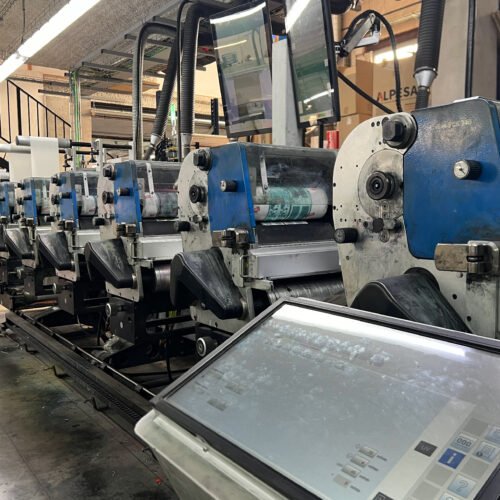
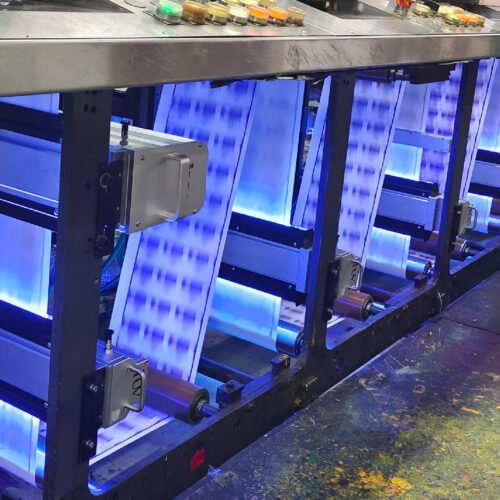
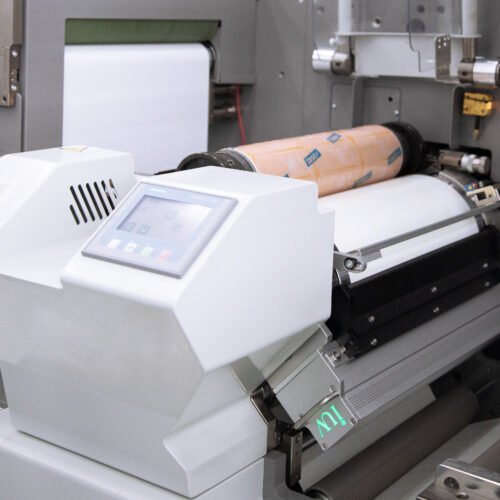
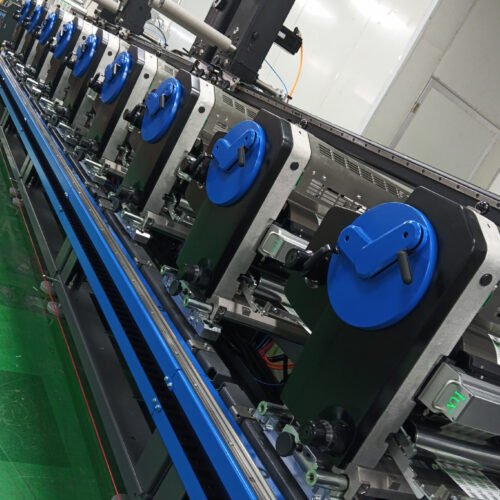
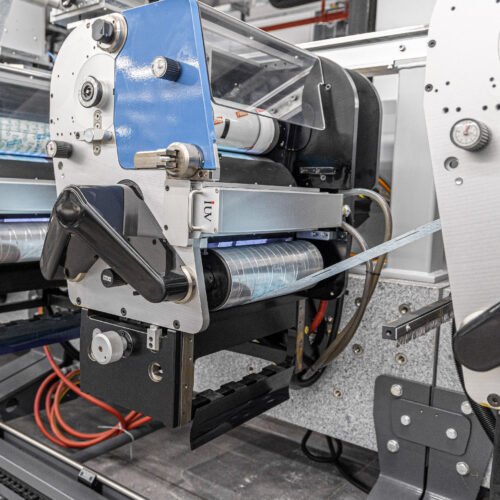
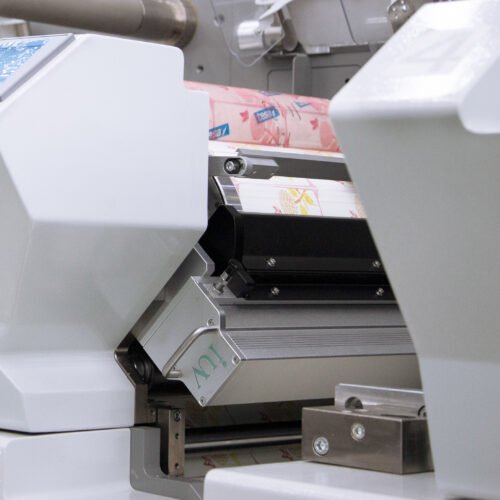
Flexography is a dominant printing method in narrow web label production. UV curing systems integrate seamlessly with flexo presses. They are available in various configurations. These include arc lamps and LED arrays. UV inks for flexo are formulated for fast curing. They provide excellent adhesion and durability. The combination of flexo and UV allows for high-quality, efficient label printing. It supports demanding production schedules.
Offset Printing and UV Curing
Sheetfed offset is also used in some narrow web applications. UV curing is equally beneficial here. It allows for instant handling of printed sheets. This is especially useful for short-run jobs or specialty labels. The ability to stack or process immediately after printing speeds up post-press operations. This enhances overall workflow efficiency.
Ink and Coating Options
The range of UV curable inks and coatings is extensive. This includes process colors, spot colors, varnishes, and specialty coatings. These can provide different finishes, from matte to high gloss. They can also offer special effects like textured or metallic finishes. This allows printers to create visually appealing and functional labels. The development of low-migration UV inks is also crucial. This is for food packaging labels where safety is a top concern.
The Rise of LED UV Technology
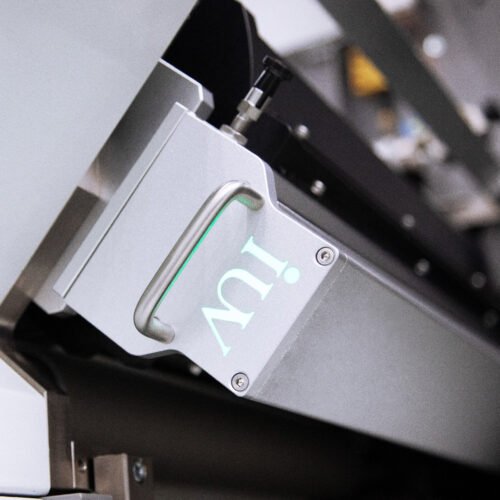
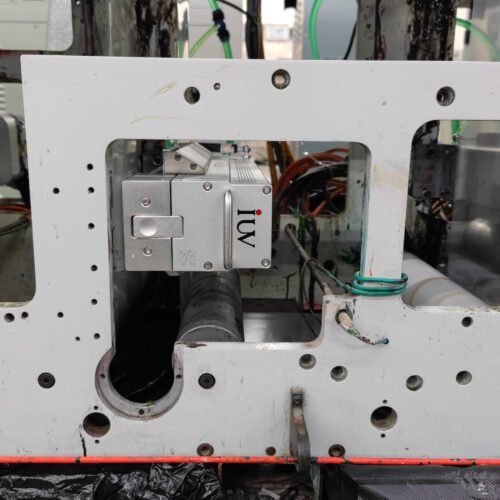
LED UV curing technology represents a significant advancement. LEDs offer several advantages over traditional mercury lamps. They have a longer lifespan. They require less maintenance. They are instant on/off, which saves energy. They also produce a more focused spectrum of UV light. This can lead to more efficient curing. LED systems are also more compact. This makes them easier to integrate into existing narrow web presses. Their lower heat output is another considerable advantage. This makes them ideal for sensitive substrates.
Considerations for Implementation
When implementing UV curing systems, several factors should be considered. These include the press speed, the type of inks and coatings used, and the substrate material. Proper ventilation is also important, even with VOC-free inks. Training for press operators on the specific requirements of UV curing is essential. Understanding the curing parameters—like lamp intensity and exposure time—is critical for achieving optimal results.
Conclusion
UV curing systems offer a powerful solution for high-speed narrow web printing. They deliver enhanced speed, superior print quality, and improved durability. The energy efficiency and environmental benefits, particularly with LED UV technology, make them an attractive choice. The versatility in substrate compatibility and the wide array of ink and coating options allow printers to meet diverse market demands. Integrating UV curing can significantly boost productivity and profitability in the competitive label printing landscape. It’s a technology that continues to evolve, offering even greater possibilities for print innovation.