<!-- Meta Pixel Code --> <!-- 结束元像素代码 -->

The Advantages of Modular Design in Modern LED UV Curing Systems

The Advantages of Modular Design in Modern LED UV Curing Systems

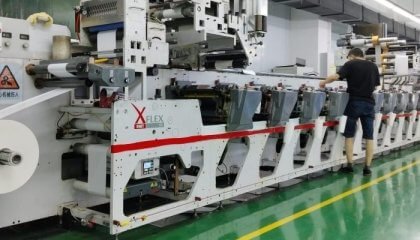
The printing industry is constantly evolving, pushing the boundaries of efficiency, quality, and versatility. In this dynamic landscape, narrow web printing, flexographic printing, offset printing, and label printing operations are always seeking innovative solutions. One such innovation making significant waves is the modular design approach in modern LED UV curing systems. This design philosophy offers a host of benefits that directly translate to enhanced performance and adaptability for printers.

Enhanced Flexibility and Scalability

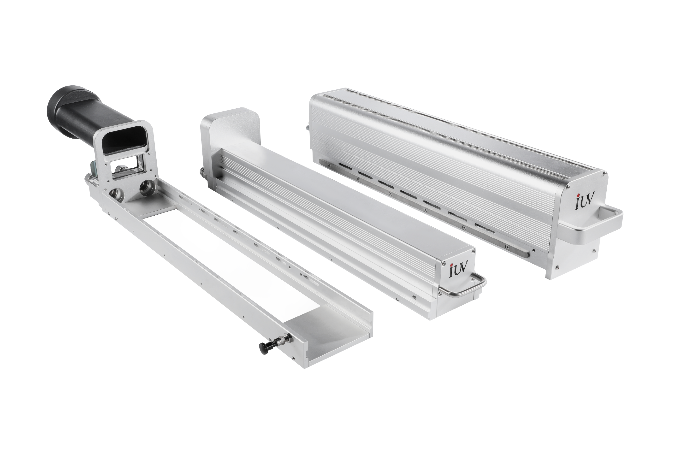
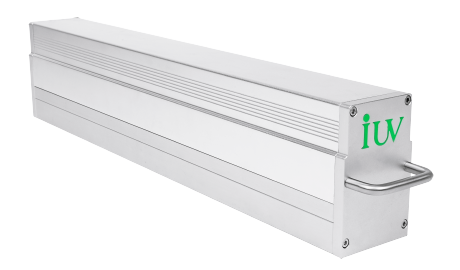
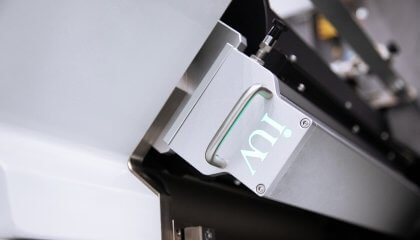
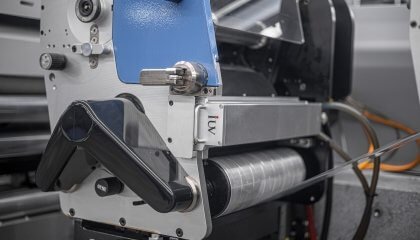
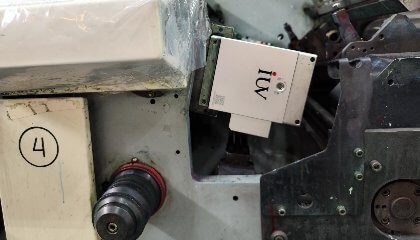
At its core, modular design means a system is built from independent, interchangeable units. For LED UV curing, this translates to a system composed of individual curing modules. Each module can be a self-contained unit with its own LED array, power supply, and control electronics. This inherent flexibility is a game-changer for printing businesses.

Consider a narrow web printer that currently runs a specific job requiring a certain amount of UV energy. With a modular system, they can install the exact number of modules needed for that particular application. If a new, more demanding job comes in, requiring higher energy levels or a longer cure window, they don’t need to replace the entire curing unit. Instead, they can simply add more modules to the existing line. This scalability means that printing operations can grow and adapt to changing market demands without massive capital expenditure. It’s a future-proof solution that allows businesses to invest incrementally.

Optimized Performance for Diverse Applications

Different printing processes and applications necessitate varying UV curing profiles. A flexographic printer might require a fast, high-intensity cure for specific inks and coatings, while an offset printer running labels might need a more uniform cure across a wider substrate. Modular LED UV systems excel in catering to this diversity.

Each module can often be individually controlled, allowing printers to fine-tune the UV output and wavelength for each specific print station. This precise control is crucial for achieving optimal cure on a wide range of substrates, including films, papers, and foils, common in label and narrow web printing. It prevents under-curing, which leads to poor adhesion and scuffing, and over-curing, which can cause substrate damage or color shift. For businesses involved in short-run, high-mix label production, this granular control is invaluable.

Reduced Downtime and Easier Maintenance

When a component in a traditional, integrated UV curing system fails, the entire unit might need to be taken offline for repair, leading to significant production downtime. Modular systems dramatically reduce this risk. If one module experiences an issue, it can be quickly isolated and replaced with a spare unit.

This hot-swappable capability means that production can often continue with minimal interruption. Maintenance becomes a simpler, more efficient process. Instead of complex troubleshooting of a large, integrated system, technicians can diagnose and replace individual modules. This streamlined approach not only minimizes costly downtime but also reduces the need for highly specialized, on-site repair personnel. For print shops, especially those operating multiple presses, this reduction in downtime directly impacts profitability.

Cost-Effectiveness Over Time

While the initial investment in a modular system might seem comparable to a traditional one, the long-term cost-effectiveness is often superior. The ability to scale up by adding modules rather than replacing entire systems saves significant capital. Furthermore, the reduced downtime and more efficient maintenance translate directly into lower operational costs.

Energy efficiency is another key advantage. Modern LED UV curing systems are inherently more energy-efficient than older mercury lamp systems. Modular designs often build upon this efficiency, allowing printers to power only the modules that are actively in use for a particular job. This targeted energy delivery not only saves on electricity bills but also reduces heat generation, which can be beneficial for heat-sensitive substrates.

Technological Advancements and Future-Proofing

The LED UV curing technology itself is rapidly advancing. New LED arrays offer higher power, more specific wavelengths, and longer lifespans. A modular design allows printing companies to easily upgrade individual modules as newer, more advanced technology becomes available. This prevents the entire curing system from becoming obsolete.

Printers can selectively upgrade to modules with higher intensity, better beam uniformity, or specific spectral outputs tailored for emerging ink and coating technologies. This ease of upgrading ensures that the printing operation remains competitive and capable of handling the latest innovations in print technology without requiring a complete overhaul of their curing infrastructure. It’s an investment that continues to yield returns as technology progresses.

Improved Print Quality and Consistency

Achieving consistent, high-quality prints is paramount in label printing, flexographic, and offset applications. Modular LED UV curing systems contribute significantly to this goal. The precise control over UV output from each module ensures uniform curing across the entire printed width. This uniformity is critical for achieving consistent ink adhesion, gloss levels, and color reproduction, job after job.

Furthermore, the controlled energy delivery minimizes issues like web shrinkage or substrate deformation that can occur with excessive heat from older curing technologies. This leads to sharper print details and better registration, especially important for multi-color jobs and intricate label designs. The ability to tailor the cure profile to specific inks, coatings, and substrates allows printers to push the envelope on creative finishes and demanding applications.

Environmental Benefits and Safety

LED UV curing is inherently a greener technology compared to traditional methods. It doesn’t use mercury, a hazardous substance found in older UV lamps. Furthermore, LED systems operate at lower temperatures, reducing energy consumption and the associated carbon footprint.

The modular nature of these systems can further enhance these environmental benefits. By only activating the necessary modules, energy usage is minimized. Additionally, the reduced heat generation can lead to a more comfortable and safer working environment for press operators. The contained nature of individual modules also often improves safety by reducing operator exposure to UV light.

Integration with Modern Presses

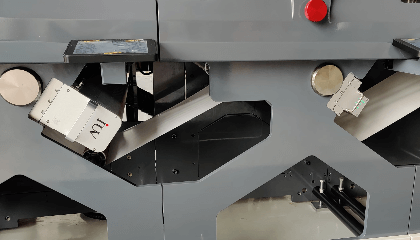
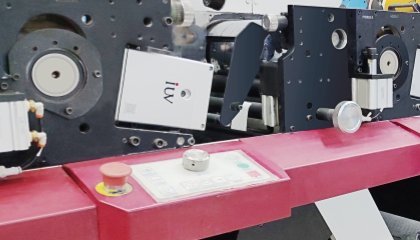
Modern printing presses, whether for narrow web, flexo, or offset applications, are increasingly sophisticated, featuring advanced automation and control systems. Modular LED UV curing systems are designed to integrate seamlessly with these advanced presses. They often come with sophisticated interfaces that allow for easy integration with the press’s control software.

This integration allows for centralized control and monitoring of the entire printing process, including the UV curing stations. Parameters can be set and adjusted directly from the press console, further streamlining operations and reducing the need for manual intervention. This level of integration is essential for achieving maximum efficiency and uptime in today’s highly automated print shops.

In conclusion, the advantages of modular design in modern LED UV curing systems are far-reaching for the printing industry. From unparalleled flexibility and scalability to optimized performance, reduced downtime, cost-effectiveness, and improved print quality, these systems offer a compelling solution for businesses looking to stay ahead. Whether you are operating in narrow web, flexographic, offset, or general label printing, embracing modular LED UV curing technology represents a strategic investment in efficiency, adaptability, and future success.

Contact IUV Curing Experts

滚动至顶部