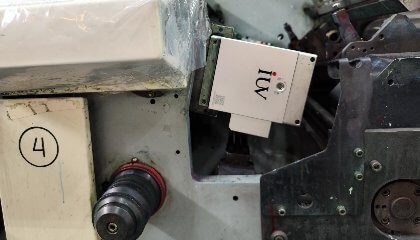
The modern printing industry thrives on speed, quality, and efficiency. In a competitive landscape, streamlining the entire print-to-finish process is no longer a luxury but a necessity. For businesses involved in label printing, flexography, and offset printing, especially within the narrow web sector, optimizing each step from ink application to the final product is paramount. One of the most impactful advancements in achieving this is the integration of automated UV curing systems. These systems offer a transformative approach to drying and curing inks, coatings, and adhesives, directly addressing bottlenecks and improving overall production flow.
The Challenge of Traditional Drying Methods
Historically, printers relied on a variety of drying methods, including heat, air knives, and infrared (IR) lamps. While these have served the industry for decades, they often present significant limitations. Heat-based systems, for instance, can require substantial energy consumption and can sometimes lead to substrate distortion, particularly with heat-sensitive materials common in label and flexible packaging applications. Air knives, while effective for some applications, can be noisy and may not provide a complete cure for certain ink formulations. IR lamps, though faster than convection drying, still generate considerable heat and can have uneven curing profiles, leading to quality inconsistencies.
These traditional methods often introduce delays. Prints might need to cool down before further processing, or multiple drying passes might be required, extending job turnaround times. Furthermore, the space these drying units occupy can be considerable, impacting factory layout and workflow.
The Advent of UV Curing Technology
UV curing technology utilizes ultraviolet light to initiate a photochemical reaction that instantly solidifies or “cures” inks, coatings, and adhesives. This process offers several inherent advantages over thermal drying. Firstly, it’s an instantaneous process. As soon as the UV light strikes the specially formulated ink or coating, it cures, eliminating the need for cooling time. This dramatically speeds up the transition to subsequent finishing processes like cutting, slitting, or laminating.
Secondly, UV curing generates very little heat. This is a significant benefit when working with delicate or heat-sensitive substrates, preventing shrinkage, warping, or delamination. It also contributes to a safer working environment with less heat buildup.
Thirdly, UV cured inks and coatings typically offer superior performance characteristics. They are often more durable, scratch-resistant, chemical-resistant, and possess higher gloss levels compared to their conventionally dried counterparts. This directly translates to higher quality finished products that meet demanding customer specifications.
The Power of Automation in UV Curing
While UV curing itself is a powerful technology, its true potential for streamlining print-to-finish is unlocked through automation. Automated UV curing systems are designed to seamlessly integrate into the printing press and finishing equipment, creating a continuous, uninterrupted production line.
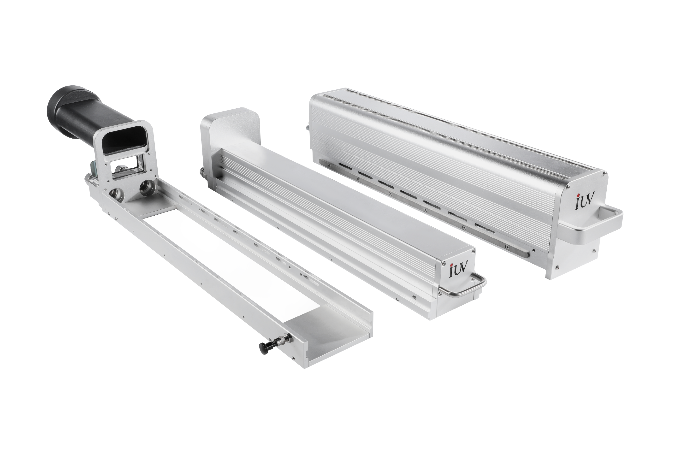
Key components of automated UV curing systems include:
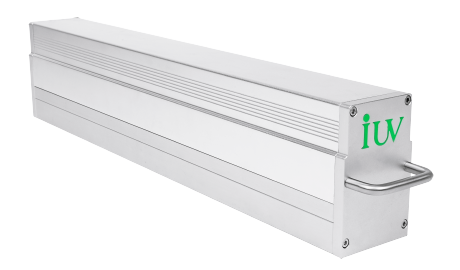
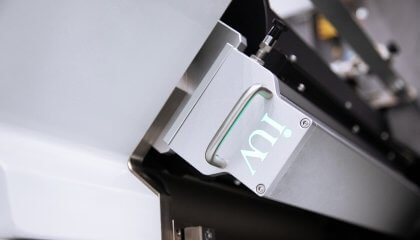
- UV Lamps: These are the heart of the system, emitting specific wavelengths of UV light. Modern systems often employ LED UV lamps, which offer distinct advantages over traditional mercury vapor lamps.
- Power Supplies and Control Systems: These manage the energy output of the lamps, allowing for precise control over the curing intensity and exposure time, crucial for different inks and substrates.
- Cooling Systems: While UV curing generates less heat than thermal methods, efficient cooling of the lamps and the printing substrate is still important for optimal performance and longevity of the equipment.
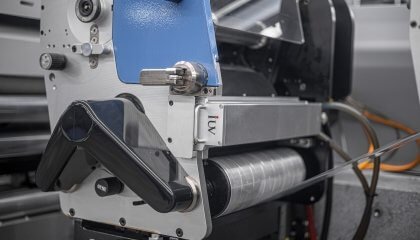
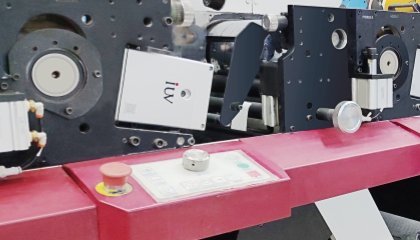
- Integration Mechanisms: These are the interfaces that allow the UV curing unit to be physically and electronically connected to the printing press or finishing machine.
LED UV: The Future of Automated Curing
Within automated UV curing, Light Emitting Diode (LED) UV technology has emerged as a game-changer, particularly for narrow web, flexographic, and offset label printing. Unlike traditional mercury vapor lamps that emit a broad spectrum of UV light and significant heat, LEDs emit a highly focused spectrum of UV light. This focused emission leads to more efficient and consistent curing.
Advantages of LED UV systems:
- Energy Efficiency: LEDs consume significantly less energy than mercury lamps, leading to lower operating costs and a reduced environmental footprint.
- Longer Lifespan: LED lamps have a much longer operational life, often tens of thousands of hours, reducing maintenance and replacement costs.
- Instant On/Off: LEDs can be switched on and off instantly, eliminating warm-up and cool-down times and allowing for precise curing control on demand. This is invaluable for short runs and job changes.
- Low Heat Emission: The low heat output of LEDs is ideal for heat-sensitive substrates and reduces the risk of premature drying or curing of inks on the printing plates.
- Compact Size: LED UV curing units are often more compact, making them easier to integrate into existing press configurations or new installations, especially on narrow web presses where space is at a premium.
- Wavelength Specificity: LEDs can be manufactured to emit specific wavelengths, allowing for optimized curing of particular UV ink and coating formulations.
Streamlining Specific Printing Processes
Let’s look at how automated UV curing, especially with LED technology, directly benefits different printing sectors:
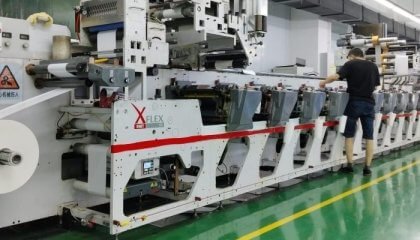
1. Narrow Web and Label Printing: This sector often deals with high-volume production of labels for diverse applications, requiring speed and accuracy. Automated UV curing systems, particularly LED UV, allow label printers to achieve faster press speeds. The instantaneous curing means that printed webs can immediately move to the next station for die-cutting, slitting, or applying varnishes without any delay. This eliminates the need for long cooling tunnels, freeing up valuable press space and allowing for quicker job changeovers. The ability to cure on heat-sensitive films and foils is also a significant advantage.
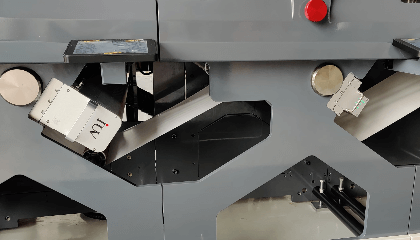
2. Flexographic Printing: Flexography, widely used for packaging, labels, and flexible films, benefits immensely from the speed and quality improvements offered by automated UV curing. In multi-color flexo presses, each printing station can be equipped with its own UV curing unit. This allows for wet-on-wet printing, where successive inks are printed and cured immediately, preventing ink trapping issues and enabling vibrant, opaque colors. The precise control of LED UV also ensures consistent ink density and dot gain, crucial for high-resolution graphics.
3. Offset Printing (Sheet-fed and Web): While traditionally associated with longer drying times, offset printing is increasingly adopting UV curing for enhanced performance and faster turnaround. For web offset printing, especially in applications like commercial printing or packaging, automated UV curing systems enable immediate finishing. This means printed rolls can be cut, folded, or bound much faster. In sheet-fed offset, UV curing allows for immediate stacking of sheets, eliminating slip sheeting and reducing the risk of smudging, particularly with heavy ink coverage or specialty coatings.
Benefits Beyond Speed: Quality and Cost Savings
The advantages of automated UV curing extend beyond simply speeding up the process:
- Improved Print Quality: Consistent and complete curing leads to sharper images, better color reproduction, and enhanced durability. Reduced heat means less substrate distortion, leading to more accurate registration and cutting.
- Reduced Waste: Faster drying and curing mean less ink and coating buildup on equipment, fewer errors due to improper drying, and quicker identification and correction of issues.
- Cost Reduction: Lower energy consumption (especially with LEDs), reduced waste, and increased throughput all contribute to significant cost savings. The longer lifespan of LED lamps also reduces maintenance expenditure.
- Environmental Benefits: Energy efficiency and the absence of volatile organic compounds (VOCs) in UV inks make UV curing a more environmentally friendly option compared to some solvent-based systems.
- Enhanced Product Functionality: UV curable coatings can provide specialized protective layers, such as scratch resistance, heat resistance, or barrier properties, adding significant value to the final product.
Implementing Automated UV Curing: Key Considerations
When considering the integration of automated UV curing systems, several factors are important:
- Substrate Compatibility: Ensure the chosen UV system and ink formulations are compatible with the range of substrates you intend to print.
- Ink and Coating Selection: UV inks and coatings are specifically formulated for UV curing. Work with your ink suppliers to select products that meet your performance and curing requirements.
- Curing Requirements: Different inks and coatings require specific UV wavelengths and energy levels for optimal curing. Ensure the UV system can deliver the necessary parameters.
- Press Integration: The physical and electrical integration of the UV curing unit into your existing press or finishing line needs careful planning. Consult with equipment manufacturers for seamless installation.
- Operator Training: Proper training for operators on the use, maintenance, and safety aspects of UV curing systems is essential for maximizing performance and ensuring safety.
Conclusion
In the relentless pursuit of efficiency and quality in the printing industry, automated UV curing systems, particularly those employing LED technology, stand out as a pivotal innovation. By offering instant, low-heat curing, these systems dramatically streamline the print-to-finish process across label, flexographic, and offset printing applications. They not only accelerate production cycles and reduce operational costs but also elevate the quality and durability of the final printed product. For any printing business looking to gain a competitive edge, embracing automated UV curing is a strategic move towards a faster, more efficient, and ultimately more profitable future.