The foundation of any successful print job lies in the substrate. For UV inks, the surface energy of the material plays a critical role in ink adhesion. High surface energy generally promotes better ink wetting and adhesion, leading to sharper dots and more vibrant colors. Conversely, low surface energy materials may require surface treatments, such as corona or plasma treatment, to increase their receptivity to UV inks.
In high-speed printing, the consistency of substrate treatment is paramount. Variations can lead to patchy ink laydown or poor adhesion, necessitating slower speeds or rework. For narrow web printing, common substrates include various papers, films like BOPP and PET, and even some specialized plastics. Each has unique properties that interact differently with UV inks and curing systems. Understanding these interactions is the first step in optimization.
UV Ink Formulation and Viscosity
The formulation of UV inks is complex, involving monomers, oligomers, photoinitiators, pigments, and additives. For high-speed printing, inks must be designed to flow and transfer efficiently under demanding conditions. Viscosity is a key parameter here. It affects how the ink transfers from the anilox roll (in flexography) or the plate (in offset) to the substrate.
Too high a viscosity can lead to poor ink transfer, misting at high speeds, and an inability to achieve fine detail. Too low a viscosity might result in ink spreading, weak color strength, and excessive ink consumption. Adjusting viscosity often involves careful selection of monomers and additives. Rheology modifiers can be employed to achieve the desired flow characteristics that remain stable across a range of temperatures encountered during high-speed runs.
Curing Technology: LED UV vs. Mercury Lamps
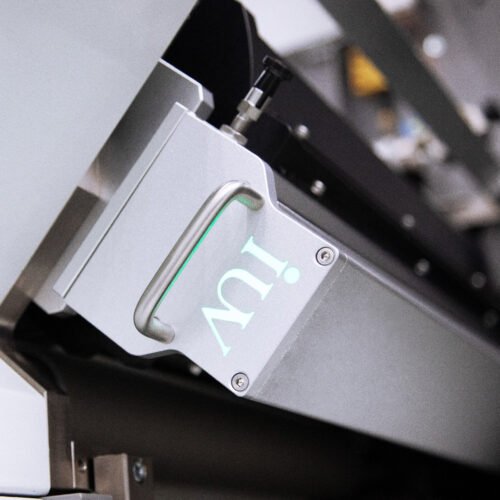
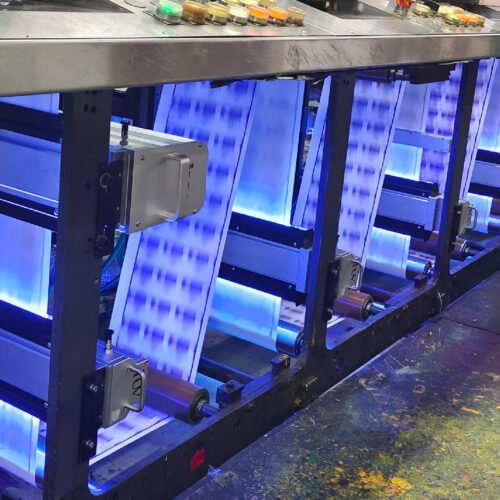
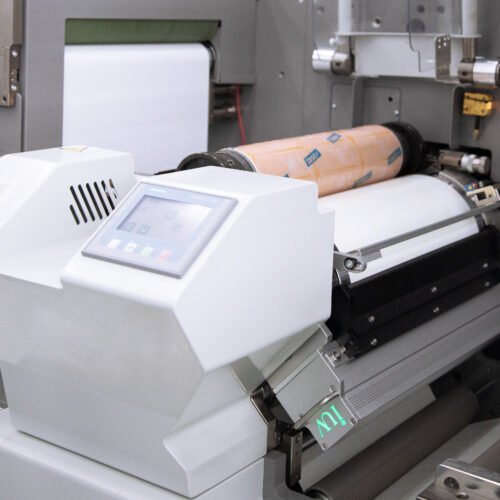
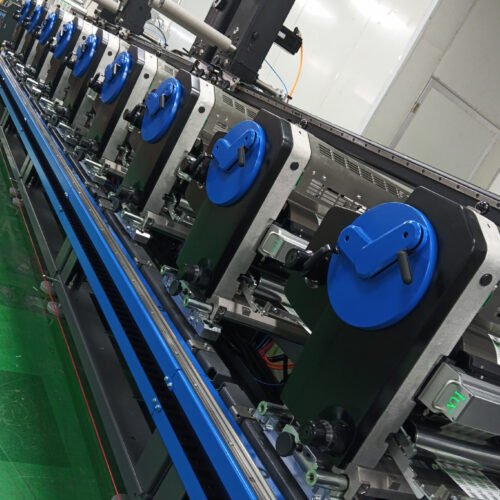
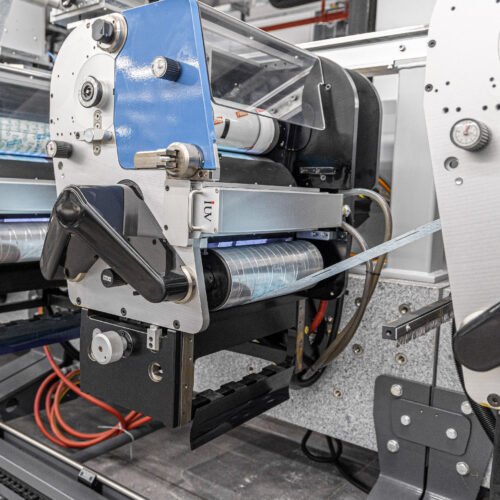
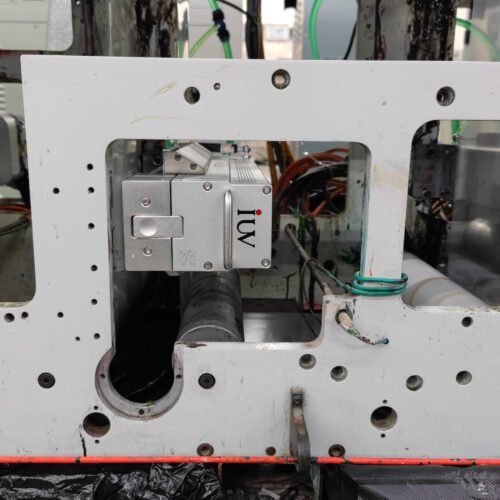
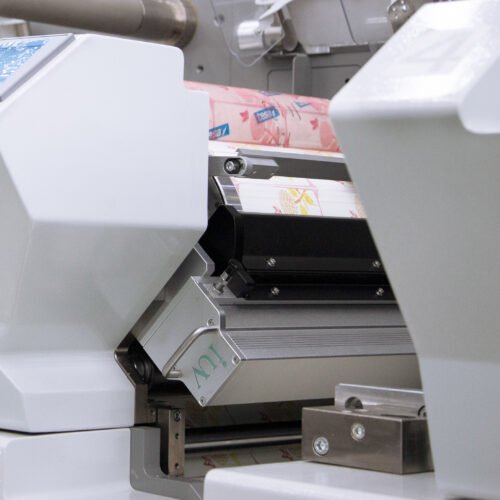
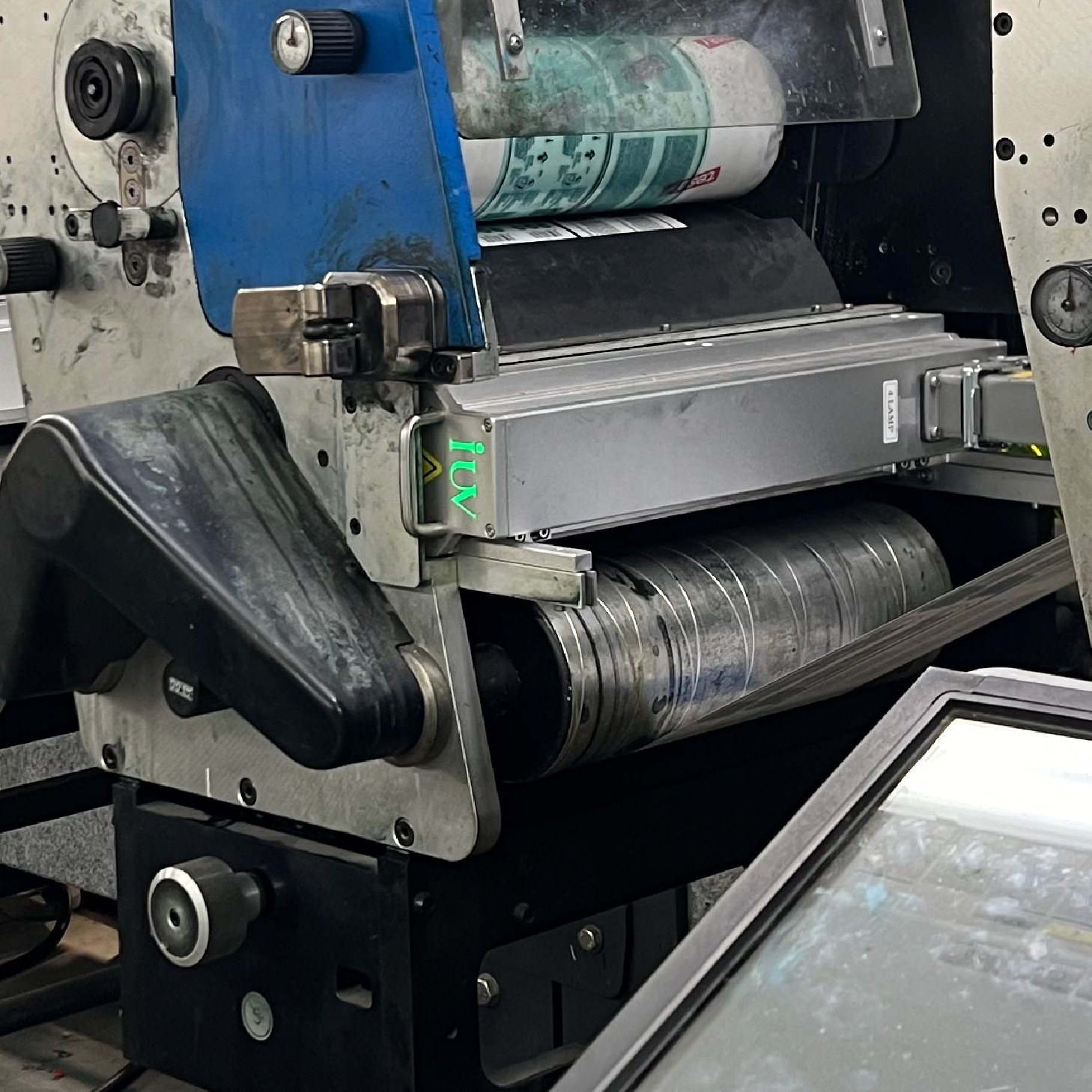
The evolution of UV curing technology has profoundly impacted high-speed printing. While traditional mercury lamps have been the workhorse for years, LED UV curing systems are increasingly becoming the preferred choice. LED systems offer several advantages, particularly for optimizing performance in demanding environments.
LED UV lamps provide a more consistent spectral output, meaning they emit light within a narrower, more targeted wavelength range. This leads to more efficient and predictable curing of the ink’s photoinitiators. Unlike mercury lamps, which degrade over time and can have fluctuating outputs, LEDs maintain their intensity for much longer periods. This stability is invaluable for maintaining consistent print quality at high speeds.
Furthermore, LEDs generate less heat than mercury lamps. Excessive heat can cause substrate distortion, particularly with thinner films, and can accelerate the drying of inks on the press, leading to issues like ink build-up on plates or anilox rolls. The focused, directional light of LEDs also allows for more efficient energy transfer directly to the ink, reducing wasted energy and improving cure speed.
Optimizing LED UV Curing Parameters
Achieving optimal UV ink performance with LED curing requires precise control over several parameters:
- Irradiance: This refers to the intensity of the UV light delivered to the ink. Higher irradiance generally leads to faster curing. However, it must be balanced with the ink’s formulation and the substrate’s heat sensitivity.
- Wavelength: Different photoinitiators are activated by specific wavelengths of UV light. Matching the LED’s output wavelength to the ink’s photoinitiator system is crucial for efficient curing. Common LED wavelengths for printing include 365 nm, 385 nm, 395 nm, and 405 nm.
- Exposure Time (Dwell Time): This is the duration the ink is exposed to the UV light. In high-speed printing, dwell time is inversely proportional to press speed. The faster the press, the shorter the dwell time. Optimization involves ensuring sufficient exposure for complete polymerization, even with very short dwell times.
- Cooling: While LEDs generate less heat than mercury lamps, effective cooling of both the lamps and the printed substrate remains important, especially at very high press speeds and under intense LED arrays.
Ink-Substrate-Curing Compatibility
The interplay between the ink, the substrate, and the curing system is a delicate balance. A robust UV ink formulation designed for high-speed flexographic or offset printing might not perform optimally on a low-surface-energy film without appropriate surface treatment. Similarly, an ink designed for mercury lamps might not cure efficiently with an LED system if their photoinitiator packages are not aligned.
Thorough testing is essential. This involves running sample jobs at target speeds, evaluating cure depth, adhesion (through tape tests and cross-hatch methods), scratch resistance, and rub resistance. Understanding the specific requirements of each component is key to preventing print defects.
Narrow Web Printing Considerations
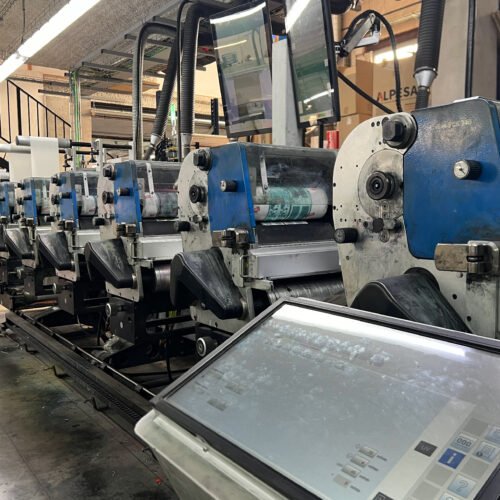
Narrow web printing, commonly used for labels and flexible packaging, presents unique challenges for UV ink performance. The limited web width means that controlling ink tension and preventing misting at high speeds is critical. The rapid acceleration and deceleration of narrow web presses also place demands on ink stability and curing consistency.
In flexographic narrow web printing, the transfer of UV ink via anilox rolls requires inks with the right viscosity and surface tension to ensure clean dot reproduction and prevent “pinholing” or “dot bridging.” For offset narrow web, ink-to-plate and plate-to-blanket transfer must be precise. In both cases, the swiftness of the process means that any inconsistency in ink behavior or curing will be amplified.
Maintaining Pressroom Cleanliness and Ink Management
Beyond the technical aspects of ink and curing, practical pressroom management plays a significant role in UV ink performance. Maintaining a clean printing environment prevents contaminants from interfering with ink transfer or cure. Regular cleaning of anilox rolls, plates, and other components is essential.
Proper ink management, including storage in appropriate conditions and thorough mixing before use, ensures that the ink’s properties remain consistent. Temperature fluctuations in the pressroom can affect ink viscosity, and this needs to be accounted for, especially when running at high speeds where ink properties must be predictable.
Troubleshooting Common Issues
When optimizing UV ink performance at high speeds, common issues can arise. These include:
- Incomplete Curing: Symptoms include tacky prints, poor scratch/rub resistance, and odor. This can be due to incorrect irradiance, insufficient dwell time, improper wavelength match, or a contaminated ink.
- Poor Adhesion: Prints lifting off the substrate. This points to issues with surface energy, inadequate surface treatment, or incomplete curing.
- Ink Misting: Ink particles flying off the anilox roll or plate at high speeds, leading to press contamination and poor print quality. This is often a viscosity or temperature issue.
- Dot Gain or Loss: Unwanted spreading or shrinking of printed dots. This can be influenced by ink viscosity, plate relief, anilox cell volume, and pressure settings.
By systematically addressing these factors – from substrate preparation and ink selection to precise control of LED UV curing parameters and diligent pressroom practices – printers can achieve superior UV ink performance, ensuring high-quality, consistent output even at the most demanding high-speed label printing applications.