<!-- Meta Pixel Code --> <!-- 结束元像素代码 -->

Step-by-Step Guide to UV Curing System Maintenance for Flexo Pressrooms

Step-by-Step Guide to UV Curing System Maintenance for Flexo Pressrooms

Maintaining your UV curing systems in a flexo pressroom is crucial for consistent print quality, reduced downtime, and optimal operational efficiency. This guide provides a detailed, step-by-step approach to ensure your UV systems, whether conventional mercury lamps or modern LED arrays, are always in peak condition. We’ll cover everything from daily checks to in-depth cleaning and component assessments, specifically tailored for narrow web, label, and tag printing applications.

Understanding Your UV Curing System

Before diving into maintenance, it’s beneficial to understand the core components and their functions. UV curing systems use ultraviolet light to instantly dry or “cure” inks, coatings, and adhesives. This process is vital for achieving high-quality finishes on labels, flexible packaging, and various narrow web printed products.

Key Components to Familiarize Yourself With:

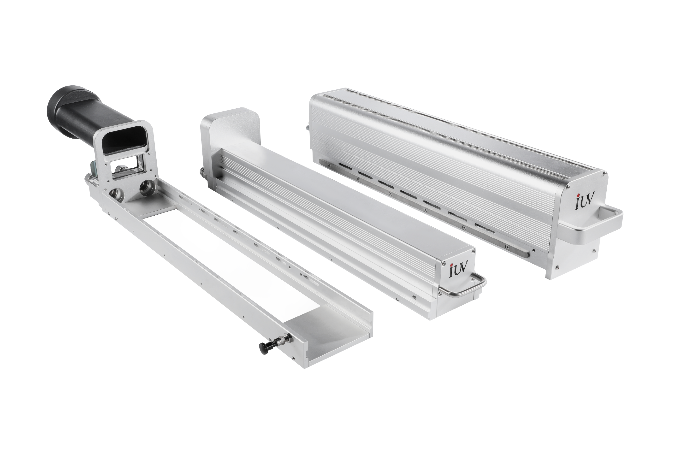
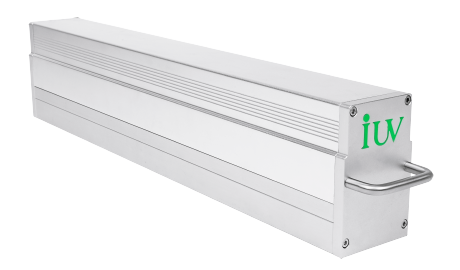
  • UV Lamp/LED Module: The source of UV radiation. Mercury lamps emit UV light by passing an electric current through mercury vapor, while LED modules use semiconductor diodes.
  • Power Supply/Driver: Provides the necessary electrical power to the lamp or LED module.
  • Reflector (for mercury lamps): Directs UV light towards the substrate.
  • Cooling System: Prevents overheating of the lamp/LED and associated electronics. This can be air cooling or water cooling.
  • Shielding: Protects operators from UV light exposure.
  • Control Panel: Allows monitoring and adjustment of system parameters.

Daily UV Curing System Maintenance Checklist

Implementing a daily routine is the first line of defense against performance degradation. These simple checks can catch minor issues before they escalate.

1. Visual Inspection:
Begin each day with a quick visual check of the entire UV curing unit. Look for any obvious signs of damage, such as cracked lamp envelopes (mercury lamps), damaged LED arrays, or loose wiring. Ensure all guards and safety interlocks are in place and appear functional.

2. Check for Obstructions:
Confirm that the path of the UV light is clear. Debris, dried ink, or coating on the substrate path or within the curing unit can interfere with light output and potentially cause damage.

3. Monitor Temperature:
Pay attention to any unusual noises or smells coming from the UV unit. These can indicate overheating, a common symptom of cooling system issues. Check any visible temperature gauges or indicators on the control panel.

4. Lamp/LED Status:
For mercury lamps, observe if they ignite promptly and maintain a steady glow. For LED systems, check for any indicator lights on the driver that might signal a fault.

Weekly UV Curing System Maintenance

These tasks require a bit more time but are essential for proactive problem-solving and maintaining optimal performance.

1. Cleaning the Reflector/Optics:

  • Mercury Lamps: The reflector, often made of polished aluminum or dichroic material, is critical for directing UV energy. Use a soft, lint-free cloth and a specialized UV reflector cleaner. Avoid abrasive materials that can scratch the surface. A clean reflector can significantly improve curing efficiency.
  • LED Systems: The protective lenses or surfaces of LED modules can accumulate dust and ink mist. Gently wipe them with a soft cloth and an approved cleaning solution. Ensure the solution is non-abrasive and evaporates cleanly.

2. Inspecting the Lamp/LED Module:

  • Mercury Lamps: Examine the quartz sleeve for any signs of blackening or degradation, which indicates the lamp is nearing the end of its life. Check for any internal darkening or filament wear.
  • LED Systems: Look for any visible damage to individual LED dies or the overall module. A consistent pattern of light across the entire LED array is indicative of healthy operation.

3. Checking the Cooling System:

  • Air Cooling: Ensure all air vents and fan intakes are free of dust and debris. Clogged vents restrict airflow, leading to overheating. Use compressed air to blow out dust.
  • Water Cooling: Check the water level in the reservoir. Inspect hoses for leaks or kinks. Ensure the pump is running smoothly and the water flow is adequate. Consider flushing the system periodically according to the manufacturer’s recommendations.

4. Examining the Shielding:
Verify that all UV shielding is intact and properly sealed. Any gaps or damage can allow harmful UV radiation to escape, posing a safety risk. Ensure the interlock systems are functioning correctly.

Monthly UV Curing System Maintenance

These more in-depth tasks help to identify potential failures and ensure long-term reliability.

1. Power Supply/Driver Check:
Listen for any unusual sounds from the power supply or LED driver, such as buzzing or humming. Check for any signs of overheating or discoloration on the unit’s casing.

2. Lamp/LED Life Monitoring:

  • Mercury Lamps: Keep a log of operating hours. Most mercury lamps have a specified lifespan (e.g., 800-1500 hours). Replacing them proactively before they fail completely prevents unexpected downtime and ensures consistent UV output.
  • LED Systems: While LEDs have a much longer lifespan, monitor their output over time. Some systems have built-in diagnostics or can be periodically tested with a radiometer to ensure they are still delivering the required UV energy.

3. Ventilation System Cleaning:
Thoroughly clean any air filters associated with the cooling system. If the system uses a dust extraction fan, ensure it’s also clean and functioning efficiently. Poor ventilation is a leading cause of premature component failure in UV curing units.

4. Electrical Connections Inspection:
With the system powered off and locked out, visually inspect all electrical connections for signs of corrosion, looseness, or damage. Tighten any loose connections if necessary. Always follow proper lockout/tagout procedures for safety.

Quarterly and Annual UV Curing System Maintenance

These less frequent but critical tasks ensure the system’s long-term health and performance.

1. Full System Deep Clean:
Perform a comprehensive cleaning of the entire UV curing unit. This includes cleaning the interior surfaces, exhaust ducts, and any accumulated residue from inks or coatings.

2. UV Radiometer Measurement:
This is a vital step for ensuring effective curing. Use a calibrated UV radiometer to measure the UV irradiance (mW/cm²) and total UV dose (J/cm²) at the substrate level. Compare these readings to the manufacturer’s specifications for your inks and coatings. This measurement is crucial for label printing, where precise curing is essential for adhesion and durability.

3. Professional Inspection and Service:
Consider scheduling a professional service visit annually, especially for complex systems or if you lack in-house expertise. A technician can perform more advanced diagnostics, recalibrate sensors, and identify potential issues that might be missed during routine checks.

4. Replacement of Consumables:
Based on operating hours and manufacturer recommendations, plan for the replacement of mercury lamps and any filters within the cooling or exhaust systems.

Contact IUV Curing Experts

滚动至顶部