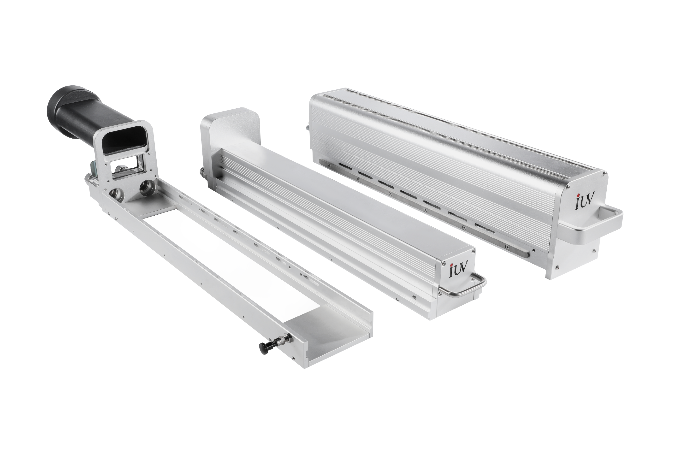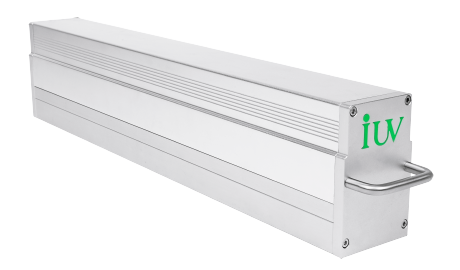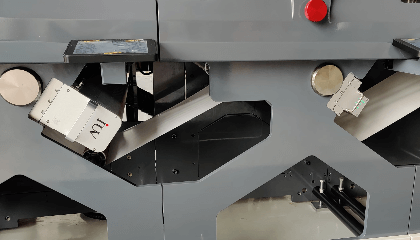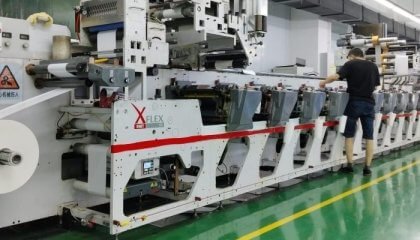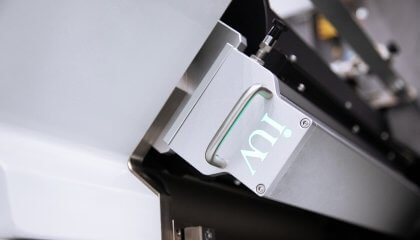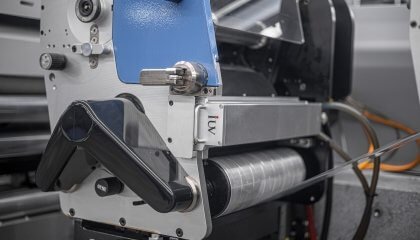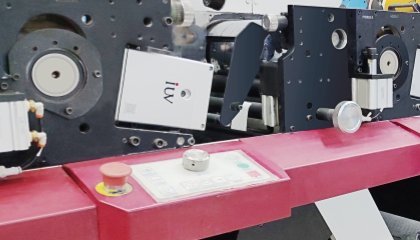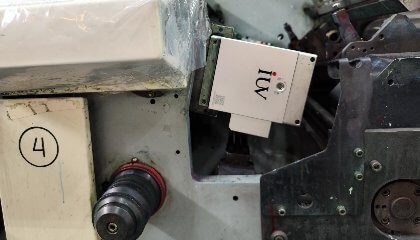
Flexographic printing, particularly in the narrow-web sector, thrives on efficiency and precision. Achieving consistent, high-quality results often hinges on critical process elements, and among the most impactful is the curing system. Traditionally, UV curing has been a staple, but the advent of LED UV technology has brought about a revolution. Integrating smart control systems into these LED UV curing setups for automated narrow-web flexo presses is no longer a luxury; it’s becoming a necessity for staying competitive.
The Evolving Landscape of Narrow-Web Printing
Narrow-web flexo presses are the workhorses for labels, flexible packaging, and specialty applications. Their design prioritizes high-speed production and the ability to handle a wide array of substrates and inks. In this demanding environment, every component must perform optimally. The curing process, responsible for solidifying ink and coatings, directly influences print durability, adhesion, and visual appeal. Inconsistent curing can lead to costly defects like smudging, poor rub resistance, and color shifts, all of which can derail production runs and damage brand reputation.
Understanding LED UV Curing Technology
LED UV curing offers distinct advantages over conventional mercury arc lamps. It uses light-emitting diodes (LEDs) to generate UV light within a specific wavelength spectrum. This targeted approach translates into several benefits:
- Energy Efficiency: LEDs consume significantly less power than mercury lamps, leading to lower operational costs.
- Longer Lifespan: LEDs have an operational life measured in tens of thousands of hours, drastically reducing replacement frequency and associated downtime.
- Instant On/Off: Unlike mercury lamps that require warm-up and cool-down periods, LEDs are instantly ready, allowing for better control and reduced energy waste when the press is not printing.
- Lower Heat Output: LEDs generate less infrared heat, which is crucial for printing on heat-sensitive substrates like thin films and certain plastics. This minimizes substrate deformation and improves dimensional stability.
- Consistent Output: LEDs maintain their output intensity over their lifespan, unlike mercury lamps which degrade over time, leading to fluctuating curing performance.
The Need for Smart Control in LED UV Curing
While LED UV technology itself is a significant advancement, its true potential is unlocked when paired with intelligent control systems. Automation in narrow-web flexo presses is already highly sophisticated. To keep pace, the curing system must also be intelligent and responsive. Smart LED curing control systems provide the critical link between the press’s automation and the UV curing process.
These systems move beyond simple on/off functionality. They offer granular control over key parameters, ensuring optimal curing conditions are maintained throughout a print run, even when variables change. This includes precise management of:
- Irradiance: The power density of the UV light delivered to the substrate.
- Dose: The total amount of UV energy applied.
- Wavelength: Ensuring the correct UV spectrum is used for the specific ink or coating chemistry.
- Temperature: Monitoring and controlling the temperature of the LEDs and the substrate.
Optimizing Curing for Different Applications
The diversity of narrow-web printing means that a one-size-fits-all approach to curing is rarely effective. Different inks, coatings, substrates, and printing speeds all demand tailored curing parameters. Smart LED curing control systems excel in this adaptability.
- Ink and Coating Chemistry: Various UV-curable inks and coatings are formulated to cure optimally at specific wavelengths and intensities. Smart systems can be programmed with profiles for different ink sets, ensuring that the LED output precisely matches the curing requirements. This prevents under-curing (leading to adhesion and resistance issues) or over-curing (which can cause brittleness or color degradation).
- Substrate Variability: From absorbent paper and coated stocks to sensitive plastics and foils, substrates behave differently under UV light. Some may absorb UV energy, while others reflect it. Thin films can be prone to overheating. Smart control systems allow for adjustments in UV output and dwell time to accommodate these differences, preventing substrate damage and ensuring complete ink cure.
- Press Speed Integration: High-speed narrow-web presses require efficient curing that can keep up with the web speed. Smart control systems integrate seamlessly with the press’s speed sensors. As the press speed increases or decreases, the system automatically adjusts the UV output and exposure time to deliver the correct energy dose. This dynamic adjustment is crucial for maintaining consistent cure quality across varying production speeds.
Enhanced Efficiency and Reduced Waste
The “smart” aspect of these control systems is what truly drives efficiency. Real-time monitoring and feedback loops are central to their operation.
- Process Monitoring and Diagnostics: Sophisticated sensors continuously monitor critical parameters. This data can be displayed on an operator interface, providing real-time feedback on the curing status. In the event of deviations, the system can alert the operator or even automatically adjust parameters to correct the issue before it leads to waste.
- Automated Setup and Profiling: Many systems allow for pre-programmed curing profiles for specific jobs. This means that when a job is recalled, the optimal curing settings are automatically loaded, significantly reducing make-ready time and the associated material waste that often occurs during manual setup.
- Predictive Maintenance: By monitoring LED performance and operating parameters over time, smart systems can help predict potential failures or performance degradation. This allows for scheduled maintenance rather than reactive repairs, minimizing unexpected downtime and costly emergency service calls.
Integration with Press Automation
For automated narrow-web flexo presses, seamless integration is paramount. Smart LED curing control systems are designed to communicate with the press’s central control architecture. This allows for:
- Centralized Control: Operators can manage the entire press, including the curing system, from a single interface.
- Interlocking and Safety: The curing system can be interlocked with press operations, ensuring it only activates when the web is properly positioned and running, and deactivates safely when the press stops.
- Data Logging and Traceability: Comprehensive data logging capabilities provide valuable insights for process optimization, quality control, and compliance. This information can be used to analyze performance trends, identify areas for improvement, and provide audit trails for sensitive applications.
The Future of Curing Control in Flexography
The trend towards greater automation, higher press speeds, and the demand for more sustainable and efficient printing processes will only continue to elevate the importance of smart LED curing control systems. For narrow-web flexo printers looking to maximize their investment in modern press technology, adopting these advanced curing solutions is a strategic imperative. It’s about achieving faster speeds, higher quality, less waste, and ultimately, greater profitability in a competitive market. The precise control offered by smart LED systems ensures that the curing process, often overlooked, becomes a reliable and powerful asset in the pursuit of print excellence.