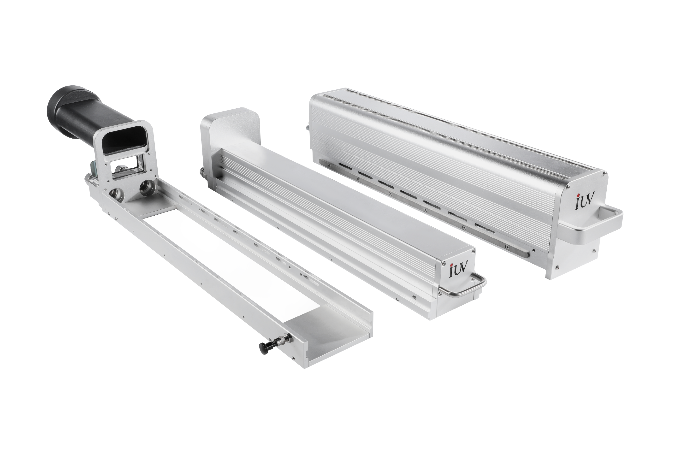
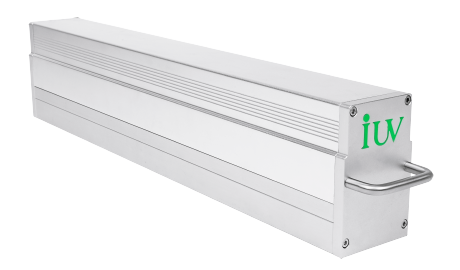
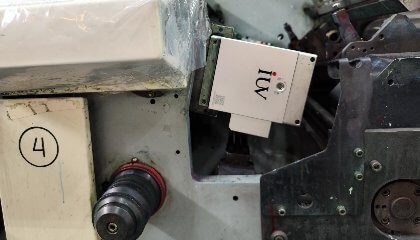
The printing industry is in a constant state of evolution, driven by demands for faster production, higher quality, and more sustainable processes. For label printers, in particular, the quest for efficient and effective curing technologies has led to significant advancements. Among these, LED UV curing systems have emerged as a game-changer, offering distinct advantages over traditional methods. This review delves into the world of LED UV curing, providing insights for label printers to select the optimal solution.
Understanding UV Curing: The Foundation
Before diving into LED technology, it’s essential to grasp the fundamentals of UV curing. Ultraviolet (UV) curing is a photochemical process that uses high-intensity UV light to initiate a rapid polymerization reaction in inks, coatings, and adhesives. This process transforms liquid materials into a solid, cured state almost instantaneously.
Traditional UV curing systems typically employ mercury vapor lamps. These lamps have been the industry standard for decades, delivering reliable performance. However, they come with certain drawbacks. Mercury lamps generate considerable heat, which can affect sensitive substrates. They also have a relatively short lifespan, require frequent replacement, and consume significant amounts of energy. Furthermore, the spectral output of mercury lamps can be broad and inconsistent, sometimes leading to incomplete curing or requiring higher energy input.
The Rise of LED UV Curing Technology
LED (Light Emitting Diode) UV curing systems represent a significant technological leap. Instead of a broad-spectrum lamp, LEDs emit UV light at specific wavelengths. This targeted approach offers a host of benefits that are particularly attractive to the label printing sector.
The primary advantage of LED UV curing lies in its energy efficiency. LEDs convert a much higher percentage of electrical energy into UV light compared to mercury lamps, resulting in substantial energy savings. This not only reduces operating costs but also aligns with the growing industry focus on sustainability.
Another key benefit is the minimal heat output. LED systems generate very little infrared radiation, meaning they produce significantly less heat. This is crucial for label printers working with heat-sensitive substrates like thin films or delicate papers, preventing distortion or damage. The cool-running nature of LEDs also contributes to a more stable printing environment.
Durability and longevity are also hallmarks of LED technology. LEDs have an exceptionally long operational life, often exceeding 20,000 to 30,000 hours, compared to the 1,000 to 2,000 hours typical for mercury lamps. This translates to reduced maintenance, less downtime for lamp replacements, and a lower overall cost of ownership.
LED UV Curing in Label Printing Applications
The label printing industry, with its diverse range of applications and substrates, benefits immensely from the capabilities of LED UV curing. Whether it’s for flexographic, offset, or digital printing, LED systems offer tailored solutions.
Flexographic Printing and LED UV
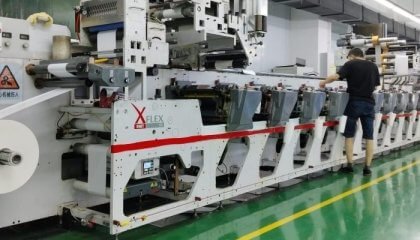
Flexographic printing is a dominant force in narrow-web label production. The speed and versatility of flexo presses demand curing technologies that can keep pace. LED UV curing systems integrate seamlessly with flexo machines, providing instant drying of UV inks and coatings. This allows for faster print speeds, immediate handling of printed materials, and the ability to print multiple colors without inter-coat contamination. The precise wavelength output of LEDs can be optimized for specific UV inks, ensuring thorough curing and excellent adhesion on a variety of label stocks.
Offset Printing and LED UV
Sheetfed and web offset printing also find significant advantages with LED UV curing. For narrow-web offset presses used in label production, LED systems enable immediate turnaround times. This means printed labels can be sent to finishing processes or shipped out much faster. The consistent energy output of LEDs ensures reliable curing across the entire sheet or web, regardless of the ink coverage. This is particularly important for high-volume label runs where consistency is paramount.
Digital Printing and LED UV
The rise of digital label printing, including inkjet and toner-based technologies, has been closely followed by the adoption of LED UV curing. Many digital label presses incorporate LED UV curing as standard. The instantaneous curing provided by LEDs is essential for digital processes, allowing for on-demand printing of variable data and short runs without the need for drying times. This makes digital printing a highly agile and efficient solution for customized labels.
Key Considerations When Choosing an LED UV Curing System
Selecting the right LED UV curing system requires careful evaluation of several factors to ensure it meets the specific needs of a label printing operation.
Wavelength Selection: The Spectrum Matters
LEDs emit UV light in narrow bands. The most common wavelengths used in UV curing are 365 nm, 395 nm, and 405 nm. The choice of wavelength is critical and depends on the specific UV inks and coatings being used. Many modern UV inks are formulated to cure optimally at specific LED wavelengths. Using the wrong wavelength can lead to poor cure, reduced adhesion, or surface tackiness. It’s imperative to match the LED system’s output to the ink manufacturer’s recommendations. For example, inks designed for traditional mercury lamps may not cure effectively under LED sources, and vice-versa. Consulting with ink suppliers is a crucial step in this decision-making process.
Power Density and Uniformity
Power density, measured in W/cm², indicates the intensity of the UV light delivered to the substrate. Higher power density generally leads to faster curing. However, it’s not just about peak power; uniformity across the entire print width is equally important. An uneven power distribution can result in inconsistent curing, with some areas being over-cured and others under-cured. Look for systems that offer excellent uniformity, typically with a variation of no more than 10-20% across the printing width.
Cooling System: Managing Heat
While LEDs are cool-running compared to mercury lamps, they still generate some heat that needs to be managed. Most LED curing systems utilize air or water cooling. Air-cooled systems are generally simpler and less expensive, suitable for lower-power applications. Water-cooled systems are more efficient for higher-power requirements or in environments where heat dissipation is a concern. The cooling system should be robust enough to maintain optimal LED performance and longevity.
Integration with Printing Presses
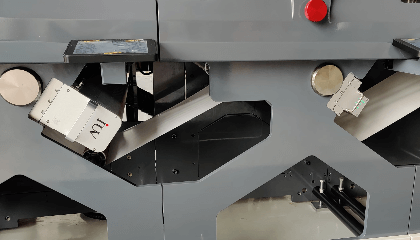
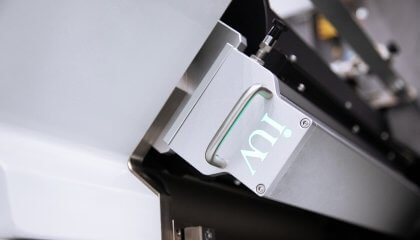
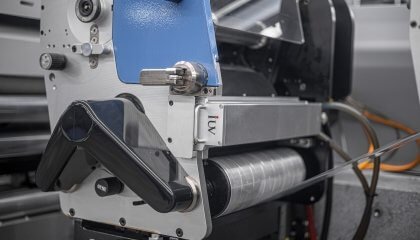
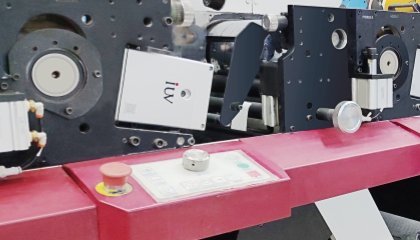
The physical dimensions and mounting options of the LED UV curing system are crucial for seamless integration with existing printing presses. Whether it’s a narrow-web flexo press, a sheetfed offset machine, or a digital printer, the curing unit must fit within the press architecture without compromising other press functions. Consider the ease of installation, alignment, and maintenance. Many manufacturers offer customized solutions to fit specific press models.
Control and Monitoring Features
Advanced control systems allow for precise management of UV intensity, exposure time, and monitoring of system health. Features like built-in radiometers for real-time intensity measurement and diagnostics for LED performance can significantly enhance process control and ensure consistent quality. User-friendly interfaces and connectivity options for integration with press control systems are also valuable.
Application-Specific Requirements
The intended application of the labels plays a significant role. For example, labels used in the food and beverage industry or those exposed to harsh environments may require specific ink formulations and curing processes to ensure durability, chemical resistance, and compliance with regulations. The chosen LED system must be capable of achieving the required level of cure for these demanding applications.
The Future of LED UV Curing in Label Printing
LED UV curing technology continues to advance. We are seeing developments in higher power output, broader wavelength options, and even more sophisticated control systems. As the cost of LED technology decreases and its benefits become more widely recognized, its adoption in the label printing sector is set to accelerate.
For label printers looking to enhance efficiency, improve print quality, reduce operating costs, and embrace more sustainable printing practices, investing in a well-chosen LED UV curing system is a strategic decision that will yield significant returns. By carefully considering the factors outlined above and working closely with equipment and ink suppliers, label printers can confidently select the right LED UV solution to drive their business forward.