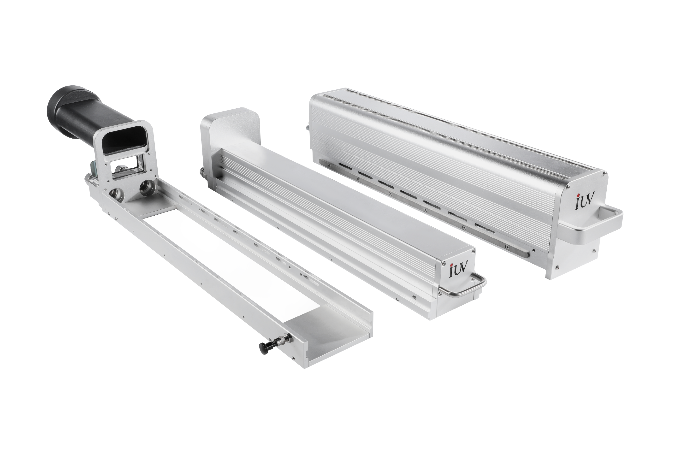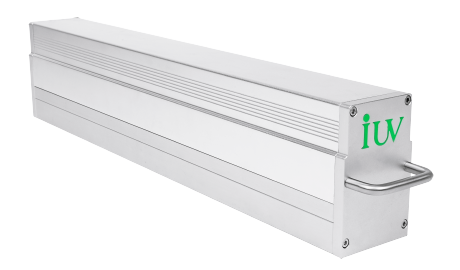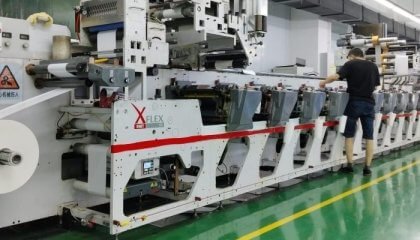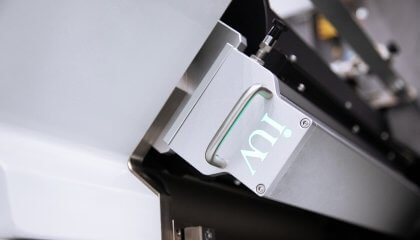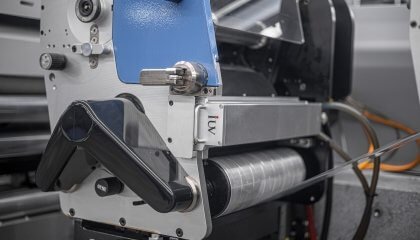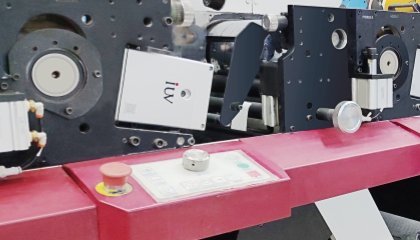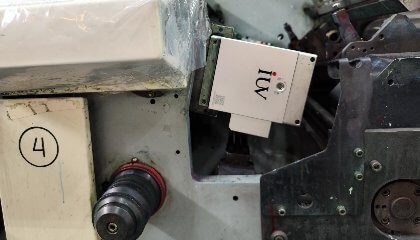
The printing industry is constantly evolving. Innovations aim to enhance efficiency, improve quality, and reduce environmental impact. Among these advancements, stands out. It offers a compelling alternative to traditional mercury lamp UV curing systems. This review delves into the performance of LED UV curing, particularly for inline varnishing and coating applications across various printing sectors like label, flexographic, offset, and narrow web printing.
Understanding LED UV Curing Technology
Traditional UV curing relies on mercury lamps that emit a broad spectrum of UV light. While effective, these lamps have drawbacks. They consume significant energy, generate considerable heat, and have a limited lifespan. They also require frequent maintenance and have a warm-up time.
LED UV curing, on the other hand, utilizes Light Emitting Diodes (LEDs). LEDs emit UV light at specific wavelengths. This targeted emission offers several advantages. It leads to more efficient energy usage, reduced heat transfer to the substrate, and a significantly longer operational life. The instant on/off capability of LEDs also contributes to energy savings and operational flexibility.
Key Advantages of LED UV Curing in Inline Applications
Inline varnishing and coating are critical finishing processes in modern printing. They add value, enhance durability, and provide aesthetic appeal. Integrating LED UV curing into these inline processes brings about a transformation.
- Energy Efficiency: LEDs are far more energy-efficient than mercury lamps. They convert a higher percentage of electricity into UV light. This translates to lower operational costs for printing businesses. For inline processes, where curing happens continuously, this saving is substantial.
- Reduced Heat: LED systems emit less infrared radiation. This means less heat is transferred to the substrate. This is particularly beneficial when printing on heat-sensitive materials, common in label and narrow web applications. It reduces the risk of warping or deformation, ensuring higher quality output.
- Instant On/Off: Unlike mercury lamps, LEDs reach full power instantly. This allows for precise control. They can be turned off when the printing line is stopped, saving energy and extending lamp life. This feature is invaluable in high-speed, dynamic inline operations.
- Longer Lifespan: LED arrays have a much longer operational life compared to mercury lamps. This reduces the frequency of replacements and associated downtime and costs. It ensures consistent curing performance over extended periods.
- Compact Design: LED curing units are typically more compact than traditional systems. This makes them easier to integrate into existing inline printing presses, especially in space-constrained narrow web setups.
- Environmental Benefits: The lower energy consumption and absence of mercury make LED UV curing a more environmentally friendly option. This aligns with the growing demand for sustainable printing practices.
LED UV Curing in Label Printing
The label printing sector is a prime area where LED UV curing excels. Labels often require high-quality finishes, vibrant colors, and robust coatings for durability. Inline varnishing and spot coating are common.
- High-Quality Finishes: LED UV curing ensures rapid and complete curing of varnishes and coatings. This results in sharp details, excellent gloss or matte effects, and smooth surfaces. The precise wavelength control allows for optimal interaction with specific UV-curable inks and coatings.
- Substrate Versatility: The low heat output of LED systems is a major advantage for label printing. Many labels are printed on plastic films or thin paper stocks that are susceptible to heat damage. LED curing enables the use of these delicate substrates without compromise.
- Enhanced Durability: The thorough curing achieved with LED technology leads to coatings that are highly resistant to abrasion, chemicals, and UV light. This is essential for labels used in demanding environments, such as product packaging for consumer goods, automotive parts, or industrial applications.
- Increased Productivity: The speed and efficiency of LED curing contribute to higher production speeds in inline label printing. The instant on/off feature means no warm-up delays when starting or restarting jobs.
Flexographic and Narrow Web Printing Applications
Flexographic and narrow web printing are closely related, often used for labels, flexible packaging, and specialty printing. LED UV curing has become a game-changer in these segments.
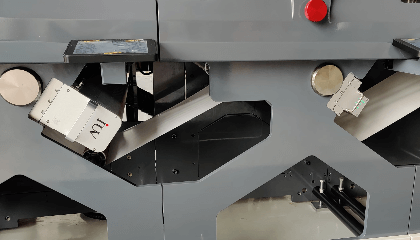
- Inline Process Integration: Flexo and narrow web presses are designed for high-speed, inline production. LED UV curing units integrate seamlessly into these workflows. They can be placed after each print station or at the end of the press for final coating and curing.
- Improved Print Quality: The consistent UV output from LEDs ensures excellent ink and coating cure. This leads to sharper dot reproduction, better color density, and superior resistance properties. This is critical for brand packaging where visual appeal is paramount.
- Handling Sensitive Materials: Many packaging materials, such as thin films, are used in flexo and narrow web printing. The low heat generated by LEDs prevents distortion or degradation of these materials, maintaining dimensional stability and print integrity.
- Reduced VOC Emissions: When paired with water-based or solvent-based coatings, UV-curable varnishes and coatings offer a significant reduction in Volatile Organic Compounds (VOCs) compared to traditional drying methods. LED curing further enhances this by enabling faster and more complete polymerization.
Offset Printing and LED UV Curing
While offset printing traditionally uses heatset or conventional UV curing, LED UV technology is making inroads, particularly in sheetfed and web offset for specific applications.
- Sheetfed Offset: In sheetfed offset, LED UV curing allows for immediate stacking of printed sheets. This eliminates the need for extensive drying times or inter-station drying. It drastically speeds up post-press handling and reduces the risk of ink set-off.
- Web Offset: For web offset printing, particularly in commercial printing or publication runs where inline coating is applied, LED UV curing offers advantages. It ensures fast and complete curing of varnishes, providing immediate rub resistance and enabling faster turnaround times.
- Substrate Flexibility: Offset printing often involves a wide range of paper stocks. The low heat emission from LED UV systems is beneficial for printing on thinner or coated papers that might be sensitive to heat.
- Energy Savings: The inherent energy efficiency of LEDs provides operational cost benefits for offset printers, especially those running high volumes where continuous operation is key.
Considerations for Implementing LED UV Curing
While the benefits are substantial, a successful transition to LED UV curing requires careful consideration.
- Wavelength Matching: LED UV systems emit specific wavelengths (e.g., 365nm, 385nm, 395nm, 405nm). It is crucial to match the LED wavelength to the photoinitiators present in your UV-curable inks, varnishes, and coatings. Using incompatible wavelengths will result in incomplete curing. Consult with your ink and coating suppliers to ensure compatibility.
- Power Density: The power density of the LED system needs to be sufficient for the required curing speed and film thickness. Higher power densities generally lead to faster curing.
- Cooling Systems: Although LEDs generate less heat than mercury lamps, they still require effective cooling to maintain optimal performance and lifespan. Ensure the chosen system has adequate cooling.
- Substrate Type and Thickness: As discussed, the ability of LED UV to cure at lower temperatures is a significant advantage for sensitive substrates. However, thicker coatings or certain challenging substrates may require higher power density or optimized curing processes.
- Cost of Investment: The initial investment for LED UV curing systems can be higher than for traditional mercury lamp systems. However, the long-term savings in energy, lamp replacement, and increased productivity often lead to a favorable return on investment.
The Future of Inline Varnishing and Coating
LED UV curing technology is rapidly becoming the standard for inline varnishing and coating applications. Its efficiency, environmental benefits, and superior performance characteristics make it an attractive choice for printers across the board. As the technology continues to mature and costs potentially decrease, its adoption will likely accelerate.
For label printers, flexographic and narrow web converters, and even offset printers looking to enhance their inline finishing capabilities, exploring LED UV curing is not just an option—it’s a strategic move towards greater efficiency, higher quality, and a more sustainable printing future. The ability to achieve robust, high-quality finishes inline, with reduced energy consumption and greater substrate versatility, positions LED UV curing as a pivotal technology for the modern print environment.