<!-- Meta Pixel Code --> <!-- 结束元像素代码 -->

Reducing Waste Through Real-Time Automated UV Monitoring and Light Control

Reducing Waste Through Real-Time Automated UV Monitoring and Light Control

In today’s competitive print market, efficiency is paramount. Manufacturers are constantly seeking ways to streamline operations, cut costs, and improve product quality. One area that presents significant opportunities for improvement is UV curing. Traditional UV curing processes can often lead to inconsistencies, increased waste, and higher energy consumption. However, by implementing real-time automated UV monitoring and precise light control, printers can achieve remarkable reductions in waste and a substantial boost in overall productivity.

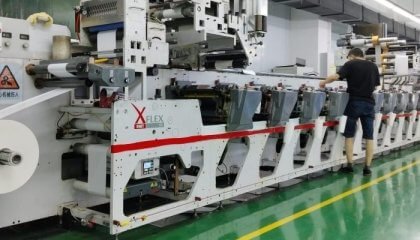
This advanced approach leverages cutting-edge technology to ensure optimal UV curing conditions are maintained throughout the entire print run. For businesses involved in label printing, flexographic printing, offset printing, and narrow web applications, the benefits are transformative.

The Challenge of Inconsistent UV Curing

UV curing is a photochemical process where ultraviolet light triggers a rapid polymerization reaction, hardening inks, coatings, and adhesives. While efficient when performed correctly, deviations from ideal conditions can cause a cascade of problems.

  • Under-curing: If the UV energy delivered is insufficient, inks and coatings may not fully cure. This can lead to poor adhesion, scratching, and rub resistance. In label printing, this can result in labels detaching or graphics smudging, leading to high rates of rejected products. For flexographic and offset printing, incomplete curing can compromise the durability and appearance of the final printed material.
  • Over-curing: Conversely, excessive UV exposure can lead to yellowing of substrates, brittleness in coatings, and even damage to the printed image. This is particularly problematic in high-speed narrow web printing where multiple passes or intense curing zones are common. Over-curing also wastes energy and can shorten the lifespan of UV lamps and other equipment.
  • Variations within a Run: Without real-time monitoring, UV output can fluctuate due to lamp aging, power supply variations, changes in substrate speed, or environmental factors. These inconsistencies often go unnoticed until the end of a print run, resulting in significant waste of materials, ink, and valuable press time.

Introducing Real-Time Automated UV Monitoring

The core of this waste-reduction strategy lies in real-time, automated UV monitoring systems. These systems continuously measure critical UV parameters as the material passes through the curing unit.

Key Parameters Monitored:

  • UV Irradiance: This measures the intensity of the UV light at the substrate surface. It’s typically measured in Watts per square centimeter (W/cm²). Consistent irradiance is vital for uniform curing.
  • UV Dose (Energy): This is the total amount of UV energy delivered to the substrate over a specific area. It’s measured in Joules per square centimeter (J/cm²). Dose is a combination of irradiance and exposure time. Achieving the correct UV dose is crucial for complete polymerization.
  • Spectral Distribution: Different UV lamps emit light across a spectrum of wavelengths. Monitoring this distribution ensures that the correct wavelengths necessary for the specific ink or coating chemistry are being delivered.

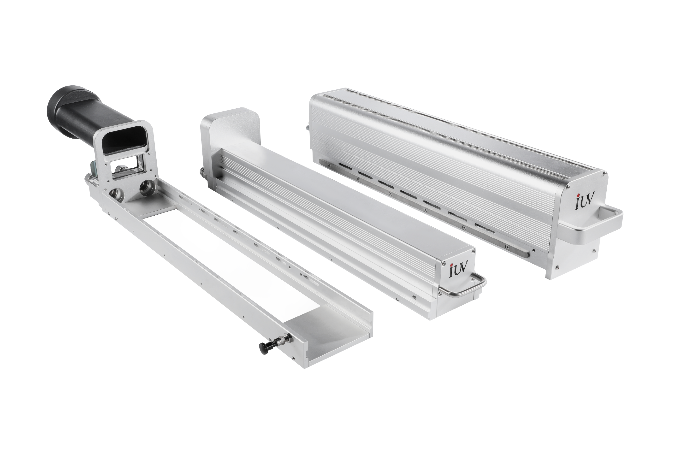
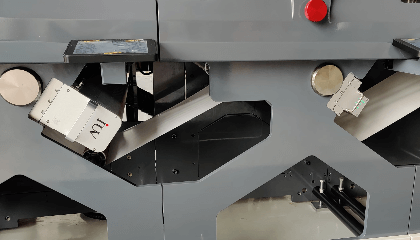
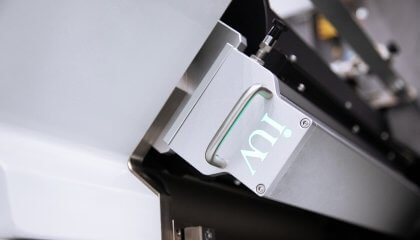
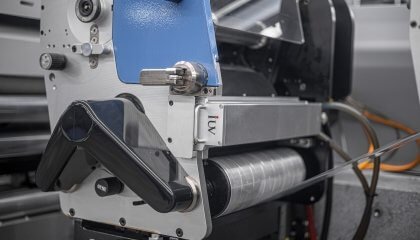
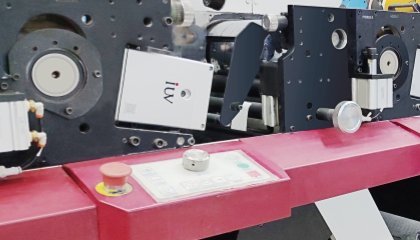
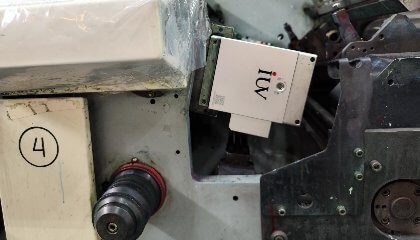
These monitoring systems employ specialized sensors that are integrated directly into the UV curing unit. They provide immediate feedback, allowing for adjustments to be made on the fly.

The Power of Automated Light Control

Complementing real-time monitoring is automated light control. This technology uses the data gathered by the sensors to actively adjust the UV system’s output.

How Automated Control Works:

  1. Continuous Measurement: Sensors constantly measure irradiance and/or dose.
  2. Comparison to Setpoints: The system compares the measured values to pre-defined optimal parameters, which are determined by the specific ink, coating, or adhesive being used.
  3. Automatic Adjustment: If the measured values deviate from the setpoints, the control system automatically makes corrections. This can involve:
    • Adjusting the power output of the UV lamps.
    • Modifying the speed of the UV lamp’s shutter or iris mechanism.
    • Controlling the speed of the printing press to optimize exposure time.
    • In advanced systems, even adjusting the position of the UV lamps relative to the substrate.

This closed-loop system ensures that the UV energy delivered remains consistent, regardless of external factors or lamp degradation.

Benefits Across Printing Sectors

The impact of real-time automated UV monitoring and light control extends across various printing applications:

Label Printing and Narrow Web Applications

For narrow web printers producing high volumes of labels, consistency is king. Inconsistent UV curing can lead to:

  • Poor Adhesion: Labels that peel or fail to adhere correctly are a costly defect.
  • Scuffing and Scratching: Insufficiently cured inks are easily damaged during handling and application.
  • Color Shifts: Over-curing can alter ink colors, compromising brand aesthetics.

Automated UV control ensures that every label receives the exact amount of UV energy needed, leading to superior adhesion, durability, and color accuracy. This drastically reduces the number of rejected labels and minimizes waste from reprints.

Flexographic Printing

In flexo, especially for packaging and labels, the ability to achieve consistent ink transfer and curing is vital for brand representation and product integrity. Real-time UV monitoring helps flexo printers:

  • Ensure Ink Durability: Packaging often requires robust inks that can withstand harsh conditions. Proper curing guarantees this.
  • Maintain Color Fidelity: Accurate UV control prevents color fading or darkening, ensuring consistency across print runs.
  • Optimize Throughput: By maintaining consistent curing, presses can run at optimal speeds without the risk of incomplete cure, maximizing output.

Offset and Sheetfed Printing

While often associated with longer runs, offset printing also benefits greatly from precise UV curing control, particularly when using UV-cured inks and coatings for enhanced finishes and durability.

  • High-Gloss Coatings: Achieving a consistent, high-gloss finish requires uniform curing. Automated systems prevent patchy or dull areas.
  • Specialty Inks: Many specialty UV inks require very specific curing parameters. Real-time monitoring ensures these sensitive inks perform as intended.
  • Reduced Ink/Coating Waste: Consistent curing means less material wasted due to defects, particularly in high-value applications.

Practical Advantages and Waste Reduction

The implementation of real-time automated UV monitoring and light control translates directly into tangible benefits and significant waste reduction:

  • Minimized Rejects: The most direct impact is a dramatic reduction in rejected jobs. When every inch of the print is cured correctly, the need for reprints is virtually eliminated. This saves substrate, ink, and labor.
  • Reduced Material Waste: Fewer reprints mean less raw material consumed. This is especially impactful for expensive substrates or specialized label stocks.
  • Lower Energy Consumption: Precise control means UV lamps operate only at the intensity required. Over-curing wastes energy; optimized systems use only what’s necessary, leading to lower electricity bills.
  • Extended Equipment Lifespan: By operating UV lamps within their optimal parameters, their lifespan can be extended, reducing replacement costs.
  • Improved Operator Efficiency: Automation frees up operators from constant monitoring and manual adjustments, allowing them to focus on other critical aspects of the print process.
  • Enhanced Product Quality and Consistency: Beyond waste reduction, the primary outcome is superior, consistent product quality. This builds customer satisfaction and strengthens brand reputation.
  • Faster Make-Ready Times: With predictable and reliable UV performance, press setup and calibration become quicker and less prone to errors.

Implementing the Technology

Adopting this advanced UV curing technology involves several considerations:

  • System Integration: Ensure the chosen UV monitoring and control system is compatible with your existing printing presses and UV curing units. Many modern UV systems come with integrated capabilities.
  • Sensor Calibration: Regular calibration of UV sensors is essential to maintain accuracy.
  • Operator Training: Proper training for press operators on how to use and interpret the data from the monitoring system is crucial for maximizing its benefits.
  • Ink and Coating Compatibility: Work with your ink and coating suppliers to understand the precise UV energy requirements for your specific formulations.

The Future of UV Curing

Real-time automated UV monitoring and light control represent a significant evolution in UV curing technology. It moves the process from a reactive, manual approach to a proactive, automated one. For printers focused on sustainability, cost-efficiency, and delivering consistently high-quality products, this technology is no longer a luxury but a strategic imperative. Embracing it means embracing a future of reduced waste, enhanced productivity, and a stronger competitive edge in the demanding world of print manufacturing.

Contact IUV Curing Experts

滚动至顶部