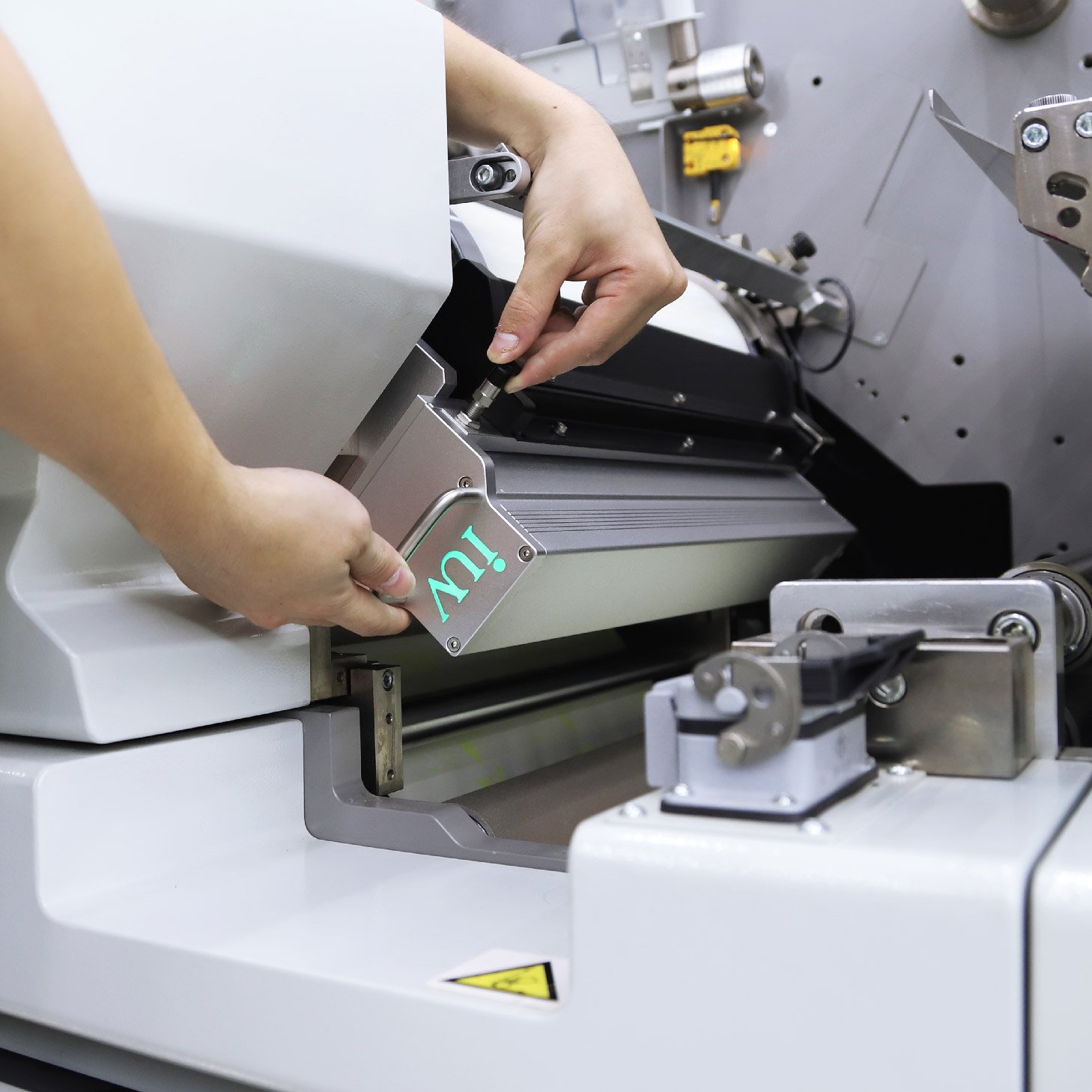
The printing industry is constantly seeking ways to enhance efficiency and minimize its environmental footprint. Energy consumption remains a significant operational cost and a focal point for sustainability initiatives. Traditional curing methods, often relying on mercury-vapor lamps, have long been the standard. However, a paradigm shift is underway with the adoption of high-intensity LED UV curing technology. This innovation offers a compelling pathway to substantial energy reduction across various printing sectors, including label, flexographic, offset, and narrow web applications.
The Energy Drain of Traditional UV Curing
For decades, mercury-vapor lamps have powered UV curing processes. While effective, these lamps come with considerable drawbacks, particularly concerning energy usage. They operate at high temperatures, requiring substantial electricity to generate the necessary UV output. Furthermore, their lifespan is limited, necessitating frequent replacements, which adds to both cost and waste. The heat generated by these lamps also impacts the print environment, sometimes requiring additional cooling systems, further increasing energy demands.
A significant portion of the energy consumed by mercury lamps is actually emitted as heat, not useful UV light. This inefficiency means a large percentage of the electricity drawn is essentially wasted, contributing to higher operational expenses and a larger carbon footprint. For printers, this translates directly into increased utility bills and a less sustainable operation.
The Rise of High-Intensity LED UV Curing
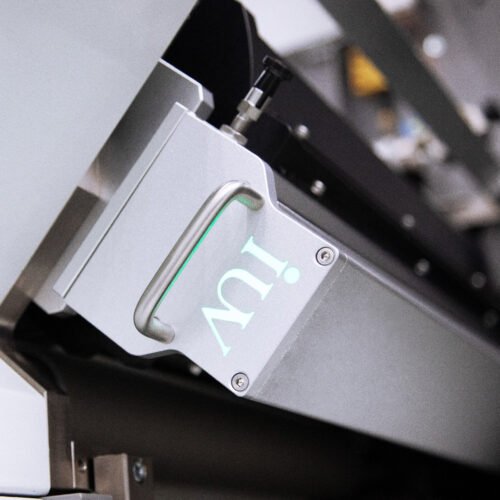
High-intensity LED UV curing technology represents a significant leap forward. Unlike mercury lamps, LEDs emit UV light within a very specific wavelength range, optimized for curing inks, coatings, and adhesives. This targeted emission is a key factor in their energy efficiency.
LEDs convert electrical energy directly into light with minimal heat generation. This fundamental difference means far less energy is wasted as ambient heat. The electricity that goes into an LED curing system is primarily used to produce the light needed for curing, making the process inherently more efficient than traditional methods.
Energy Savings in Practice: Label and Narrow Web Printing
In the realm of label and narrow web printing, efficiency is paramount. These sectors often deal with high-volume production runs and tight margins. The adoption of high-intensity LED UV curing offers immediate and tangible energy savings.
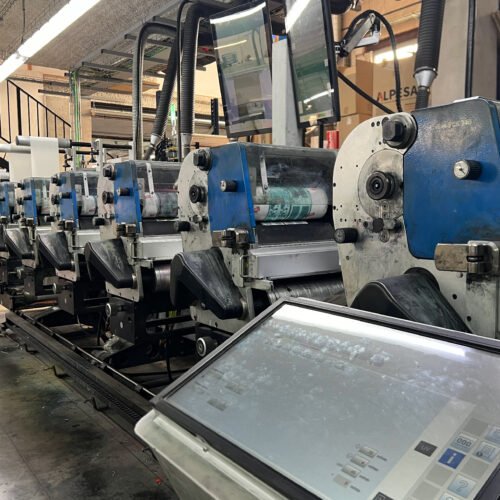
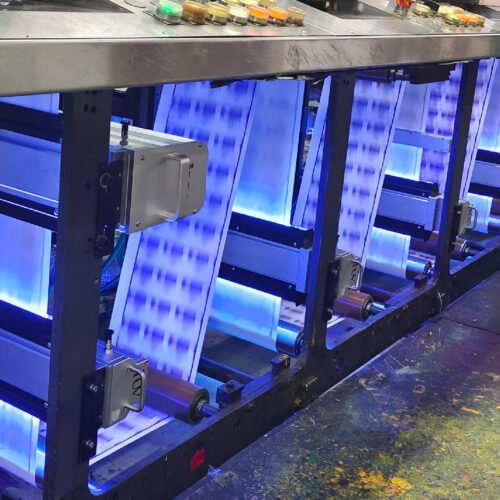
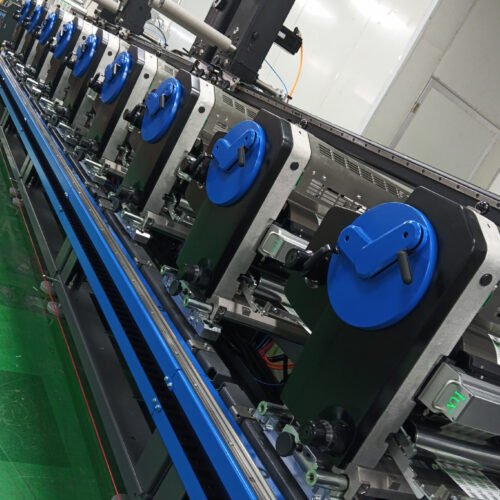
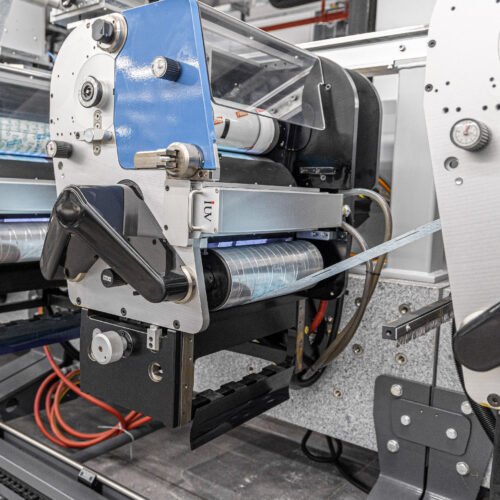
Consider a narrow web flexographic press. Traditionally, it might employ multiple mercury lamps for UV curing between print stations. Each lamp consumes a considerable amount of power and generates heat. Switching to LED curing units on these same presses can lead to energy savings of 50% or even more. This is because LEDs require less power to achieve the same or even superior curing results.
The instant on/off capability of LEDs also plays a role. Mercury lamps take time to warm up and cool down. LEDs are ready to cure immediately and can be switched off instantly when not in use, such as during press setup or job changes. This eliminates the continuous energy draw associated with keeping mercury lamps at operating temperature, further amplifying energy savings throughout the production day.
Flexographic Printing’s Energy Transformation
Flexographic printing, a workhorse for packaging and labels, benefits immensely from LED technology. The ability of LEDs to cure at lower temperatures is particularly advantageous for heat-sensitive substrates, such as thin films and certain plastics. This reduces the need for costly substrate cooling systems that would otherwise be necessary with mercury lamps.
The precise wavelength control offered by LEDs ensures efficient ink and coating cure. This means printers can achieve the desired physical properties of the printed product without over-exposing the material to UV energy. This precise control contributes to a more energy-efficient curing process, as only the necessary amount of UV energy is delivered.
Offset Printing Embraces Efficiency
While offset printing has traditionally leaned on different drying methods, UV curing is increasingly integrated, especially for high-quality finishes and faster turnaround times. In offset applications where UV curing is employed, high-intensity LED technology presents significant energy reduction opportunities.
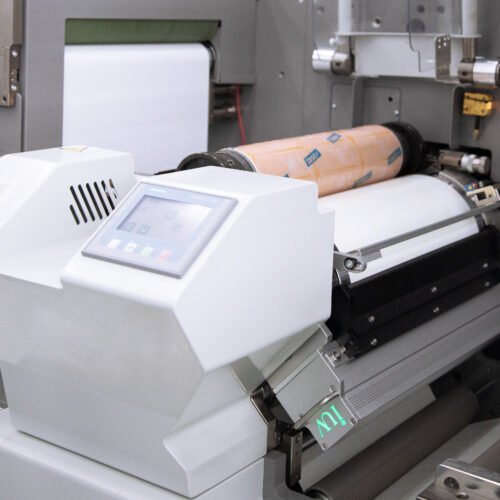
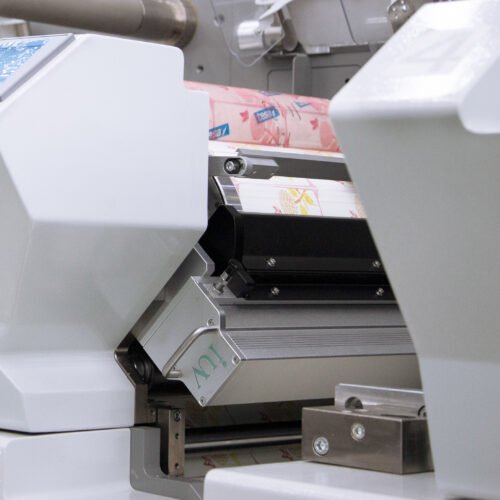
The compact nature of LED curing units also allows for easier integration into existing offset presses, often requiring less space and power than their mercury-based counterparts. The reduced heat output from LEDs can also lead to a more stable printing environment, potentially improving print quality and reducing waste associated with temperature fluctuations.
The Case for High-Intensity LEDs: Beyond Energy Savings
The advantages of high-intensity LED UV curing extend beyond just energy consumption, creating a compelling case for adoption:
- Longer Lifespan: LEDs have a significantly longer operational lifespan compared to mercury lamps. This reduces maintenance costs, downtime associated with lamp replacement, and the frequency of waste disposal.
- Instant On/Off: As mentioned, this feature contributes to energy savings and also improves press productivity by eliminating warm-up times.
- Reduced Heat Output: Lower operating temperatures result in a more stable printing environment, protect sensitive substrates, and can reduce the need for additional cooling systems.
- Environmentally Friendlier: LEDs do not contain mercury, a hazardous substance found in traditional UV lamps. This makes disposal safer and more environmentally responsible.
- Compact Design: LED curing systems are often more compact, allowing for easier retrofitting and integration into existing printing equipment.
- Consistent Output: LEDs provide a stable and consistent UV output over their lifespan, ensuring reliable curing performance and consistent print quality.
Implementing High-Intensity LED Curing
The transition to high-intensity LED UV curing requires careful consideration. Printers should work with reputable equipment manufacturers to ensure the chosen LED systems meet their specific application needs. Factors such as UV intensity, wavelength, and curing width are crucial.
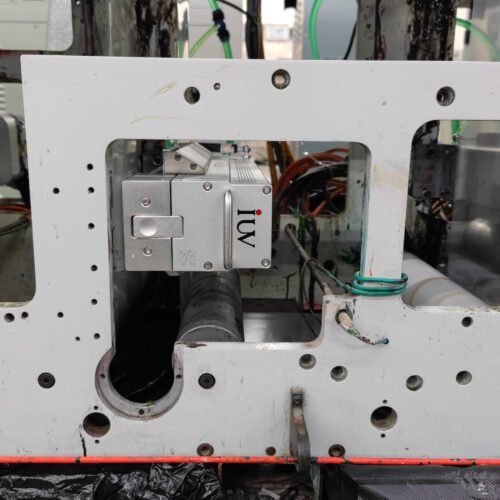
Retrofitting existing presses is a common approach, offering a cost-effective way to upgrade capabilities. Many manufacturers provide specialized LED curing modules designed to integrate seamlessly with popular flexographic, offset, and narrow web printing presses.
The Future is Energy-Efficient Curing
High-intensity LED UV curing technology is no longer a niche solution; it is rapidly becoming the standard for energy-efficient and high-performance UV curing in the printing industry. For label printers, narrow web converters, flexographic operations, and even those utilizing offset with UV, the potential for significant energy savings, coupled with enhanced productivity and environmental benefits, makes this technology a clear choice for the future. Embracing this innovation is not just about reducing costs; it’s about future-proofing operations and contributing to a more sustainable printing landscape.