Boost Your Bottom Line: Why UV Curing is a Game-Changer for Printers
In today’s competitive print market, efficiency and cost-effectiveness are paramount. Printers are constantly seeking ways to streamline operations and improve profitability. One technology that consistently delivers on these fronts is UV curing. Specifically, modern LED UV curing systems are proving to be a remarkably smart investment for businesses in label printing, flexographic printing, offset printing, and narrow-web applications.
Traditional printing methods often involve lengthy drying times. This can lead to production bottlenecks, increased energy consumption, and the use of solvent-based inks that pose environmental and health concerns. UV curing systems, on the other hand, utilize ultraviolet light to instantly cure inks, coatings, and adhesives. This photochemical process transforms liquid into a solid, durable finish in mere seconds.
The Financial Wins of Going UV
The most immediate benefit of adopting UV curing systems is often a significant reduction in operational costs. Let’s break down how.
1. Faster Production Speeds, More Output:
UV curing eliminates the need for extensive drying tunnels. Ink is cured as soon as it’s exposed to UV light. This means presses can run at much higher speeds. For narrow-web printers producing high volumes of labels, this translates directly into more product leaving the facility each day. Flexographic and offset printers also see a dramatic increase in throughput, allowing them to take on more jobs and serve a wider client base.
2. Reduced Energy Consumption:
Traditional drying methods, especially those using heat, consume a substantial amount of energy. This adds to your monthly utility bills. LED UV curing systems are far more energy-efficient. They direct the UV energy precisely where it’s needed, minimizing waste. Over time, this energy saving accumulates, leading to substantial cost reductions. The long lifespan of LED lamps also means fewer replacements and associated costs compared to older mercury vapor lamps.
3. Lower Ink and Material Costs:
UV inks and coatings often require less ink to achieve the same opacity and vibrancy as conventional inks. This means you can use less material per job. Furthermore, the instant cure means less ink or coating is likely to rub off or smudge during post-press handling, reducing waste due to spoilage. For label printers, this can be a significant saving when dealing with specialty finishes.
4. Reduced VOC Emissions and Environmental Compliance:
Solvent-based inks release Volatile Organic Compounds (VOCs) into the air. These contribute to air pollution and can require expensive ventilation and abatement systems to meet environmental regulations. UV-curable inks and coatings are typically formulated without solvents, or with very low VOC content. This not only creates a healthier working environment for your staff but also helps your business comply with increasingly stringent environmental standards, avoiding potential fines and operational shutdowns.
5. Enhanced Product Durability and Quality:
UV-cured inks and coatings produce a highly durable, scratch-resistant, and chemical-resistant finish. This improved product quality can lead to fewer customer complaints and returns. For label printers, especially those serving the food and beverage or cosmetic industries, this enhanced durability is crucial for brand integrity. The vibrant, crisp print quality also elevates the perceived value of the printed product.
UV Curing: A Perfect Fit for Diverse Printing Needs
For Narrow-Web and Label Printers:
The label printing industry is a prime candidate for UV curing. The demand for high-quality, durable labels with intricate designs is constant. UV systems enable printers to achieve brilliant colors, special effects like spot gloss or matte finishes, and tactile textures all in a single pass. The speed and efficiency gains are indispensable for high-volume label production. Whether it’s for consumer goods, industrial products, or promotional items, UV-cured labels stand out.
For Flexographic Printing:
Flexography, widely used for packaging, corrugated board, and flexible films, benefits immensely from UV curing. It allows for faster press speeds, leading to higher productivity on long runs. The ability to print on a wider range of substrates, including non-porous materials like plastics and foils, is greatly enhanced with UV technology. This versatility opens up new market opportunities for flexo printers.
For Offset Printing:
While offset printing traditionally relied on heatset or air-set inks, UV curing is revolutionizing the sector. UV offset presses can print on a wider variety of substrates, including plastics and thin papers, without the need for heat. This capability is particularly valuable for commercial printers producing items like business cards, brochures, and packaging where premium finishes are desired. The instant drying also eliminates the need for anti-set-off powders, keeping prints cleaner and reducing post-press cleaning.
The LED UV Advantage
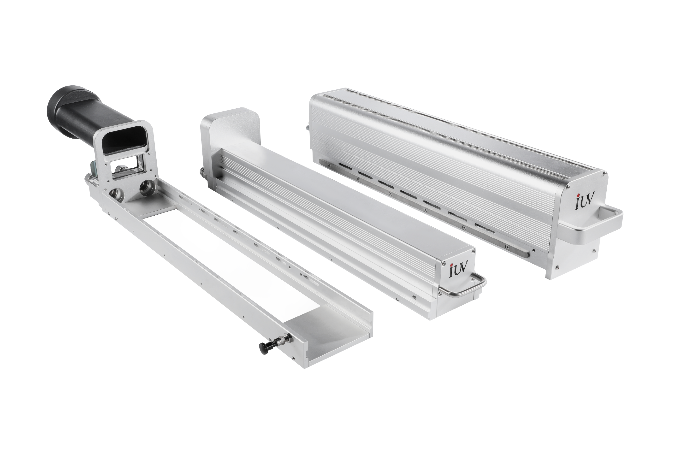
While traditional mercury vapor UV lamps have been around for a while, the advent of LED UV technology marks a significant advancement. LED UV systems offer several compelling advantages:
- Longer Lifespan: LED lamps can last tens of thousands of hours, drastically reducing downtime and replacement costs.
- Instant On/Off: Unlike mercury lamps that require warm-up and cool-down periods, LEDs are instantly on and off. This saves energy and is ideal for intermittent printing or spot curing.
- Lower Heat Output: LEDs emit less heat, which is beneficial for heat-sensitive substrates and improves the working environment.
- Consistent Output: LED UV output remains stable throughout their lifespan, ensuring consistent curing results.
- No Ozone Production: Traditional mercury lamps produce ozone, which requires ventilation. LEDs do not, further simplifying installation and improving air quality.
- Lower Power Consumption: LEDs are significantly more energy-efficient than their mercury counterparts.
Making the Smart Investment
Implementing UV curing systems, especially LED UV, is not just an upgrade; it’s a strategic move towards a more profitable and sustainable printing operation. The initial investment is quickly offset by reduced operational costs, increased production capacity, and the ability to offer higher-quality, more durable printed products. For printers looking to stay ahead of the curve, reduce their environmental footprint, and enhance their bottom line, investing in UV curing technology is a clear path forward. It’s a smart investment that pays dividends in efficiency, quality, and long-term profitability.