<!-- Meta Pixel Code --> <!-- 结束元像素代码 -->

Reduced Maintenance and Downtime with LED Curing in Narrow-Web Flexographic Presses

Reduced Maintenance and Downtime with LED Curing in Narrow-Web Flexographic Presses

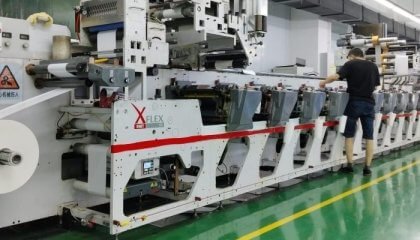
The label printing industry is constantly seeking ways to improve efficiency and reduce operational costs. For narrow-web flexographic presses, a significant advancement in this pursuit comes from the adoption of LED UV curing technology. Thisshift from traditional mercury lamps offers a host of advantages, particularly in reducing maintenance burdens and minimizing costly press downtime.

Understanding the Core Technology

Flexographic printing, or flexo, is a versatile printing technique that utilizes a flexible relief plate to transfer ink to a substrate. It’s a popular choice for labels and packaging due to its speed and adaptability to various materials. Narrow-web flexo refers to presses designed for printing on narrower substrates, commonly used for producing self-adhesive labels, shrink sleeves, and flexible packaging.

UV curing is a process where ultraviolet light is used to instantly dry or “cure” inks, coatings, or adhesives. Traditional UV curing systems rely on mercury vapor lamps. These lamps emit UV radiation across a broad spectrum, including heat. While effective, they come with their own set of challenges.

The Limitations of Traditional UV Curing

Mercury lamps have served the industry well for decades, but their limitations are becoming increasingly apparent. One of the primary concerns is their lifespan. Mercury lamps typically need replacement every 600 to 1,000 hours of use. This frequent replacement translates into direct costs for new lamps and, more critically, downtime for the press. The process of changing these lamps is time-consuming, requiring skilled technicians and careful handling.

Furthermore, mercury lamps generate substantial heat. This heat can impact sensitive substrates, potentially causing shrinkage or deformation, which is particularly problematic for thin label materials. The energy consumption of mercury lamps is also high, contributing to increased operating expenses. Managing the waste disposal of spent mercury lamps also presents environmental and regulatory hurdles.

Introducing LED UV Curing

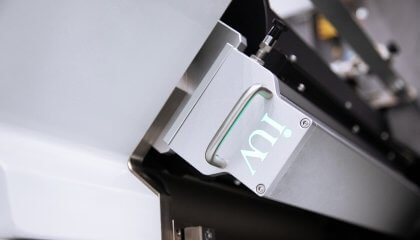
LED (Light Emitting Diode) curing technology represents a paradigm shift. Instead of a single, large mercury lamp, LED systems employ an array of light-emitting diodes. These diodes emit UV light within a very narrow, specific wavelength band. This precise wavelength is optimized to interact with the photoinitiators present in UV-curable inks and coatings, ensuring rapid and efficient curing.

The difference in spectral output is key. Mercury lamps emit a broad spectrum, including infrared radiation, which is essentially heat. LED curing, conversely, produces very little heat. This targeted emission is a game-changer for many printing applications.

Reduced Maintenance: A Key Advantage

One of the most compelling benefits of LED curing is the dramatic reduction in maintenance requirements. LED systems boast a significantly longer operational lifespan compared to mercury lamps. While mercury lamps might last for a few hundred to a thousand hours, LED arrays can function for 20,000 to 30,000 hours or even more. This drastically cuts down on the frequency of lamp replacements.

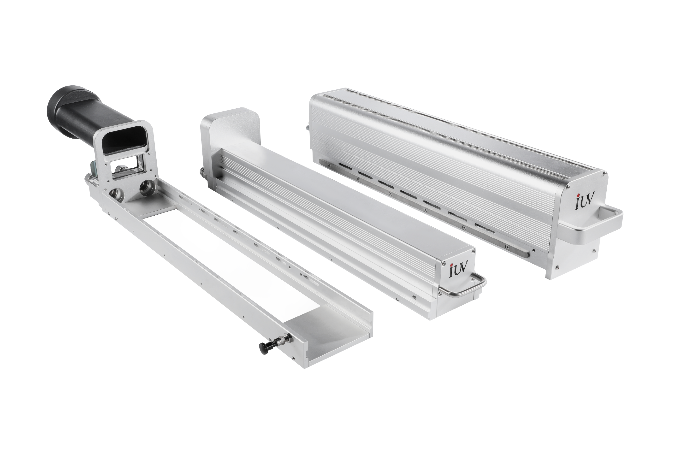
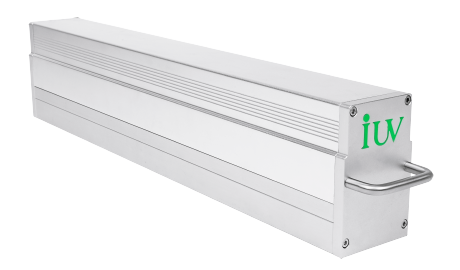
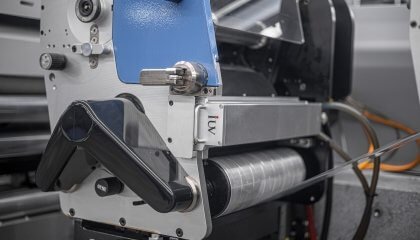
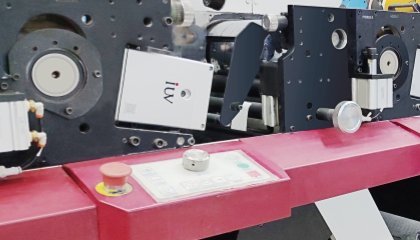
The physical design of LED systems also contributes to easier maintenance. They are typically more compact and robust, often featuring a modular design. This modularity means that if one LED emitter fails, it can often be replaced individually without needing to swap out an entire, large lamp unit. This simplifies the replacement process and reduces the labor involved. The absence of the complex cooling systems often required for mercury lamps further streamlines maintenance.

Minimizing Downtime: The Economic Impact

Downtime is the enemy of profitability in any manufacturing environment, and label printing is no exception. Every minute a flexo press is not running is a loss of potential revenue and an increase in the cost per job. The extended lifespan of LED curing systems directly translates into less frequent and shorter periods of downtime.

Consider the logistics of replacing a mercury lamp: ordering the lamp, scheduling the maintenance, the actual physical replacement, and then the warm-up time required for the new lamp to reach optimal curing intensity. Each of these steps consumes valuable production hours. With LEDs, these interruptions are spaced far apart, allowing for more consistent and uninterrupted printing runs.

The immediate on/off capability of LEDs also contributes to reduced downtime. Unlike mercury lamps that require a warm-up period, LEDs reach full intensity almost instantly. This means that when a job is paused and then restarted, the curing system is ready to go immediately, without any delay for warm-up. This is especially beneficial for short print runs or jobs with frequent changeovers.

Superior Curing Performance and Quality

Beyond maintenance and downtime, LED curing offers tangible improvements in print quality and performance. The precise wavelength output of LEDs ensures that the photoinitiators in UV inks are activated efficiently. This leads to thorough curing, resulting in enhanced ink adhesion, scratch resistance, and chemical resistance.

The low-heat nature of LED curing is particularly advantageous for heat-sensitive substrates. In narrow-web flexo, printers often work with thin films, foils, and papers that can be easily distorted or damaged by the heat generated by mercury lamps. LED curing allows printers to maintain tight tolerances and achieve high-quality results on a wider range of materials without compromising substrate integrity.

Furthermore, the consistent intensity and spectral output of LED systems over their lifespan contribute to more predictable and repeatable print results. This consistency reduces the need for constant color adjustments and makes it easier to achieve brand color standards across different print runs.

Energy Efficiency and Environmental Considerations

The energy consumption of LED curing systems is substantially lower than that of traditional mercury lamp systems. LEDs convert a higher percentage of electrical energy into UV light, with less energy wasted as heat. This translates into significant energy cost savings for printing operations.

Environmentally, LEDs are also a more sustainable choice. They do not contain mercury, eliminating the hazardous waste disposal issues associated with mercury lamps. Their longer lifespan also means less frequent replacement and, consequently, less manufacturing and transportation impact over time.

The Application in Narrow-Web Flexo

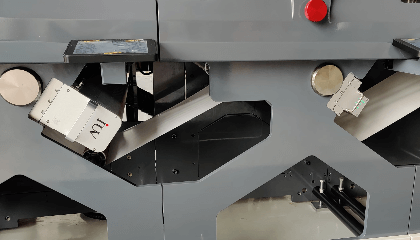
For narrow-web flexographic presses, the benefits of LED curing are amplified. These presses are often used for high-volume production of labels and flexible packaging. Any reduction in downtime and maintenance translates directly into increased throughput and profitability. The ability to cure on a wider range of substrates, including thin films, is crucial for many label applications like food and beverage labels, pharmaceuticals, and personal care products.

The precise control offered by LED systems is also invaluable for intricate designs and fine details often found in label printing. The instant curing prevents ink spread, ensuring sharp lines and vibrant colors. This technological advancement supports the growing demand for high-quality, eye-catching labels in a competitive market.

Cost-Benefit Analysis

While the initial investment in an LED curing system may be higher than for traditional UV systems, the long-term cost savings are substantial. The reduced spending on replacement lamps, lower energy bills, and minimized downtime contribute to a strong return on investment. Printers looking to optimize their narrow-web flexographic operations should carefully consider the total cost of ownership, factoring in reduced maintenance, less downtime, and improved energy efficiency.

Conclusion

The integration of LED UV curing technology into narrow-web flexographic presses represents a significant leap forward. The inherent advantages of reduced maintenance, minimized downtime, superior curing performance, and enhanced energy efficiency make it a compelling choice for label printers aiming to boost productivity and profitability. As the industry continues to evolve, LED curing is poised to become the standard for efficient and high-quality label production.

Contact IUV Curing Experts

滚动至顶部