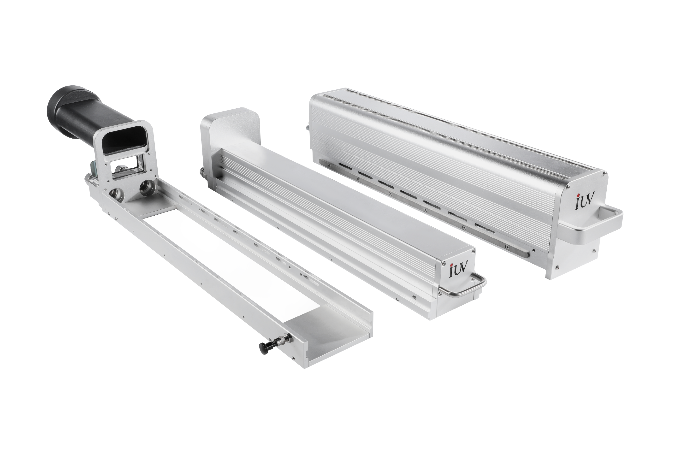
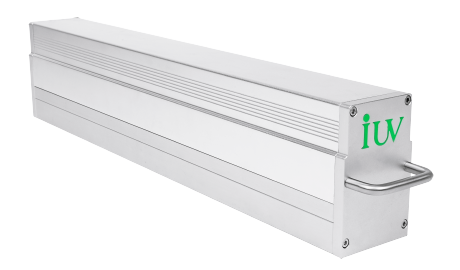
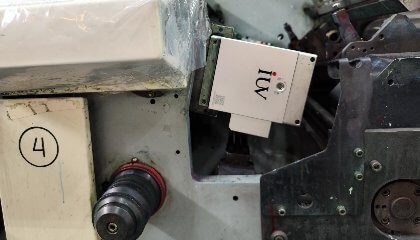
Modern printing operations face constant pressure to boost efficiency and cut expenses. Downtime directly impacts profitability, while high energy consumption adds to the overall cost of goods. Fortunately, advancements in UV LED curing technology offer a powerful solution for label printers, flexographic operations, offset printing houses, and narrow web converters. Transitioning to UV LED systems can significantly reduce both downtime and energy costs, leading to a more competitive and sustainable business.
The High Cost of Traditional Curing Methods
For decades, conventional UV curing systems, often using mercury vapor lamps, have been the standard in many print shops. While effective, these lamps come with inherent drawbacks. They generate a substantial amount of heat, which can affect substrate stability and require extensive cooling systems. This heat also contributes to premature degradation of sensitive inks and coatings, leading to defects and rework.
Mercury vapor lamps have a limited lifespan and require frequent replacement. This not only adds to material costs but also causes unplanned downtime for maintenance and changeovers. The disposal of mercury-containing lamps also presents environmental challenges and regulatory compliance concerns. Furthermore, these older systems often consume far more energy than necessary, even when not actively curing, due to their continuous operation and the need to manage their significant heat output.
The UV LED Advantage: A Paradigm Shift
UV LED curing systems represent a fundamental shift in how print is dried and finished. Instead of a broad spectrum of light and heat, LEDs emit a concentrated, specific wavelength of UV light tailored to initiate the photochemical reaction in UV-curable inks, coatings, and adhesives. This targeted approach brings about several critical benefits.
One of the most immediate advantages is the significant reduction in heat generated. UV LEDs produce very little infrared radiation, meaning less heat is transferred to the substrate. This is particularly beneficial for heat-sensitive materials commonly used in label printing and narrow web applications. Reduced heat also means less strain on cooling systems, further contributing to energy savings and simplified machine design.
Reducing Downtime with UV LED Technology
Downtime is the enemy of productivity in any printing environment. Whether it’s a flexographic press running labels or an offset machine producing commercial work, every minute a press is stopped costs money. UV LED curing systems are designed to minimize these interruptions in several key ways.
Longer Lifespan: Unlike mercury lamps that need replacing every few thousand hours, UV LED systems boast operational lifespans of 20,000 to 30,000 hours or even more. This drastically reduces the frequency of lamp replacements, eliminating a significant source of unplanned maintenance and associated downtime. The time saved on lamp changes alone can translate into hours of additional press uptime per year.
Instant On/Off: UV LEDs can be switched on and off instantaneously. This means they only consume energy and generate UV light when actively curing. This contrasts with mercury lamps, which require a warm-up period and remain hot even when not in use, leading to wasted energy and potential substrate issues. The ability to instantly activate and deactivate LEDs allows for precise control over the curing process, which can be crucial in high-speed printing environments and for managing complex job sequences.
Consistent Performance: Modern UV LED systems offer very stable and consistent UV output throughout their lifespan. This means less variation in cure quality, reducing the likelihood of print defects that might necessitate stopping the press for adjustments or rework. Consistent curing leads to fewer rejected jobs and a more predictable production flow.
Simplified Maintenance: With fewer lamp replacements and less heat to manage, the overall maintenance requirements for UV LED curing systems are significantly lower. This frees up valuable technician time and reduces the chances of breakdowns caused by complex cooling systems or frequent lamp module swaps.
Slashing Energy Costs with UV LED Curing
The energy savings offered by UV LED curing are substantial and have a direct impact on a print company’s bottom line.
Lower Power Consumption: UV LEDs are inherently more energy-efficient than traditional mercury lamps. They convert a much higher percentage of electrical energy directly into UV light, with minimal wasted energy as heat. This means that for the same curing performance, an LED system will consume a fraction of the electricity required by a mercury lamp system. For a press running multiple shifts, these savings can quickly accumulate.
No Standby Power Waste: As mentioned, LEDs only consume power when they are on. Traditional mercury lamps often draw power continuously to maintain their operational temperature, even when the press is momentarily stopped between passes or during job setup. This “standby” power waste is completely eliminated with UV LED technology.
Reduced Cooling Requirements: The low heat output of UV LEDs means that less energy is needed for cooling systems. Older UV systems often required powerful exhaust fans and chillers to manage the heat generated by the lamps. UV LED systems, by contrast, may require minimal or no additional cooling, further reducing the overall energy footprint of the printing process. This can also lead to a quieter working environment.
Applications in Specific Printing Sectors
The benefits of UV LED curing are particularly pronounced across various printing segments:
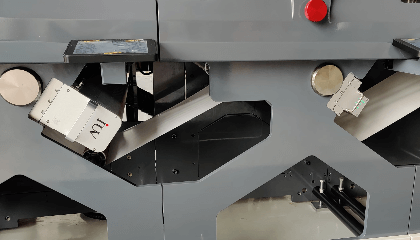
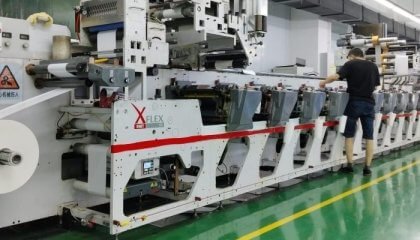
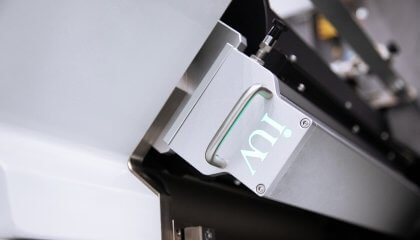
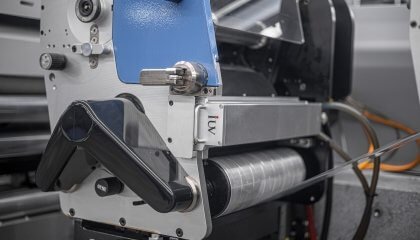
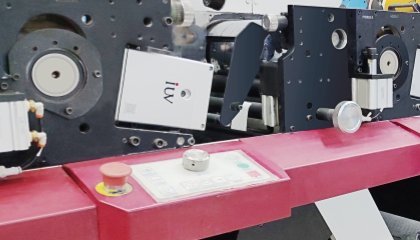
Narrow Web Printing: For label printers, especially those handling complex jobs with multiple embellishments, the ability of UV LEDs to cure quickly and without overheating delicate substrates like films and foils is invaluable. Reduced heat also minimizes web distortion, leading to sharper print registration and better overall quality. The compact nature of LED heads can also be advantageous for integrating into existing narrow web press designs.
Flexographic Printing: In flexo, where speed and efficiency are paramount for packaging and labels, UV LEDs offer rapid curing between print stations. This allows for higher press speeds and the ability to immediately apply subsequent colors or finishes without smudging or ink transfer. The consistent UV output ensures reliable curing across long print runs, crucial for maintaining brand color consistency.
Offset Printing: For sheetfed and web offset printers, UV LED curing enables faster throughput and the ability to print on a wider range of substrates, including plastics and non-porous materials, without concerns about excessive heat. The instant on/off capability is also beneficial for short-run, variable data printing where rapid job changes are common.
Specialty Coatings and Adhesives: UV LED technology is ideal for applying specialized coatings, varnishes, and adhesives. The precise wavelength control allows for optimized curing of different formulations, ensuring robust adhesion, high gloss, or matte finishes as required.
Making the Transition: Key Considerations
When considering a move to UV LED curing, print shops should evaluate several factors. The initial investment can be higher than for traditional systems, but the long-term savings in energy, consumables, and downtime typically provide a strong return on investment. It’s important to work with reputable suppliers who can offer systems compatible with your existing press configurations and provide expert advice on integration and optimization.
Understanding the specific UV wavelength requirements of your inks and coatings is also crucial. UV LED systems are available in various wavelength outputs (e.g., 365nm, 385nm, 395nm, 405nm), and selecting the correct spectrum ensures maximum cure speed and efficiency.
The Future is Bright (and Energy Efficient)
The shift towards UV LED curing is not just a trend; it’s a strategic imperative for print businesses looking to thrive in a competitive and environmentally conscious market. By embracing this advanced technology, print operations can unlock significant improvements in efficiency, reduce operational costs, and enhance their sustainability profile. Reducing downtime and energy costs are no longer distant goals but achievable realities with modern UV LED curing systems.