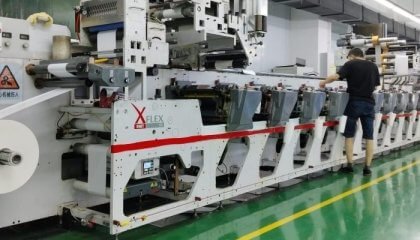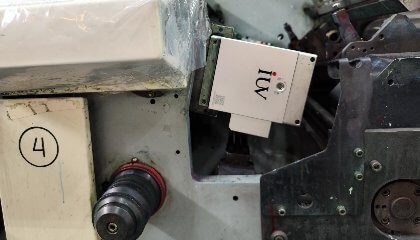
In the world of modern printing, ensuring that different inks perform well together is a significant challenge, especially when dealing with LED UV curing systems. The rise of UV curing in the printing industry has introduced numerous advantages, but it also requires a solid understanding of ink compatibility. LED UV systems, with their rapid curing and energy-efficient benefits, have revolutionized printing processes, including flexographic, letterpress, and narrow-web printing. However, they also present specific challenges, particularly when different types of inks need to be used together or when achieving consistent curing is critical.
Understanding LED UV Curing Technology
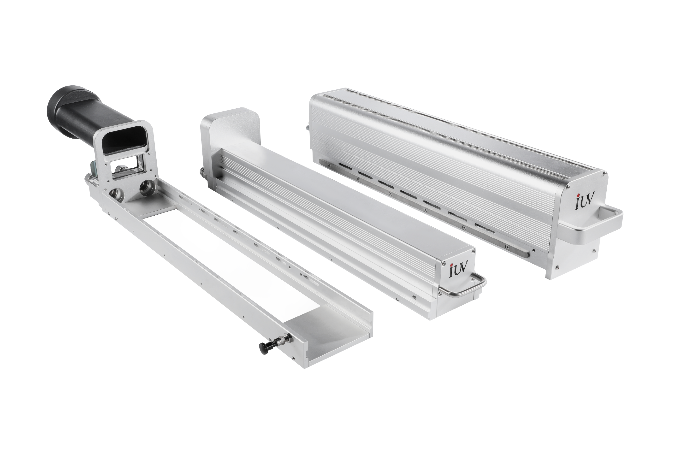
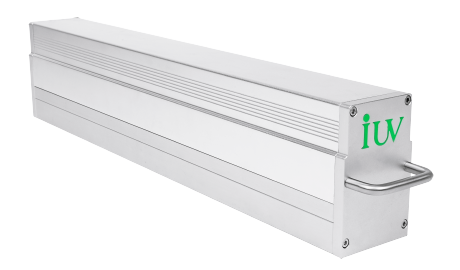
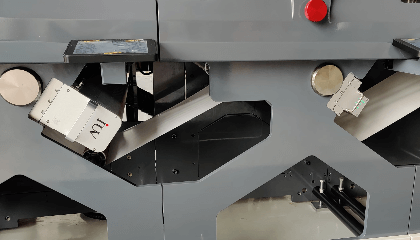
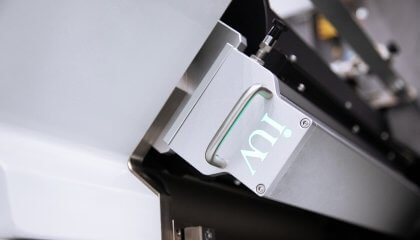
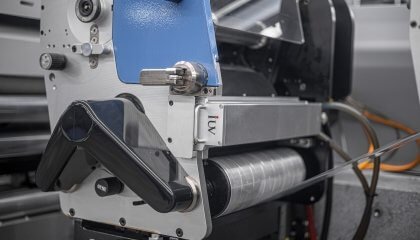
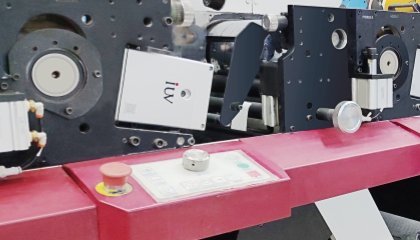
LED UV curing systems utilize light-emitting diodes (LEDs) to emit ultraviolet (UV) light that rapidly cures ink on printed materials. This process is faster than traditional UV curing systems, which use mercury vapor lamps, and offers several benefits, including energy efficiency, longer lamp life, and lower heat output. LED UV curing systems are particularly popular in the printing of flexible packaging, labels, and other narrow-web applications.
However, LED UV curing comes with a specific set of challenges. The first issue often arises from ink compatibility. Since LED UV systems operate at a specific wavelength (typically between 365 and 395 nm), inks designed for traditional UV curing may not cure properly under LED light. This can lead to issues with print quality, adhesion, and longevity of the print.
Ink Compatibility Challenges
Ink compatibility refers to the ability of various inks to work together without causing issues such as poor curing, color mismatch, or poor adhesion. In flexographic printing, letterpress printing, and other narrow-web applications, different types of inks may be used in the same print job. Each ink, whether it is solvent-based, water-based, or UV-curable, has its own set of properties, including its curing speed, adhesion characteristics, and chemical composition. When these inks interact in a multi-color printing process, achieving a balance of compatibility is essential for optimal performance.
One of the major challenges in UV printing is that traditional UV inks are formulated to be cured by mercury vapor lamps, which emit a broader spectrum of UV light. LED UV systems, on the other hand, emit a narrower spectrum of UV light. As a result, inks formulated for traditional UV systems may not fully cure under LED UV light, leading to issues such as smudging, insufficient adhesion, and poor scratch resistance.
The Role of Ink Formulation in LED UV Curing
Ink formulation is one of the most important factors when addressing ink compatibility with LED UV curing systems. Manufacturers of LED UV inks have developed specific formulations that are designed to cure under the narrower UV spectrum emitted by LED lamps. These inks often contain photoinitiators that are more responsive to the LED light source, ensuring that they cure properly even at lower energy levels.
In the case of flexographic printing, where inks are often designed for high-speed, high-volume runs, ink formulation becomes even more crucial. The flexibility and rapid curing capabilities of LED UV systems make them ideal for flexo applications, but only if the right LED UV inks are used. These inks need to adhere to a variety of substrates, including plastic films, paper, and coated materials, while maintaining their performance across different print jobs.
For letterpress and narrow-web printing, the compatibility of the ink with the LED UV curing system is similarly important. A common issue in these applications is achieving a uniform cure across a variety of substrates. Ink manufacturers have responded to this challenge by developing specialized LED UV inks that offer enhanced adhesion, flexibility, and overall performance on materials that are typically challenging to print on.
Selecting the Right Ink for LED UV Systems
Choosing the right ink is key to overcoming ink compatibility challenges. When selecting an ink for use in an LED UV curing system, it is essential to consider the following factors:
- Curing Speed: LED UV inks are designed to cure quickly under LED light. However, some inks may require slightly different curing times depending on the material being printed and the specific type of LED UV system used. Ensuring that the ink is compatible with the curing speed of the LED system is critical for achieving consistent print quality.
- Adhesion: Ink adhesion is one of the most critical aspects of the printing process. If the ink does not adhere well to the substrate, it can result in poor print quality and may cause the print to rub off or fade over time. LED UV inks are specifically designed to offer excellent adhesion to a variety of substrates, but the compatibility of the ink with the surface must still be considered.
- Ink Viscosity: The viscosity of the ink can affect the print quality and curing speed. In flexographic printing, for example, ink viscosity must be tailored to the requirements of the printing press. Inks with high viscosity may not flow smoothly, resulting in poor print quality, while low-viscosity inks may not cure properly under the LED UV light.
- Substrate Compatibility: The compatibility of ink with the substrate being printed is also a critical factor. LED UV inks are particularly effective on non-porous surfaces such as plastic films and coated papers, which are commonly used in flexible packaging and narrow-web printing. However, different substrates may require inks with varying levels of adhesion and curing properties.
Overcoming Compatibility Issues: Tips and Solutions
To overcome ink compatibility challenges when using LED UV curing systems, consider the following solutions:
- Use LED UV-Specific Inks: The easiest way to address ink compatibility issues is to use inks that are specifically formulated for LED UV curing systems. These inks are designed to respond to the LED wavelength and cure properly under lower energy conditions. Additionally, LED UV inks often offer better adhesion and durability on a wider range of substrates.
- Perform Pre-Press Testing: Before running large production runs, it is essential to conduct thorough pre-press testing to ensure that the ink and curing system are fully compatible. This testing will help identify any potential curing issues, ink compatibility problems, or adhesion failures before they affect the final product.
- Optimize Curing Parameters: Adjusting the curing parameters, such as exposure time and energy levels, can help improve the overall performance of the LED UV curing system. Fine-tuning the system for specific ink formulations and substrates ensures better curing and improved print quality.
- Work with Experienced Suppliers: Choosing the right ink supplier and UV curing system provider is crucial for successful printing operations. Experienced suppliers can offer expert advice on ink selection, system setup, and troubleshooting, helping to ensure smooth printing processes and high-quality results.
Conclusion
Incorporating LED UV curing systems into modern printing applications offers numerous advantages, from improved efficiency to enhanced print quality. However, overcoming the challenges related to ink compatibility is essential for maximizing the potential of LED UV technology. By carefully selecting LED UV-specific inks, optimizing curing parameters, and conducting thorough pre-press testing, print professionals can address these challenges and achieve excellent results across a wide range of substrates and print jobs. Whether working in flexographic printing, letterpress, or narrow-web applications, understanding the unique properties of LED UV inks and how they interact with various substrates is key to overcoming ink compatibility challenges and ensuring the success of LED UV curing in the printing industry.