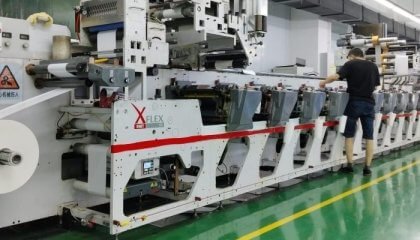
Narrow web flexographic printing is a powerhouse for label production. Its versatility shines when applying vibrant graphics and crucial product information. A key element in achieving high-quality, durable prints is the UV curing process. This technology transforms liquid ink into a solid layer almost instantaneously. However, not all UV inks are created equal, and each requires a tailored approach to curing. Optimizing UV curing for the diverse range of ink types used in narrow web flexo printing is not just about speed; it’s about ensuring adhesion, gloss, chemical resistance, and overall print integrity.
The Science Behind UV Curing
UV curing relies on ultraviolet light to initiate a photochemical reaction. Photoinitiators within the ink formulation absorb UV energy. This absorption triggers the formation of free radicals or cations. These highly reactive species then initiate a rapid polymerization process. Monomers and oligomers in the ink link together, forming a cross-linked polymer network. This network solidifies the ink, making it resistant to smudging, abrasion, and chemicals.
The speed of this process is remarkable. Traditional drying methods often involve evaporation, which can be slow and lead to ink migration. UV curing, by contrast, is an additive process. There’s no solvent to evaporate, meaning less waste and the ability to print on a wider array of substrates, including heat-sensitive materials.
Understanding Different UV Ink Chemistries
In narrow web flexo printing, several primary UV ink chemistries are commonly encountered, each with unique curing characteristics:
- UV Acrylate Inks: These are the workhorses of UV flexo printing. They offer excellent adhesion, good flexibility, and fast cure speeds. Their primary curing mechanism involves free-radical polymerization. They are a popular choice for a wide range of label applications due to their balance of performance and cost.
- UV Epoxy-Acrylate Hybrid Inks: These inks combine the benefits of epoxy resins and acrylate monomers. They often provide superior adhesion to challenging substrates and enhanced chemical resistance compared to pure acrylate inks. Their curing process can sometimes be slightly slower but results in a tougher, more resilient ink film.
- UV Oligomer-Based Inks: These formulations often use higher molecular weight oligomers, contributing to improved flexibility and scratch resistance. They are frequently employed for applications requiring extended durability, such as outdoor labels or products that undergo significant handling.
- UV Radiation-Curable Coatings: While not strictly inks, UV coatings are integral to many label applications. They protect the printed image, enhance gloss, or provide specific functional properties like rub resistance or matte finishes. Their curing requirements are similar to UV inks, but their optical properties are paramount.
Key Factors in Optimizing UV Curing
Achieving optimal UV cure involves a delicate balance of several critical factors. Ignoring any one of these can lead to under-cured or over-cured ink, resulting in print defects and performance issues.
1. UV Lamp Intensity and Wavelength
The intensity of the UV lamp, measured in milliwatts per square centimeter (mW/cm²), dictates how much UV energy is delivered to the ink. Higher intensity lamps cure ink faster and more efficiently. The wavelength of the UV light is equally important. Most UV inks are formulated to cure within specific UV spectral ranges, typically UVA (315-400 nm) and UVB (280-315 nm).
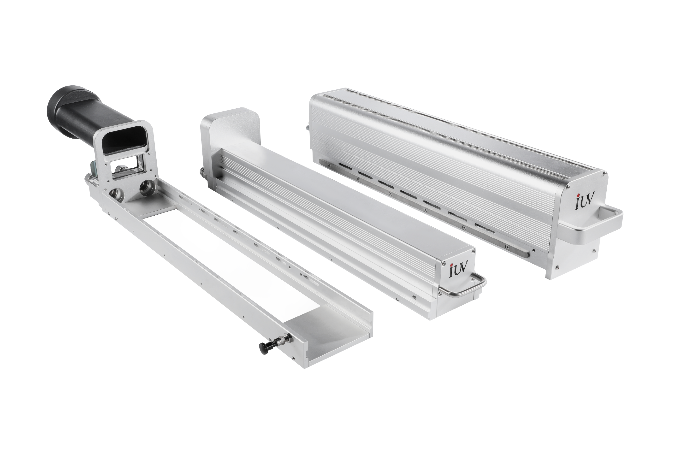
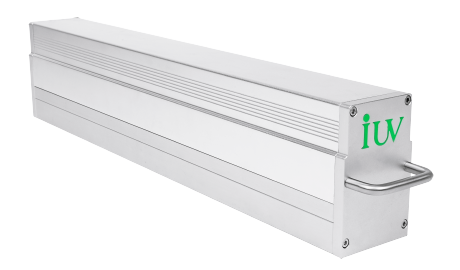
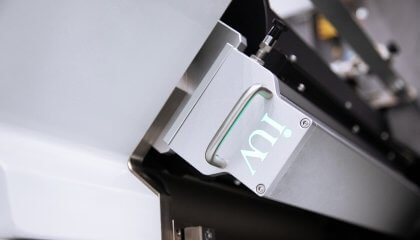
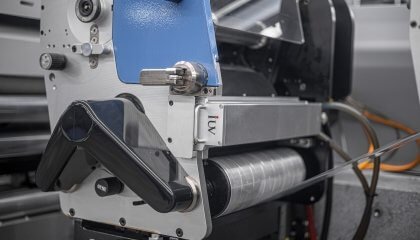
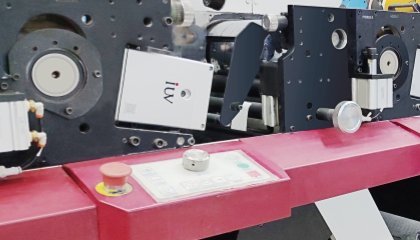
- LED vs. Mercury Vapor Lamps: Historically, mercury vapor lamps were the standard. They emit a broad spectrum of UV light. However, LED (Light Emitting Diode) curing technology has become increasingly dominant. LEDs offer numerous advantages:
- Specific Wavelengths: LEDs can be manufactured to emit very specific wavelengths (e.g., 365 nm, 395 nm). This precise emission matches the absorption peaks of photoinitiators, leading to more efficient curing and reduced energy consumption.
- Longer Lifespan: LEDs have a much longer operational lifespan than mercury lamps.
- Lower Heat Output: LEDs generate less heat, which is beneficial for heat-sensitive substrates and can reduce pressroom temperature fluctuations.
- Instant On/Off: This allows for immediate start-stop operation, saving energy and extending lamp life.
When optimizing, understanding the spectral output of your UV lamps (whether mercury or LED) and matching it to the photoinitiator package in your ink is crucial.
2. Exposure Time (Line Speed)
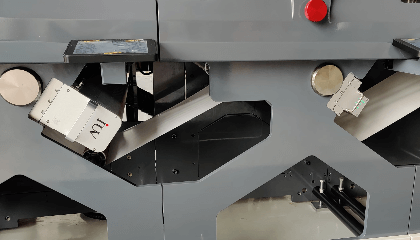
Exposure time is directly linked to the press’s line speed. The faster the press runs, the less time the ink has under the UV lamp. This means that as line speed increases, UV lamp intensity must also be increased to deliver the required energy dose for complete curing.
- Balancing Speed and Cure: A common optimization challenge is finding the sweet spot between maximum press speed and sufficient UV energy delivery. Pushing line speed too hard without adequate UV power will result in under-cured ink. Conversely, running at very slow speeds with high UV intensity can lead to over-curing, which can make the ink brittle or even scorch sensitive substrates.
3. Ink Film Thickness
The thickness of the ink layer is a critical determinant of cure depth. Thicker ink films require more UV energy to penetrate to the bottom and cure completely.
- Flexo Plate and Anilox Roll Selection: In flexo printing, ink film thickness is primarily controlled by the anilox roll cell volume and the doctor blade pressure. Selecting the correct anilox roll for the specific ink and desired print density is paramount. Too much ink will lead to curing issues, potential trapping problems, and increased ink consumption. Too little ink will result in weak color strength and poor coverage.
- Ink Viscosity: While anilox and plate determine the volume of ink laid down, ink viscosity affects how that ink transfers. Maintaining proper viscosity is essential for consistent ink laydown and, consequently, consistent film thickness.
4. Ink Formulation and Pigmentation
The composition of the UV ink itself plays a significant role in curing efficiency.
- Photoinitiator Concentration and Type: The type and amount of photoinitiators are specifically chosen by ink manufacturers to match the desired cure speed and UV light source. Different photoinitiators have varying absorption characteristics.
- Pigment Load and Type: Pigments are essential for color, but they can also interfere with UV light penetration. Highly opaque pigments, such as titanium dioxide (TiO2) or certain carbon blacks, can absorb and scatter UV light, hindering the curing process in thicker ink layers. This often necessitates higher UV energy or specialized photoinitiator packages for pigmented inks.
- Oligomer/Monomer Ratios: The balance of different oligomers and monomers affects the final ink properties and how easily they polymerize under UV light.
5. Substrate Properties
The substrate the ink is applied to can also influence UV curing.
- Surface Energy: Substrates with high surface energy generally promote better ink wetting and adhesion, which can indirectly aid in even curing.
- Color and Opacity: Dark or opaque substrates can absorb UV light, potentially reducing the amount of energy reaching the ink layer, especially if the substrate is on the “ink side” of the curing unit.
- Heat Sensitivity: As mentioned, LEDs are advantageous here due to their low heat output. Overheating can deform substrates or cause premature ink degradation.
Troubleshooting Common UV Curing Issues
Even with careful optimization, problems can arise. Here are some common issues and their likely causes:
- Tacky Ink: This is the classic sign of under-curing.
- Causes: Insufficient UV intensity, too high line speed, incorrect wavelength, thick ink film, or highly opaque pigments hindering penetration.
- Solutions: Increase UV lamp power, reduce line speed, check UV lamp output and bulb health, optimize anilox selection for thinner ink films, or consider inks with faster-curing photoinitiators.
- Poor Adhesion: The ink rubs or peels off the substrate.
- Causes: Under-curing is often the primary culprit. Also, low substrate surface energy or contamination on the substrate surface.
- Solutions: Ensure full cure first. If cure is confirmed, check substrate surface preparation (e.g., corona treatment) and ensure no contaminants are present. Test ink-substrate compatibility.
- Brittleness or Cracking: The cured ink film is too stiff and breaks easily.
- Causes: Over-curing, or using an ink formulation that is not flexible enough for the substrate’s movement or application.
- Solutions: Reduce UV intensity or exposure time. Consider using a more flexible UV ink or coating formulation.
- Gloss Variation: Inconsistent gloss levels across the print.
- Causes: Uneven ink laydown (anilox issues), inconsistent UV exposure across the web width, or variations in substrate surface.
- Solutions: Check anilox roll condition and ink transfer. Ensure UV lamps are evenly distributed and outputting consistent energy across the web.
The Future of UV Curing in Narrow Web Printing
The trend towards sustainability, efficiency, and higher print quality continues to drive innovation in UV curing. LED technology will undoubtedly play an even larger role, enabling faster speeds, reduced energy footprints, and the ability to print on an ever-wider range of materials. Ink manufacturers are constantly developing new formulations that cure faster, offer superior performance, and are more environmentally friendly.
For label printers, staying abreast of these advancements is key. Understanding the nuances of different UV ink types and mastering the variables of the UV curing process are not just technical challenges; they are opportunities to enhance print quality, reduce waste, and gain a competitive edge in the demanding narrow web flexo market. By meticulously controlling UV lamp output, line speed, ink film thickness, and ink chemistry, printers can unlock the full potential of UV curing, delivering exceptional labels that meet and exceed customer expectations.