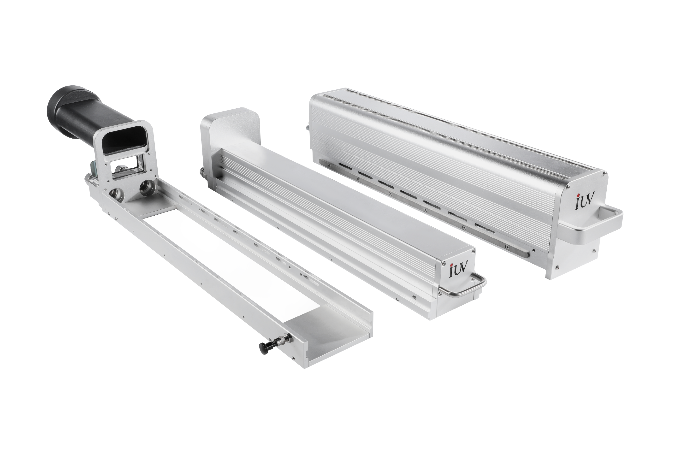
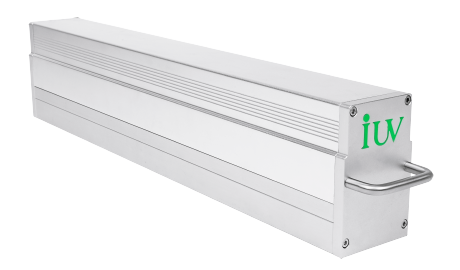
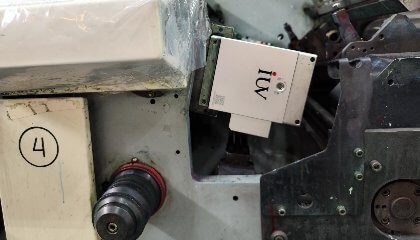
In the world of printing, particularly in the flexible and narrow-web sectors, technological advancements play a crucial role in enhancing print quality and efficiency. One such innovation is the LED UV curing system, which has revolutionized the use of low-migration inks in applications like food packaging, labels, and other sensitive printing surfaces. This article delves into the importance of LED UV curing in the printing industry, its role in low-migration ink applications, and why it’s becoming the go-to solution for modern printing needs.
Understanding LED UV Curing Technology
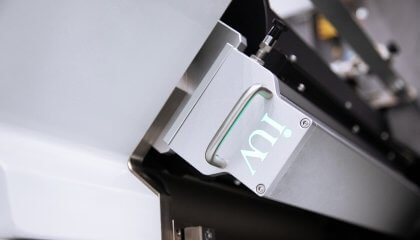
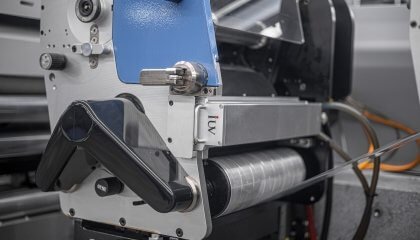
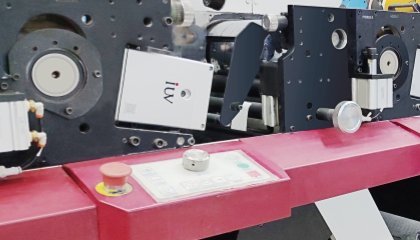
UV curing is a process that uses ultraviolet light to quickly dry or cure inks and coatings on a printed surface. Traditional UV curing systems rely on mercury vapor lamps, which emit UV light when an electrical current passes through them. However, LED UV curing systems use light-emitting diodes to produce ultraviolet light, offering several advantages over their traditional counterparts.
LED UV curing is energy-efficient, produces less heat, and has a much longer lifespan than mercury lamps. This makes it a more sustainable option for the printing industry. Additionally, LED UV lights emit a specific wavelength of UV light, making them highly effective for curing inks and coatings, ensuring fast drying times and superior print quality.
The Growing Demand for Low-Migration Inks
Low-migration inks are designed to minimize the risk of harmful substances leaching into food products or other sensitive materials. These inks are particularly important in applications like food packaging, where the printed surface may come into contact with edible goods. Unlike conventional inks, low-migration inks are formulated to have minimal interaction with the surface they are printed on, thus preventing any migration of harmful chemicals into food or pharmaceutical products.
As consumers and regulatory bodies become more aware of potential health risks, there is increasing pressure on manufacturers to adopt safer printing practices. This has led to a growing demand for low-migration inks, especially in sectors that require food-safe packaging and labels. To meet these demands, printing technologies must be able to cure these inks effectively without compromising on print quality or efficiency.
Why LED UV Curing is Ideal for Low-Migration Inks
LED UV curing systems offer a perfect solution for curing low-migration inks due to their precise curing capabilities and reduced heat output. Here’s how LED UV curing systems support the effective use of low-migration inks:
Fast Curing Time
One of the primary advantages of LED UV curing is the speed at which it cures inks. Low-migration inks, especially those used in food packaging, need to be cured quickly to prevent the migration of chemical substances into the food product. Traditional curing methods, such as air drying or conventional UV curing, can be too slow or inconsistent for these types of applications. LED UV curing, on the other hand, cures inks almost instantly upon exposure to light, ensuring a faster production cycle and reducing the risk of migration.
Lower Heat Output
Low-migration inks are sensitive to heat, and excessive heat during the curing process can lead to migration of chemicals, altering the ink’s performance and potentially causing safety concerns. LED UV curing systems are much cooler than traditional UV lamps, emitting significantly less heat during the curing process. This makes LED UV curing an ideal choice for printing on heat-sensitive substrates and for ensuring that low-migration inks retain their integrity throughout the curing process.
Precise Wavelength Control
LED UV curing systems can be tuned to emit a specific wavelength of UV light, which is particularly beneficial for curing low-migration inks. The ability to precisely control the wavelength allows for better adhesion and curing of inks while minimizing the risk of incomplete curing. This ensures that the ink does not release harmful substances or lose its functional properties over time, providing a more reliable and safe print.
Energy Efficiency
Energy efficiency is a critical consideration in today’s environmentally-conscious market. LED UV systems consume less power than traditional UV curing systems, which helps reduce the carbon footprint of printing operations. The energy savings can be significant, especially for high-volume printers, making LED UV systems a more cost-effective and sustainable option in the long term.
Application of LED UV Curing in Flexographic and Narrow-Web Printing
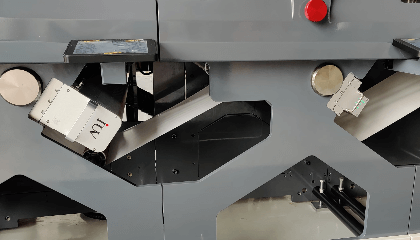
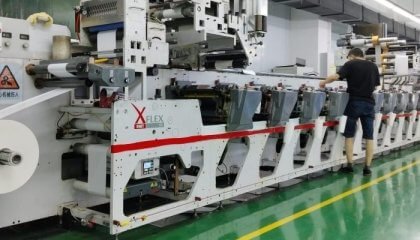
Flexographic printing, especially in narrow-web applications such as label printing, is one of the sectors that has greatly benefited from the adoption of LED UV curing technology. Flexographic printing uses flexible relief plates to transfer ink onto a substrate, and it is commonly used for packaging, labels, and other product-related prints.
Flexographic printing is well-suited for LED UV curing due to its compatibility with fast-drying inks, and it can accommodate a wide range of materials. The rapid curing time of LED UV lamps allows for high-speed printing, which is essential in industries where efficiency and turnaround time are critical.
Narrow-web printing, in particular, has seen significant improvements with the introduction of LED UV curing. Narrow-web presses are typically used for small-scale, high-quality print runs like labels, shrink sleeves, and flexible packaging. LED UV curing allows printers to produce crisp, vibrant prints on these substrates, ensuring that low-migration inks are effectively cured without compromising print quality.
LED UV Curing in Offset Printing
In addition to flexographic and narrow-web printing, LED UV curing is also being increasingly used in offset printing, a technique that involves transferring ink from a metal plate onto a rubber blanket, and then to the printing surface. Offset printing is widely used for producing high-quality prints on a variety of substrates, including paper, cardboard, and plastics.
The use of LED UV curing in offset printing is particularly beneficial in applications that require low-migration inks, as it provides faster curing times and more consistent results compared to conventional curing methods. Furthermore, LED UV curing ensures that inks dry quickly and remain stable, which is essential for packaging that comes into contact with sensitive products.
The Benefits of LED UV Curing in the Printing Industry
The widespread adoption of LED UV curing systems in the printing industry brings several key benefits:
Enhanced Print Quality
LED UV curing provides a smoother, more consistent finish, ensuring that prints are sharp, vibrant, and durable. This is crucial in industries such as packaging and labeling, where print quality directly impacts the product’s shelf appeal and consumer perception.
Reduced Environmental Impact
By using less energy and emitting fewer pollutants, LED UV curing is an environmentally friendly choice for printers. Additionally, LED systems have a longer lifespan than traditional UV lamps, reducing the need for frequent replacements and further decreasing waste.
Cost Savings
While the initial investment in LED UV curing systems may be higher, the long-term cost savings in energy consumption, reduced waste, and lower maintenance costs make it a cost-effective choice for many printers. The fast curing times also lead to quicker production cycles and greater throughput, which boosts overall profitability.
Conclusion
LED UV curing systems offer a high-performance, environmentally friendly, and cost-effective solution for the printing industry, especially when dealing with low-migration inks. Their ability to cure inks quickly and efficiently, coupled with their lower heat output and energy savings, makes them the ideal choice for printing applications in sensitive industries like food packaging and pharmaceuticals. As the demand for low-migration inks continues to grow, LED UV curing will undoubtedly play an essential role in ensuring that these inks are safely and effectively cured without compromising on print quality or production efficiency.