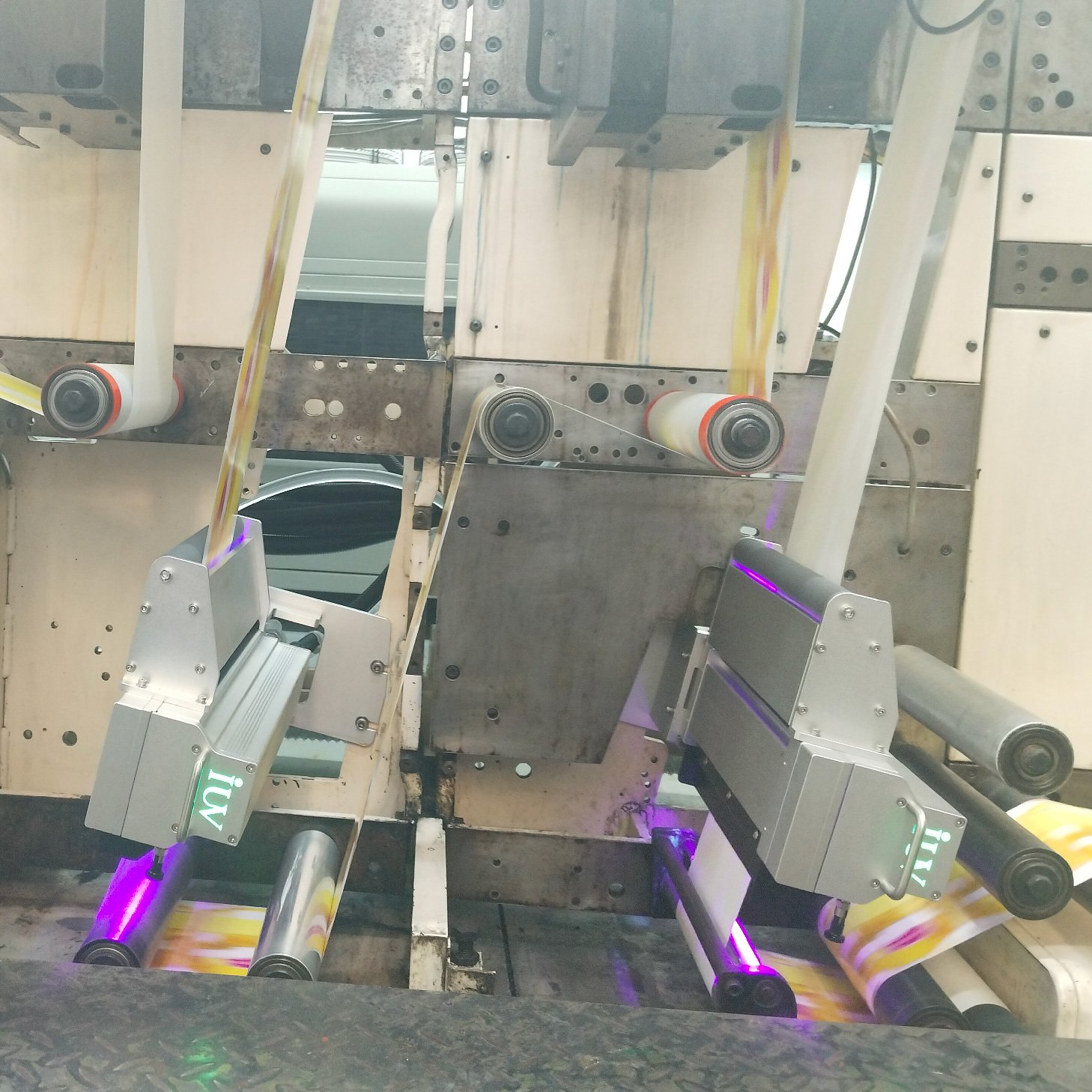
Industrial printing is constantly evolving, seeking ways to improve quality, reduce waste, and increase throughput. One significant advancement revolutionizing the sector is LED UV curing systems. These systems offer a powerful combination of strength, durability, and efficiency, making them an increasingly popular choice across various printing processes. For businesses in label printing, flexography, offset, and narrow-web printing, understanding the advantages of LED UV curing is crucial for staying competitive.
The Power of UV Light in Printing
Traditionally, printing inks and coatings required air-drying or heat curing. These methods often involved volatile organic compounds (VOCs) and could be slow, energy-intensive, and sometimes compromise the final print quality. Ultraviolet (UV) curing, on the other hand, utilizes UV light to initiate a rapid photochemical reaction that solidifies (cures) inks and coatings almost instantaneously. This process is often referred to as “cold cure” technology, as it generates very little heat compared to traditional methods.
What Makes LED UV Curing Stand Out?
While traditional mercury vapor UV lamps have been the standard for some time, Light Emitting Diode (LED) UV curing systems represent a significant leap forward. They harness the power of solid-state semiconductor devices to emit UV light. This fundamental difference in technology translates into a host of tangible benefits for industrial printers.
Unlocking Superior Strength and Durability
One of the most compelling reasons to adopt LED UV curing is the enhanced strength and durability it imparts to printed materials. When UV-curable inks and coatings are exposed to the specific wavelengths of UV light emitted by LED systems, they undergo rapid polymerization. This process forms a highly cross-linked polymer network.
For Label Printing: In the demanding world of label printing, where products are handled, exposed to chemicals, and subjected to various environmental conditions, durability is paramount. LED UV curing creates inks and coatings that are highly resistant to scratching, abrasion, and chemical attack. This means labels remain legible and attractive throughout their intended lifespan, whether on food packaging, industrial goods, or automotive components. The instant cure also prevents ink rub-off, a common problem with conventional inks, ensuring brand integrity.
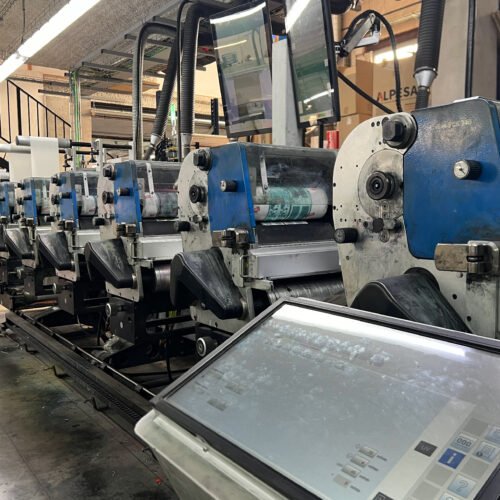
In Flexography and Narrow-Web Printing: Flexography, particularly in narrow-web applications for labels and flexible packaging, benefits immensely from the precision and toughness offered by LED UV curing. The rapid curing locks down the ink immediately, preventing smudging and allowing for finer details and sharper lines. This enhanced durability is critical for applications where labels might be exposed to moisture, oil, or constant friction. The ability to print on a wider range of substrates, including heat-sensitive films, without damaging them is another significant advantage.
For Offset Printing: While offset printing traditionally uses heat-set or oxidative inks, LED UV curing is increasingly being adopted, especially in sheet-fed and narrow-web offset. The resulting prints exhibit superior rub resistance and can achieve higher gloss levels. This is vital for commercial printing, packaging, and special effect applications where the tactile and visual appeal of the print are just as important as its resilience.
The Efficiency Advantage: Speed and Savings
Beyond physical properties, LED UV curing systems deliver significant operational efficiencies that directly impact a printer’s bottom line.
Faster Production Speeds: The near-instantaneous curing provided by LED systems allows printing presses to run at much higher speeds. This is because the ink is fully cured before the substrate moves to the next station or is wound. This drastically reduces bottlenecks in the production process, leading to increased throughput and faster turnaround times for clients.
Reduced Energy Consumption: Compared to traditional mercury vapor UV lamps, LED UV systems are remarkably energy-efficient. They consume significantly less power to achieve the required curing intensity. Furthermore, LEDs only emit UV light when they are turned on, unlike mercury lamps which require a warm-up period and often operate at full power even when not actively curing. This leads to substantial savings on electricity bills and a reduced carbon footprint.
Lower Operating Costs: The longevity of LED lamps is another major cost-saving factor. While mercury lamps have a limited lifespan and require frequent replacement and disposal, LED systems can operate for tens of thousands of hours. This minimizes downtime associated with lamp changes and reduces the ongoing cost of consumables.
Wider Substrate Compatibility: The low heat emission of LED UV curing systems is a game-changer for printing on heat-sensitive materials like thin films, plastics, and certain types of paper. Traditional heat curing methods could warp, melt, or otherwise damage these delicate substrates. LED UV curing allows printers to expand their service offerings and handle a broader range of printing projects without compromising material integrity.
Environmental Benefits: The absence of VOCs in UV-curable inks means cleaner emissions and a healthier working environment. Coupled with the reduced energy consumption, LED UV curing systems align with growing demands for sustainable printing practices.
Integrating LED UV Curing into Your Workflow
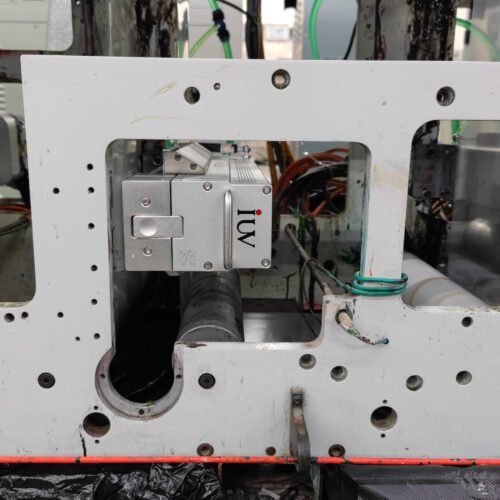
Adopting LED UV curing technology involves selecting the right system for your specific printing press and application. Key considerations include the required UV wavelength (typically in the UVA spectrum for most inks), the intensity needed for proper curing, and the physical integration into the printing press.
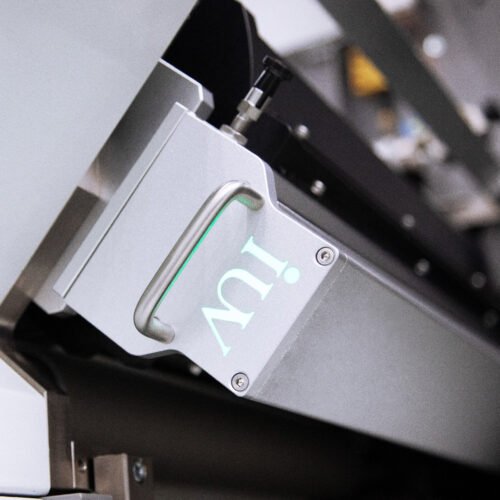
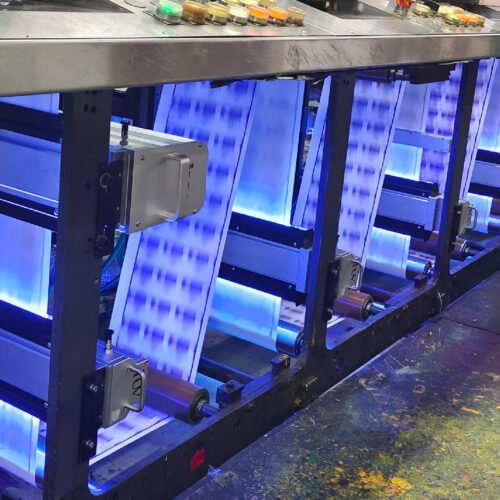
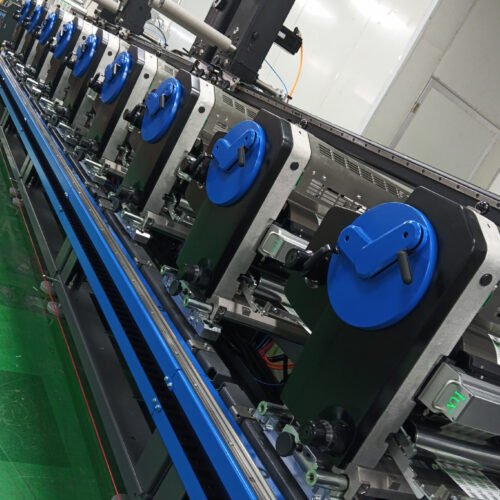
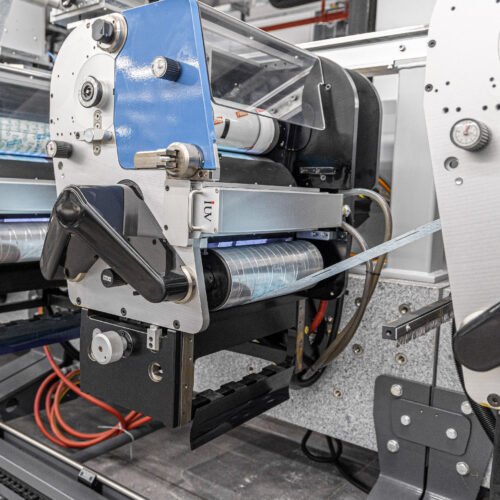
Flexographic and Narrow-Web Presses: For these presses, inline LED UV curing units are common. They are strategically placed after the print stations to cure the ink immediately. This allows for multi-color printing with spot color effects and varnishes without ink transfer issues between stations.
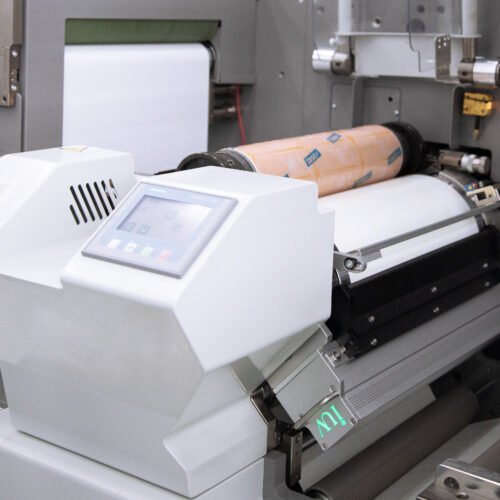
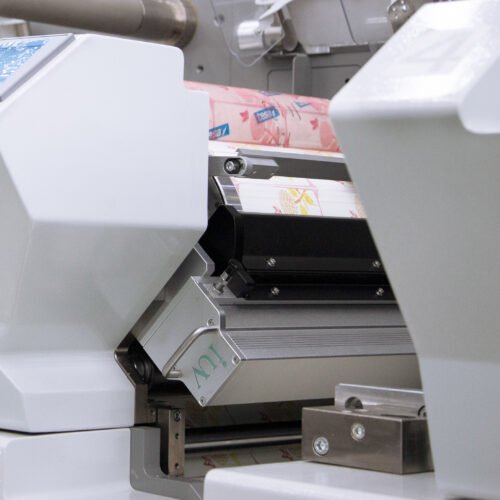
Offset Presses: In offset printing, LED UV curing modules can be installed at the end of the press, or in between print units for specific effects or to speed up drying for subsequent processes. This is particularly beneficial for uncoated stocks or when overprinting.
The Future is Bright with LED UV
The combination of superior print strength and durability, coupled with remarkable operational efficiency and environmental advantages, makes LED UV curing systems a compelling investment for any modern printing business. Whether you are involved in high-volume label production, intricate flexographic designs, or versatile offset printing, embracing this technology can unlock new levels of quality, speed, and profitability. As the technology continues to advance, we can expect even more innovative applications and benefits to emerge, solidifying LED UV curing as a cornerstone of industrial printing for years to come.