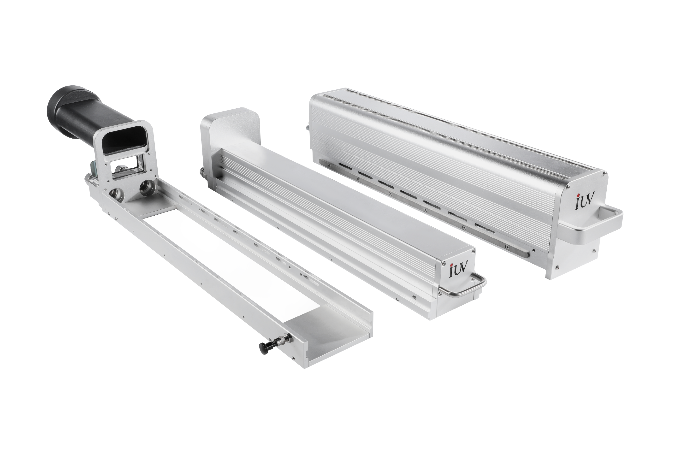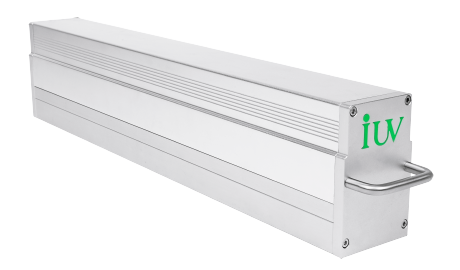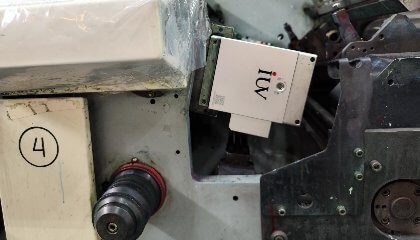
The quest for superior print quality and efficient production in the narrow web printing industry has led to significant technological advancements. Among these, LED UV curing systems have emerged as a transformative force. They offer unparalleled control over the curing process, directly impacting print uniformity and the integrity of the printed surface. This article explores how these advanced systems are revolutionizing label printing, flexography, and offset lithography.
Achieving Uniformity: The Challenge in Narrow Web Printing
Narrow web printing, commonly used for labels and flexible packaging, presents unique challenges. High-speed presses, diverse substrate materials, and intricate designs demand consistent ink application and curing. Inconsistent curing can lead to a host of problems: poor adhesion, scuffing, blistering, and variations in color density. These issues not only compromise the final product’s aesthetic appeal but also its functional performance. Achieving a truly uniform cure across the entire printed area, especially on non-porous substrates, has historically been a significant hurdle. Traditional mercury vapor lamps, while effective, often generated uneven heat and light intensity. This variability could lead to under-cured areas or scorching, impacting both the ink and the substrate.
The Precision of LED UV Curing
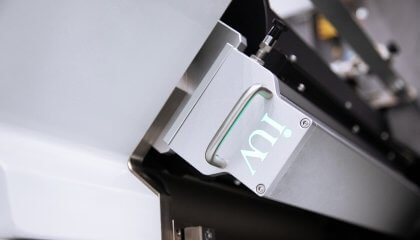
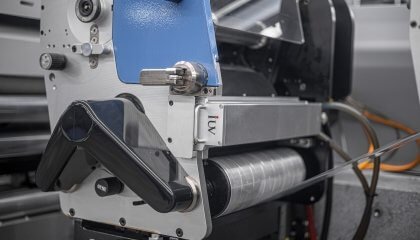
LED UV curing systems offer a fundamentally different approach. Instead of broad-spectrum light from mercury lamps, LEDs emit light within specific wavelength ranges, precisely tuned to the photoinitiators in UV-curable inks and coatings. This targeted emission provides several key advantages for uniformity and surface curing.
Firstly, LED arrays can be designed with exceptional uniformity. Multiple LEDs are strategically placed to deliver a consistent light intensity across the entire web width. This eliminates the “hot spots” and “cold spots” often associated with older lamp technologies. For narrow web applications, where precision is paramount, this consistent energy delivery is a game-changer. It ensures that every part of the printed image receives the same amount of UV energy, leading to a more homogeneous cure.
Secondly, the spectral output of LEDs is highly controllable. This allows printers to select LED systems that precisely match the absorption spectra of their specific UV inks and coatings. This targeted curing process is inherently more efficient. It means less wasted energy and a more complete, uniform polymerization of the ink film. This direct correlation between light output and ink chemistry is crucial for achieving optimal surface properties.
Enhancing Surface Curing for Durability
Surface curing is about more than just drying; it’s about forming a robust, durable layer on the print. This is particularly vital for labels that endure handling, exposure to chemicals, or abrasion. LED UV curing excels in this regard due to its ability to deliver high peak irradiance.
High irradiance means a rapid and intense burst of UV energy. This is especially beneficial for curing the very top layer of the ink or coating. A well-cured surface offers enhanced scratch resistance, improved chemical resistance, and a superior finish, whether it’s a matte or high-gloss effect. The precise wavelength control also means that the energy is focused on initiating the polymerization reaction at the surface, rather than penetrating too deeply and potentially damaging the substrate or underlayers.
For applications like wine labels, cosmetic packaging, or industrial labels, where durability is non-negotiable, the surface curing capabilities of LED UV systems are invaluable. They ensure that the printed information remains legible and the label’s appearance is preserved throughout its lifecycle.
Impact on Key Narrow Web Printing Technologies
The benefits of LED UV curing are profoundly felt across various narrow web printing technologies:
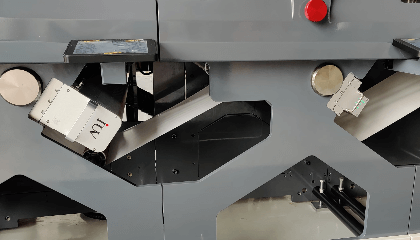
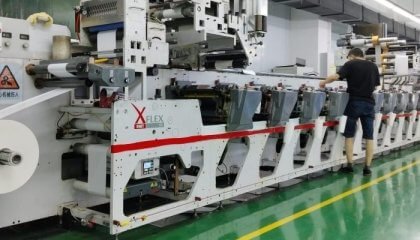
Flexographic Printing: Flexo is a workhorse in label printing. The flexibility of the printing plates and the wide range of inks make it versatile. However, achieving consistent ink transfer and rapid curing at high speeds can be challenging. LED UV curing integrates seamlessly with modern flexo presses. The instant on/off capability of LEDs allows for precise control over curing between print stations. This prevents ink from migrating or smudging, ensuring sharp dot reproduction and vibrant colors. The uniform energy delivery from LED arrays contributes to a consistent ink film thickness and a uniform cure, leading to better adhesion and rub resistance.
Offset Lithography (Narrow Web): While less common than flexo for narrow web, offset lithography is used for high-quality, short-run labels. LED UV curing is particularly well-suited for offset. The technology enables faster press speeds and the use of a wider array of substrates, including heat-sensitive films. In offset, precise ink film control is critical. LED UV curing ensures that the ink is cured instantly upon transfer, preventing set-off and allowing for immediate handling. The enhanced surface curing leads to improved print clarity and the ability to achieve brilliant, opaque colors even on dark or transparent materials.
Specialty Printing and Coatings: Beyond standard inks, LED UV systems are ideal for applying specialty coatings, varnishes, and adhesives. This includes high-build varnishes for tactile effects, soft-touch coatings, or functional coatings that require excellent surface integrity. The precise wavelength control allows for curing of specific formulations without degrading the substrate or underlying ink layers. This opens up new possibilities for product differentiation and added value in the label market.
Advantages Beyond Print Quality
The advantages of LED UV curing extend beyond just enhanced print uniformity and surface curing. They contribute significantly to operational efficiency and sustainability:
- Energy Efficiency: LEDs consume significantly less energy than traditional mercury lamps. They also only draw power when they are on, meaning no wasted energy during press stops or makeready.
- Longer Lifespan: LED systems have a much longer operational life than mercury lamps, reducing downtime for replacements and associated maintenance costs.
- Instant On/Off: This feature allows for immediate starting and stopping of the curing process, which is crucial for high-speed presses and reduces energy waste.
- Lower Heat Output: LEDs emit very little infrared heat. This is particularly beneficial when printing on heat-sensitive substrates like thin films, preventing distortion or damage. The reduced heat load on the press also contributes to a more stable operating environment.
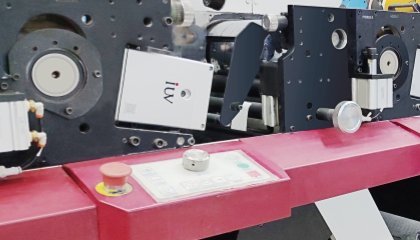
- Compact Size: LED curing units are typically more compact, making them easier to integrate into existing narrow web press configurations without requiring extensive modifications.
- Environmental Benefits: The absence of ozone generation, unlike mercury lamps, improves working conditions. The overall lower energy consumption also contributes to a reduced carbon footprint.
Conclusion: A Smarter Path to Superior Narrow Web Prints
LED UV curing systems represent a significant leap forward for the narrow web printing industry. Their inherent precision in light delivery, controllable spectral output, and ability to achieve high irradiance translate directly into superior print uniformity and robust surface curing. For flexographic and offset printers focused on labels and flexible packaging, adopting LED UV technology is not just about staying current; it’s about unlocking new levels of quality, durability, and operational efficiency. The result is a more consistent, higher-performing printed product that meets the demanding expectations of today’s market.