<!-- Meta Pixel Code --> <!-- 结束元像素代码 -->

LED UV Curing Systems: Energy Savings and Sustainability in Printing

LED UV Curing Systems Energy Savings and Sustainability in Printing

In the modern printing industry, the demand for faster production speeds, better quality, and environmentally responsible processes has never been higher. One of the most promising technologies in this regard is the LED UV curing system. LED UV curing has become a game-changer in printing applications, offering energy efficiency, sustainability, and superior curing capabilities, especially in flexible packaging, narrow web printing, and flexographic printing. In this article, we will explore the key advantages of LED UV curing systems in printing, focusing on energy savings and their contribution to sustainability.

Understanding LED UV Curing Technology

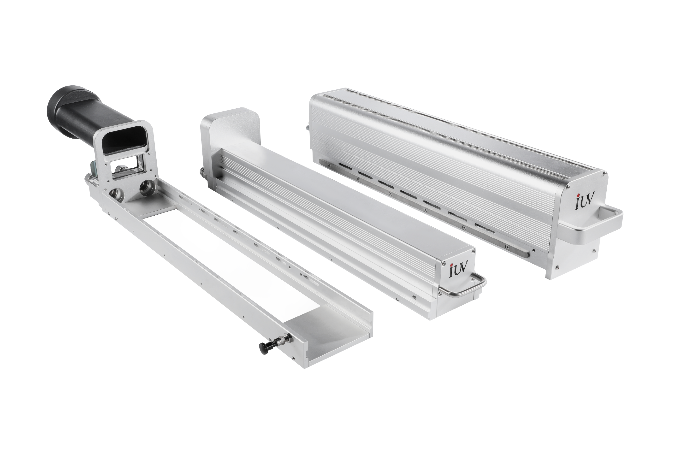
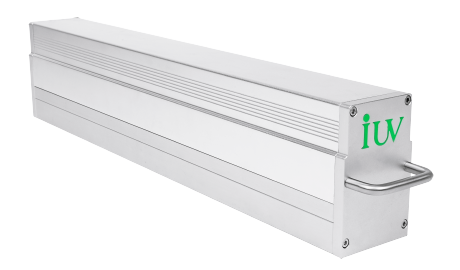
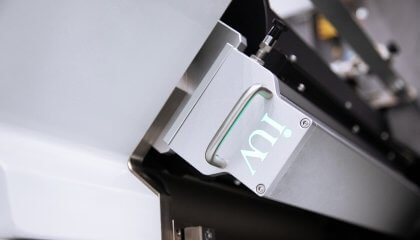
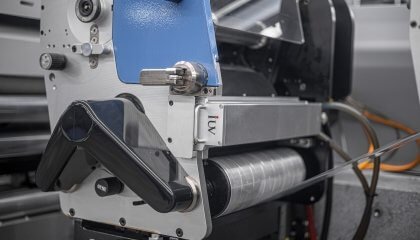
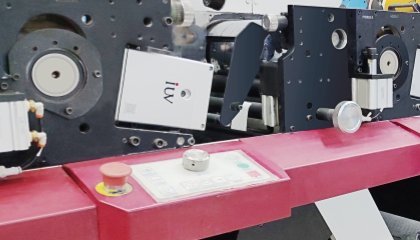
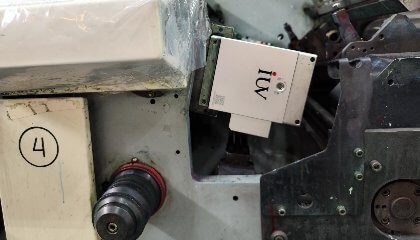
LED UV curing systems utilize light-emitting diodes (LEDs) to generate ultraviolet (UV) light that cures ink, coatings, and adhesives rapidly. Unlike traditional mercury vapor lamps, LED UV lights produce a more concentrated and targeted spectrum of UV light, making them highly effective at curing inks and coatings used in printing processes.

In printing, curing refers to the process of drying or hardening ink on the substrate. UV inks, when exposed to UV light, undergo a chemical reaction that causes them to harden almost instantly. This rapid curing process allows for faster production speeds, improved efficiency, and enhanced print quality.

Energy Efficiency and Cost Savings

One of the primary benefits of LED UV curing systems is their energy efficiency. Traditional UV curing systems that use mercury vapor lamps consume a significant amount of energy to generate heat and UV light. In contrast, LED UV curing systems are more energy-efficient, as they generate UV light directly without the need for excessive heat production. This results in lower energy consumption and, consequently, reduced electricity costs.

Furthermore, LED UV lamps have a longer lifespan compared to mercury vapor lamps. LED lamps can last up to 20,000 hours, whereas traditional UV lamps typically last only 1,000 to 2,000 hours. This extended lifespan reduces the frequency of lamp replacements, lowering maintenance costs and improving overall system reliability.

Another important consideration is that LED UV systems require significantly less cooling than conventional UV systems. Mercury vapor lamps generate a large amount of heat during operation, which requires additional cooling mechanisms to prevent overheating and ensure proper functioning. LED lamps, however, produce much less heat, reducing the need for complex cooling systems and further enhancing energy efficiency.

Contribution to Sustainability

The printing industry is under increasing pressure to reduce its environmental impact and adopt more sustainable practices. LED UV curing systems play a critical role in this effort by offering several environmental benefits.

Reduced Carbon Footprint

LED UV curing systems are far more energy-efficient than traditional UV curing systems, which translates to a reduction in overall energy consumption. This reduction in energy use directly contributes to a smaller carbon footprint. Since LED UV lamps require less electricity to operate, printers can significantly reduce their greenhouse gas emissions, which is essential in a world that is striving to mitigate climate change.

Reduced Waste and Pollution

Traditional UV inks require the use of solvents to aid in the curing process. These solvents can emit harmful volatile organic compounds (VOCs), which contribute to air pollution and health hazards. LED UV curing systems, however, do not require the use of solvents, resulting in a cleaner and safer work environment. The absence of solvents also eliminates the need for solvent recovery systems, which can be expensive and energy-intensive.

In addition, LED UV inks are typically free from harmful chemicals, making them safer for workers and easier to dispose of in an environmentally responsible manner. The reduction of VOCs not only benefits the environment but also helps printing businesses comply with increasingly stringent regulations on emissions and workplace safety.

Waste Reduction in Packaging

In narrow web printing, which is commonly used in flexible packaging and label production, LED UV curing systems enable faster curing speeds. This helps reduce waste generated during production processes. As LED UV curing technology allows for immediate curing, printers can print and laminate packaging materials in a single pass, minimizing the potential for defects and material waste.

The precision of LED UV curing also ensures that ink is evenly distributed and fully cured, enhancing the quality of the final product and reducing the likelihood of rejected prints or remakes. This reduction in print defects not only cuts down on waste but also increases production efficiency.

LED UV Curing in Flexographic and Narrow Web Printing

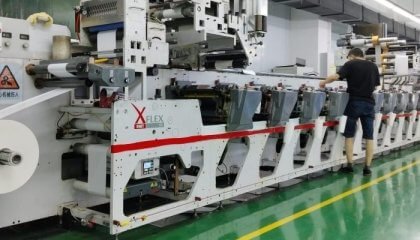
Flexographic printing, often used for packaging and label printing, has benefited greatly from the advent of LED UV curing. Flexographic presses are designed to print on a variety of substrates, including films, papers, and foils. LED UV curing systems offer a perfect solution for this diverse range of materials, as they can cure inks on non-porous substrates that are difficult to dry using conventional methods.

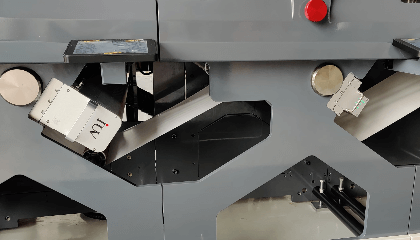
In narrow web printing, LED UV curing systems enable high-speed production of labels, flexible packaging, and other specialty print applications. The energy-efficient nature of LED UV technology allows narrow web printers to operate at higher speeds without compromising the quality of the printed image. Additionally, LED UV curing offers superior adhesion to difficult-to-print substrates, such as films and plastics, making it an ideal choice for packaging and label production.

The Future of LED UV Curing in the Printing Industry

The widespread adoption of LED UV curing systems in the printing industry is expected to continue to grow, driven by the increasing demand for energy-efficient and sustainable solutions. With the ongoing advancements in LED technology, future systems are likely to become even more energy-efficient, cost-effective, and versatile, further expanding their applications in various printing sectors.

Moreover, as environmental regulations become stricter and consumer demand for eco-friendly products rises, printing companies will increasingly turn to LED UV curing as a way to meet sustainability goals while improving profitability. LED UV curing not only helps companies achieve energy savings and reduce their carbon footprint, but it also provides an opportunity to differentiate themselves in the marketplace by adopting cutting-edge, eco-friendly technologies.

Conclusion

LED UV curing systems represent a major technological advancement in the printing industry, offering substantial energy savings and contributing to sustainability efforts. The combination of reduced energy consumption, lower maintenance costs, and a smaller environmental impact makes LED UV curing an attractive solution for printers looking to enhance operational efficiency and meet growing environmental expectations. Whether in flexographic, narrow web, or other printing applications, LED UV curing offers a promising path toward a more sustainable and cost-effective future for the industry.

Contact IUV Curing Experts

滚动至顶部