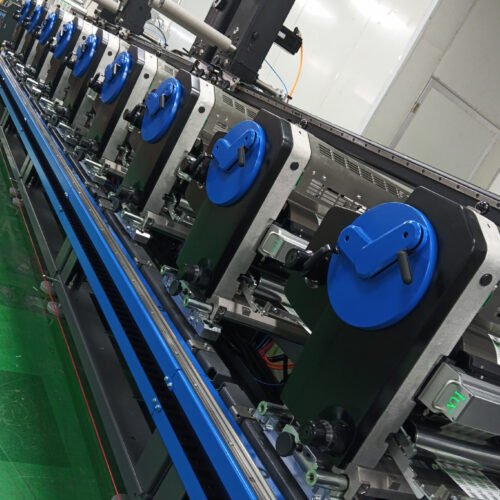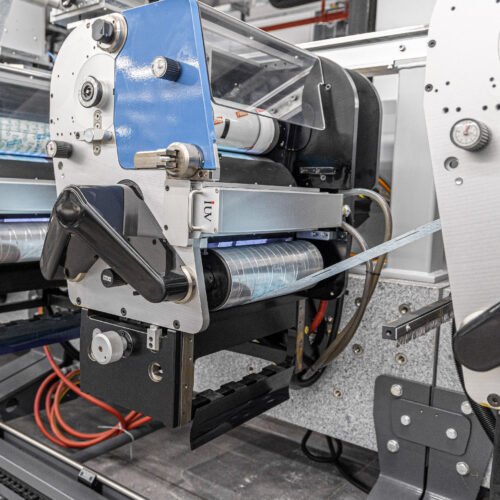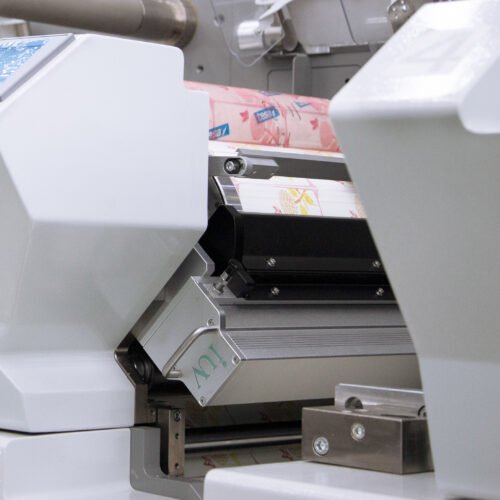
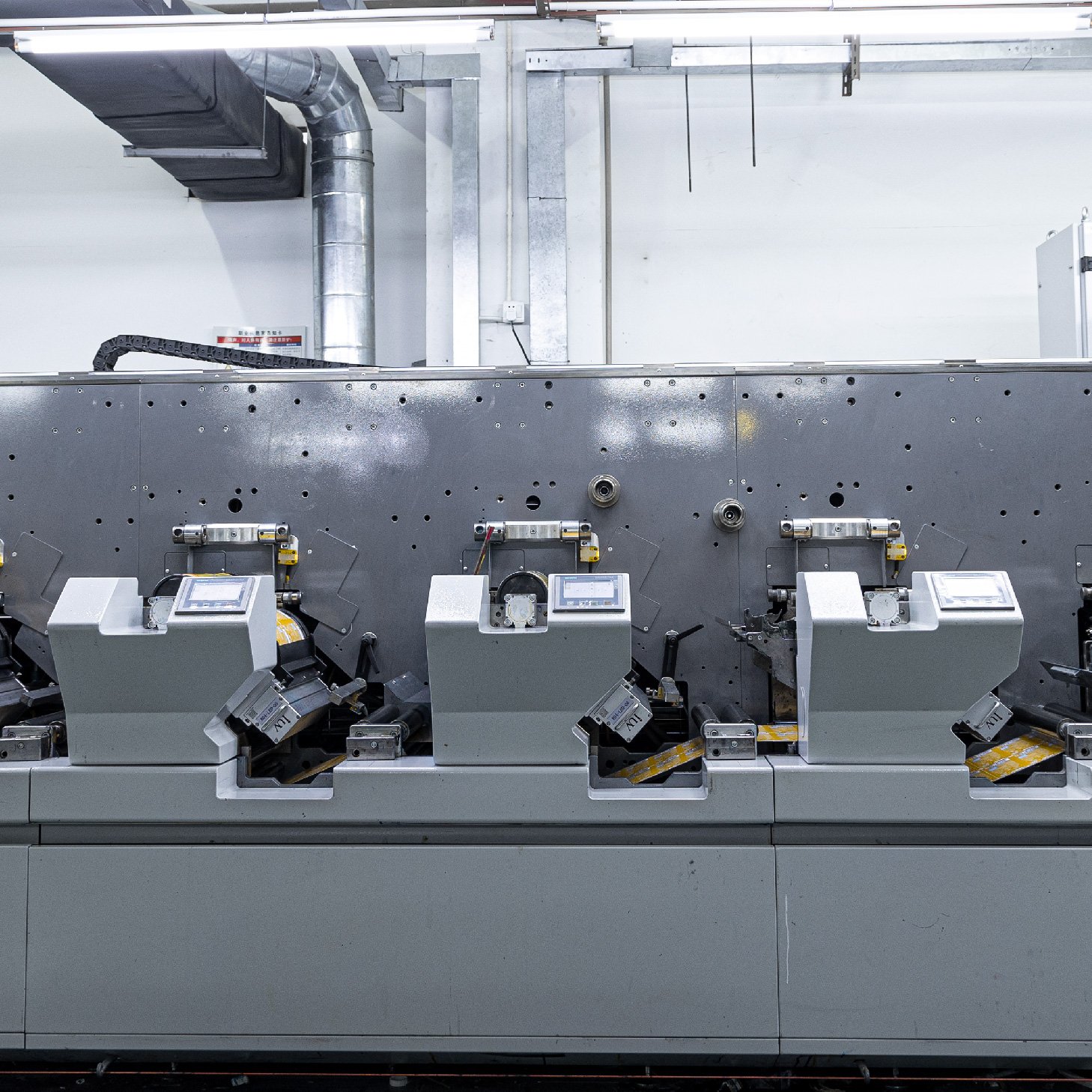
In the fast-paced world of narrow web printing, particularly within the demanding flexographic sector, maximizing productivity without compromising quality is paramount. Achieving this balance often hinges on optimizing every stage of the printing process. One critical area that significantly impacts throughput and operational efficiency is ink curing. Traditional curing methods can introduce bottlenecks, but the advent of LED UV curing systems offers a powerful solution for boosting productivity in high-speed flexo lines.
The Flexographic Printing Landscape
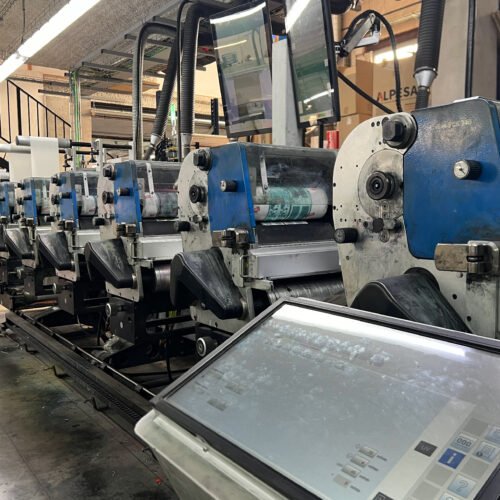
Flexographic printing, or flexo, is a versatile printing technique widely employed for labels, flexible packaging, and other flexible substrates. Its inherent flexibility and suitability for a vast array of inks and materials make it a workhorse in the printing industry. High-speed flexo lines are designed to operate at impressive speeds, pushing the limits of material handling and ink application. For these lines to perform optimally, the curing or drying of inks must keep pace. Any delay in this stage can lead to slower production speeds, increased waste, and missed deadlines.
The Role of UV Curing in Printing
UV curing utilizes ultraviolet light to instantly polymerize or harden inks, coatings, and adhesives. Unlike conventional drying methods that rely on evaporation of solvents or water, UV curing involves a photochemical reaction. This rapid transformation offers distinct advantages, including immediate handling of printed materials, superior scratch and chemical resistance, and the ability to print on non-absorbent substrates. For narrow web printing, where efficient use of space and time is crucial, UV curing has long been a preferred technology.
Evolving Curing Technologies: From Mercury to LED
Historically, mercury vapor lamps have been the standard for UV curing in the printing industry. While effective, mercury lamps come with several drawbacks. They consume significant amounts of energy, generate considerable heat, and have a finite lifespan that requires periodic replacement. Their output spectrum can also be broad, sometimes leading to inefficient energy transfer and potential substrate degradation. Furthermore, mercury lamps require a warm-up and cool-down period, adding to cycle times and impacting responsiveness.
The Rise of LED UV Curing
Light Emitting Diode (LED) UV curing technology represents a significant advancement. Instead of a broad spectrum emitted by mercury lamps, LEDs emit UV light at specific wavelengths, typically in the UVA range (365 nm, 385 nm, 395 nm, 405 nm). This targeted emission offers several key benefits for high-speed flexo operations:
- Instant On/Off: LEDs provide immediate full power upon activation and shut off instantly. This eliminates warm-up and cool-down times, allowing for more dynamic control and reducing wasted energy during press stops.
- Energy Efficiency: LEDs are remarkably energy-efficient, consuming significantly less power than mercury lamps for the same level of output. This translates directly into lower operating costs and a reduced environmental footprint.
- Longer Lifespan: LED arrays boast an exceptionally long operational lifespan, often tens of thousands of hours. This drastically reduces maintenance downtime and the frequency of lamp replacements, further contributing to cost savings and operational continuity.
- Reduced Heat Emission: While all light sources generate heat, LEDs produce much less infrared radiation compared to mercury lamps. This is critical for heat-sensitive substrates often used in narrow web printing, such as thin films and some plastics. Lower heat input means less risk of substrate distortion or damage, enabling higher press speeds.
- Consistent Output: LEDs offer stable and consistent UV output throughout their lifespan. This ensures reliable curing performance job after job, leading to predictable print quality and fewer process adjustments.
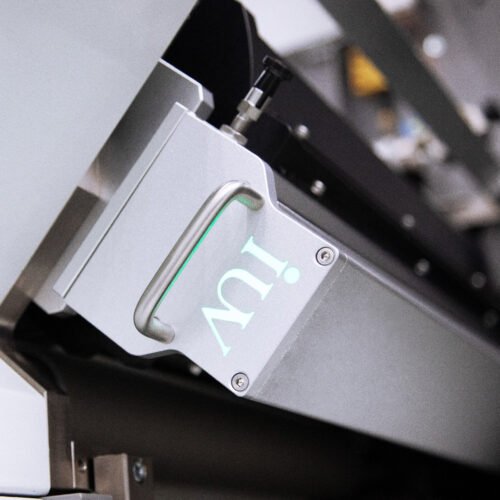
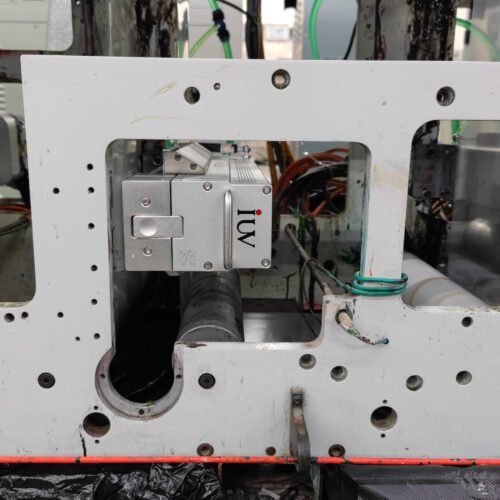
- Compact Design: LED UV systems are generally more compact than traditional mercury lamp systems. This is a significant advantage in narrow web presses where space is at a premium. Their smaller footprint allows for easier integration into existing press configurations and opens up possibilities for retrofitting.
Boosting Productivity in High-Speed Flexo Lines with LED UV
The application of LED UV curing systems to high-speed flexo lines offers tangible improvements in productivity:
- Increased Press Speeds: The ability of LED UV to cure inks almost instantaneously, coupled with reduced heat generation, allows presses to run at their maximum mechanical speeds. Bottlenecks caused by slow ink drying are eliminated, enabling printers to achieve higher output volumes within the same timeframe. This is particularly advantageous for long production runs where every minute saved translates into significant gains.
- Reduced Downtime: The long lifespan and instant on/off capability of LEDs dramatically cut down on maintenance-related downtime. There’s no need for frequent lamp replacements, alignment, or warm-up periods. This means the press spends more time printing and less time waiting or being serviced.
- Enhanced Curing Performance: Specific wavelength LEDs can be matched to the absorption characteristics of UV-curable inks and coatings, ensuring more efficient and thorough curing. This leads to better ink adhesion, improved scuff and chemical resistance, and superior print durability, all of which contribute to higher quality output and fewer rejected jobs. For label printing, where durability is often a key requirement, this enhanced curing is invaluable.
- Substrate Versatility: The lower heat output of LED UV systems broadens the range of printable substrates. Delicate films, heat-sensitive papers, and other challenging materials can now be printed at high speeds with confidence, opening up new market opportunities for label and flexible packaging converters.
- Operational Cost Savings: Beyond energy savings and reduced lamp replacement costs, LED UV systems can lead to savings in other areas. The reduction in heat can sometimes lessen the need for additional substrate cooling systems. Furthermore, fewer rejected jobs due to poor curing or substrate damage directly impact profitability.
Integration Considerations for Narrow Web Presses
When considering the integration of LED UV curing into existing or new narrow web flexo presses, several factors are important. The spectral output of the LED system must be carefully selected to match the specific UV-curable inks and coatings being used. Different ink formulations are optimized for specific wavelengths, and using the correct LED spectrum ensures efficient polymerization.
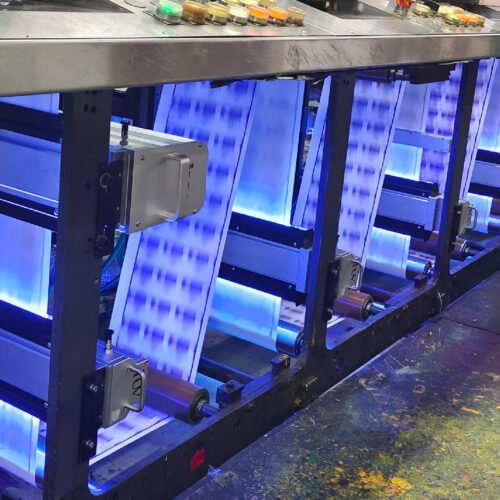
The placement of the LED curing units is also crucial. For high-speed lines, multiple curing units may be needed between print stations or at the end of the press to ensure complete curing of multiple ink layers or overprint varnishes. The physical dimensions of the LED heads must be compatible with the press design, especially considering the limited space typically available on narrow web machines.
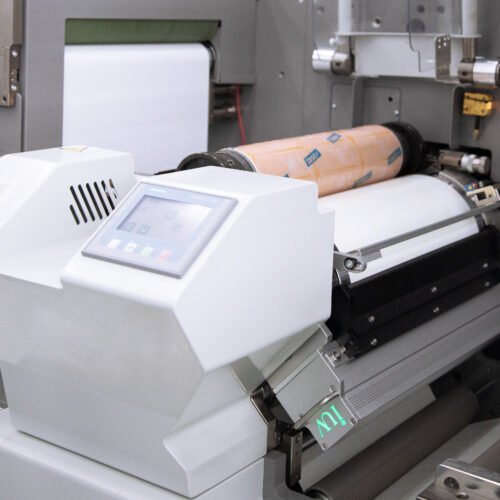
Modern LED UV systems are designed with ease of integration in mind, often featuring modular designs and flexible mounting options. Many manufacturers offer retrofitting services to update older flexo presses with the latest LED UV technology, providing a cost-effective upgrade path to enhanced productivity.
The Future of High-Speed Printing
LED UV curing technology is not just a trend; it’s a fundamental shift in how printing inks are cured. For high-speed flexo lines, particularly in the competitive label and packaging markets, adopting this technology is becoming increasingly necessary to maintain a competitive edge. The combination of speed, efficiency, quality, and sustainability offered by LED UV systems makes them an indispensable tool for printers looking to boost productivity and profitability. As the technology continues to evolve, we can expect even greater advancements in curing efficiency and application capabilities, further solidifying its role in the future of high-speed printing.