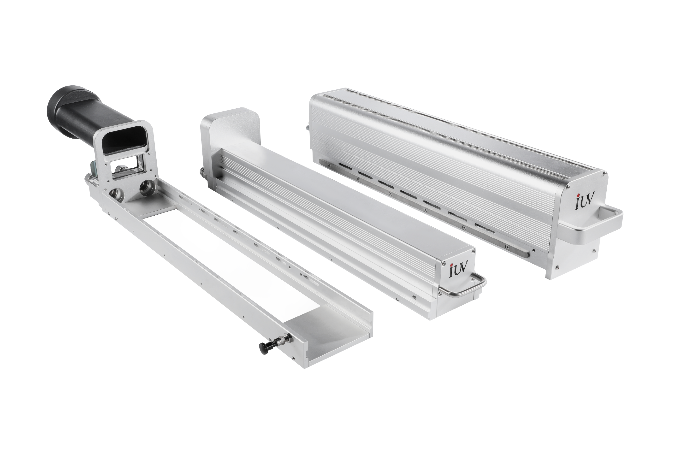
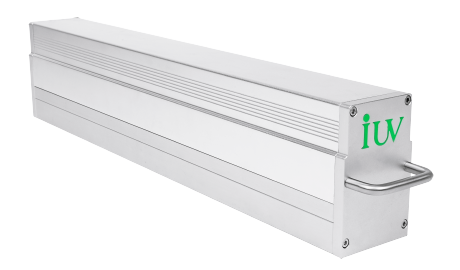
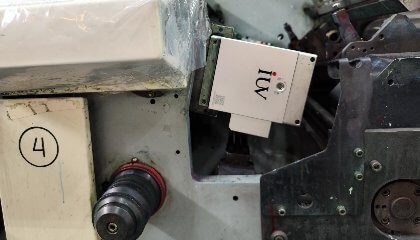
In the modern printing industry, achieving the perfect curing process is critical for maintaining the quality and durability of printed products. Traditional UV curing methods have long been used to rapidly cure inks, coatings, and other materials. However, these processes often introduce heat, which can cause distortion or deformation in certain substrates. This is where LED UV curing systems come into play. By utilizing LED lights instead of conventional mercury lamps, LED UV curing systems offer a range of benefits, including efficient curing without the heat-related issues. In this article, we will delve into the benefits of LED UV curing systems, specifically in the context of flexographic printing, offset printing, narrow web printing, and UV curing processes.
The Role of UV Curing in Printing
UV curing is a process used to dry or “cure” inks, coatings, and adhesives in the printing industry. The process involves the use of ultraviolet (UV) light to cause a photochemical reaction in the ink, resulting in rapid hardening. UV curing is widely used in various types of printing, including flexographic printing, offset printing, and narrow web printing, where fast drying times are crucial for maintaining production speeds.
Traditional UV curing systems use mercury vapor lamps that emit UV light, which is absorbed by the ink or coating, triggering a chemical reaction that causes the material to cure. However, one of the drawbacks of traditional UV curing is the heat generated by the lamps, which can cause distortion in heat-sensitive substrates. This issue becomes particularly significant in the case of flexible materials or substrates with intricate designs, where heat-induced distortion can ruin the quality of the print.
LED UV Curing: The Solution to Heat Distortion
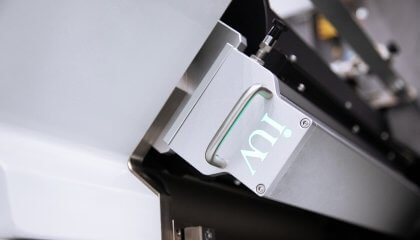
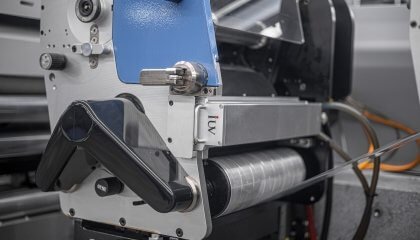
LED UV curing systems are becoming increasingly popular in the printing industry as a more efficient and effective alternative to traditional mercury-based curing systems. Unlike mercury vapor lamps, which generate both UV light and significant heat, LED UV lamps emit UV light with much lower levels of heat. This reduction in heat makes LED UV curing systems ideal for substrates that are sensitive to temperature fluctuations.
LED UV curing systems offer several advantages over traditional methods:
- Lower Heat Generation: One of the most significant advantages of LED UV curing is its ability to cure without producing excessive heat. This feature is particularly valuable when printing on substrates that are prone to heat distortion, such as plastics, films, and other flexible materials. The reduced heat means there is less risk of warping or shrinking, ensuring that printed materials retain their intended shape and quality.
- Energy Efficiency: LED UV curing systems are much more energy-efficient compared to traditional UV curing methods. LED lamps consume less power while still delivering the required intensity of UV light for effective curing. This not only reduces energy costs but also lowers the environmental impact of the printing process, making LED UV curing a more sustainable choice for modern printing operations.
- Instant On/Off Capabilities: LED lamps can be turned on and off instantly, unlike mercury vapor lamps, which require time to warm up and cool down. This instant on/off capability allows for faster production times and greater control over the curing process. In high-speed printing applications, such as flexographic and narrow web printing, this feature is particularly beneficial for optimizing throughput and minimizing downtime.
- Longer Lamp Life: LED UV lamps have a much longer lifespan than mercury vapor lamps. While mercury lamps typically last for around 1,000 to 2,000 hours, LED lamps can last up to 20,000 hours or more. This longevity reduces the need for frequent lamp replacements, resulting in cost savings for printing operations in the long run.
LED UV Curing in Flexographic Printing
Flexographic printing is a widely used process in the packaging industry, particularly for printing on flexible materials such as films, foils, and paper. The ability to cure inks rapidly without introducing heat distortion is essential in flexographic printing, as the substrates used are often sensitive to heat.
LED UV curing systems are particularly advantageous in flexographic printing because they allow for faster curing times and the ability to print on a broader range of materials. The lower heat output of LED UV curing systems minimizes the risk of substrate distortion, making them ideal for printing on thin or heat-sensitive materials. Additionally, the energy efficiency of LED UV curing systems helps reduce operational costs, making it an attractive option for both small and large-scale flexographic printers.
LED UV Curing in Offset Printing
Offset printing, commonly used for high-quality commercial printing, can also benefit from LED UV curing. In offset printing, inks are transferred from a plate to a rubber blanket and then onto the substrate. The ability to cure the ink quickly without introducing heat distortion is essential for maintaining print quality, especially when printing on delicate or heat-sensitive materials.
LED UV curing systems offer significant benefits in offset printing by providing faster curing times and improved adhesion of the ink to the substrate. The ability to instantly cure inks with minimal heat generation reduces the risk of ink smudging and ensures that the printed material remains crisp and clear. Furthermore, LED UV curing systems enable printers to use a wider range of ink types, including UV inks that offer enhanced durability and resistance to fading.
Narrow Web Printing and LED UV Curing
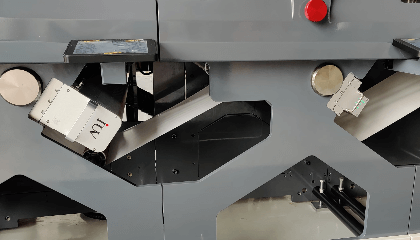
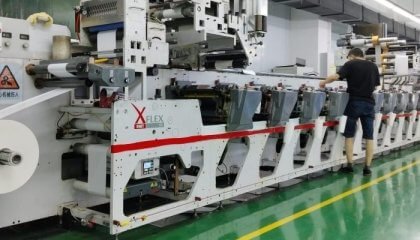
Narrow web printing, which is commonly used for labels, tags, and other small-format printed products, is another area where LED UV curing excels. In narrow web printing, speed and precision are essential, and the need for rapid drying times without heat distortion is crucial. LED UV curing systems allow narrow web printers to maintain high production speeds while ensuring that printed materials retain their integrity.
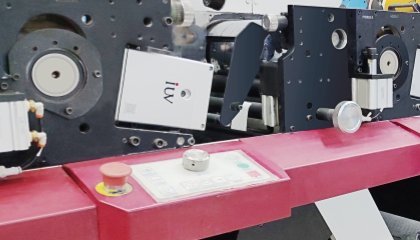
The compact size of narrow web presses makes them well-suited for LED UV curing, as LED lamps can be installed in tight spaces without compromising on curing performance. The energy efficiency and long lamp life of LED UV systems further enhance the cost-effectiveness of narrow web printing operations, making them an attractive option for label and packaging printers.
UV Curing: The Future of Printing
As the printing industry continues to evolve, the demand for more efficient, sustainable, and versatile curing technologies will only grow. LED UV curing systems represent the future of the industry, offering a combination of fast curing, minimal heat output, energy efficiency, and long lamp life. These systems provide significant advantages for a wide range of printing applications, including flexographic printing, offset printing, and narrow web printing.
By reducing heat distortion and improving curing efficiency, LED UV curing systems enable printers to maintain the highest levels of quality while optimizing production processes. As the technology continues to improve and become more affordable, it is expected that LED UV curing will become the standard for many printing applications in the years to come.
In conclusion, LED UV curing systems offer a practical and effective solution for overcoming the challenges posed by traditional UV curing methods, particularly in heat-sensitive printing applications. Their ability to cure inks and coatings without introducing heat distortion makes them an invaluable tool for printers across various sectors. With their energy efficiency, cost-effectiveness, and ability to maintain high print quality, LED UV curing systems are shaping the future of the printing industry.