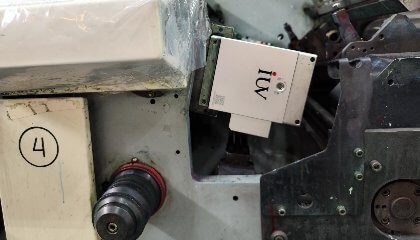
In today’s competitive packaging and label printing industry, companies are continuously seeking innovative ways to deliver high-quality products that stand out in the market. One of the most significant technological advancements in recent years is the integration of LED UV curing systems into printing processes. This innovation is particularly relevant for premium packaging and labels, where print quality, durability, and speed are paramount. LED UV curing offers numerous advantages over traditional UV curing methods, including energy efficiency, faster curing times, and improved print quality. This article explores how LED UV curing systems are transforming the label and packaging industry, with a focus on flexographic, letterpress, and narrow-web printing.
Understanding LED UV Curing Technology
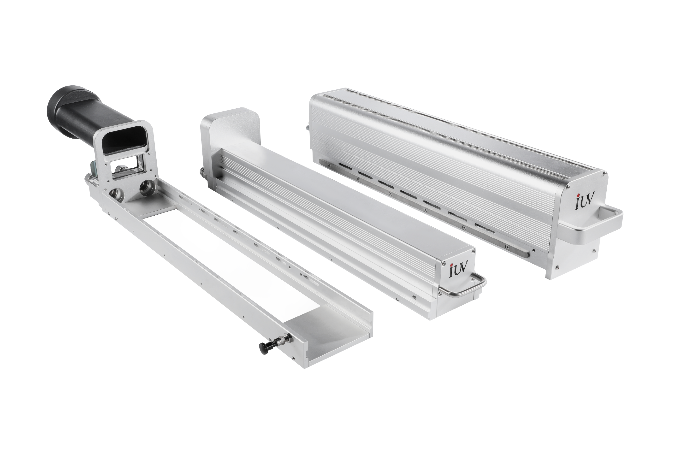
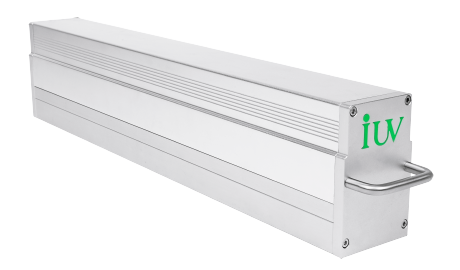
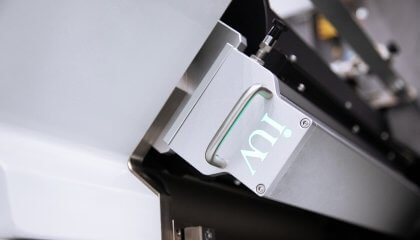
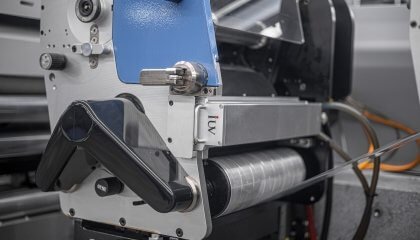
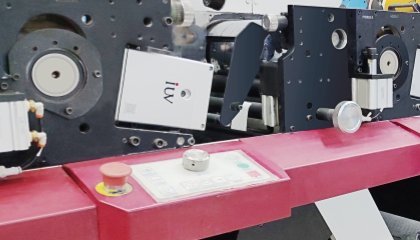
LED UV curing refers to the process of using ultraviolet (UV) light emitted by light-emitting diodes (LEDs) to cure or dry inks during the printing process. Unlike traditional mercury vapor lamps, LED lamps emit UV light at a specific wavelength that activates photoinitiators in UV inks, causing them to rapidly polymerize and harden. This curing method is essential for a variety of printing techniques, including flexographic, letterpress, and narrow-web printing.
The key advantage of LED UV curing lies in its efficiency and speed. LED UV systems provide instant curing of inks, coatings, and adhesives, which significantly shortens the drying time compared to conventional processes. Additionally, LED lamps consume less energy, produce less heat, and have a longer lifespan than mercury lamps, making them a more sustainable option for the printing industry.
Flexographic Printing: A Perfect Fit for LED UV Curing
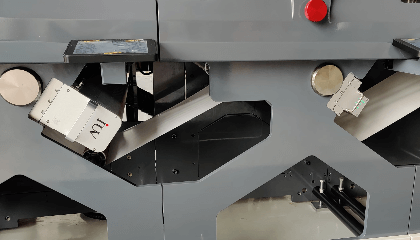
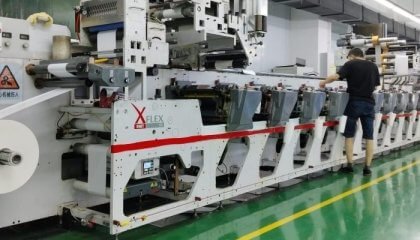
Flexographic printing, often used for packaging materials, labels, and flexible substrates, has seen a significant transformation with the introduction of LED UV curing. This high-speed printing process relies on flexible plates to transfer ink onto substrates, such as films, foils, and paperboard. Traditionally, UV inks were cured using mercury vapor lamps, which required long curing times and generated excessive heat, limiting the types of materials that could be used.
With LED UV curing systems, flexographic printers can achieve faster curing times and improved print quality. LED UV lamps emit a focused and consistent wavelength of light, ensuring uniform curing across the entire print surface. This is particularly important for packaging and labels that require high-quality, vibrant colors and precise details. The reduced heat output from LED UV lamps also minimizes the risk of substrate distortion, allowing for more delicate and varied materials to be printed on without compromising print quality.
Letterpress Printing: Boosting Quality and Efficiency
Letterpress printing, once considered a traditional method, has experienced a resurgence in premium packaging and label production due to its ability to produce high-quality, tactile impressions. LED UV curing technology is enhancing letterpress printing by providing fast, efficient curing of inks, enabling printers to meet the growing demand for high-end labels and packaging.
With LED UV curing, letterpress printers can achieve superior ink adhesion and faster production speeds. The ability to cure inks almost instantly ensures that printers can move quickly through production runs, reducing waste and increasing overall efficiency. Moreover, LED UV curing provides excellent control over ink thickness and color accuracy, essential for achieving the rich, sharp prints demanded by premium packaging markets.
Narrow-Web Printing: A Game Changer for Label Manufacturers
Narrow-web printing is a specialized form of flexographic printing designed for high-precision, high-speed label production. It is widely used in industries such as food and beverage, pharmaceuticals, and cosmetics, where labels need to be both functional and visually striking. Narrow-web printers have long relied on UV curing systems to dry inks quickly and enhance productivity. However, the introduction of LED UV curing systems has further improved the process, providing significant benefits for label manufacturers.
LED UV curing allows narrow-web printers to cure inks instantly, increasing production speeds while maintaining high-quality print results. The uniform curing provided by LED UV systems ensures consistent color reproduction, which is crucial for brands looking to maintain a consistent visual identity across large batches of labels. Additionally, LED UV systems enable the use of a broader range of substrates, including heat-sensitive materials, without the risk of distortion or warping.
Advantages of LED UV Curing for Packaging and Label Printing
- Faster Curing Times
One of the most significant advantages of LED UV curing is its ability to cure inks instantly. Traditional UV curing methods often involve long drying times, which can delay production and increase costs. With LED UV, printers can move to the next stage of production almost immediately after printing, significantly speeding up the overall process.
- Energy Efficiency
LED UV systems are much more energy-efficient than conventional mercury vapor lamps. They consume less power, generate less heat, and last longer, which not only reduces energy costs but also contributes to a more sustainable printing operation. This is especially important in the packaging and label industry, where high-speed production is a necessity.
- Improved Print Quality
LED UV curing offers superior control over ink curing, which results in vibrant, sharp prints with enhanced durability. The process eliminates the risk of ink smudging, which can occur when using traditional curing methods. LED UV also allows for the use of a wider range of inks, including specialty coatings and finishes, which can further elevate the visual appeal of packaging and labels.
- Environmentally Friendly
LED UV curing systems are more environmentally friendly than traditional UV systems because they emit less heat, contain no harmful mercury, and consume less energy. In addition, the reduced curing time minimizes the need for excessive ventilation and air conditioning, further contributing to energy savings.
- Versatility Across Substrates
LED UV curing is highly effective on a wide variety of substrates, from paper and plastic to films and foils. This versatility allows printers to use the same equipment for different types of packaging and labels, making it a more cost-effective solution for manufacturers who need to print on various materials.
- Longer Lamp Life
LED UV lamps have a significantly longer lifespan than mercury vapor lamps. This reduces maintenance costs and downtime, ensuring that printers can keep their operations running smoothly without having to replace lamps frequently.
Future Trends in LED UV Curing for Packaging and Labels
The future of LED UV curing in the packaging and label printing industries looks promising. As consumer demand for premium packaging continues to grow, manufacturers will increasingly turn to LED UV curing systems to meet the need for high-quality, fast-turnaround products. Technological advancements are also likely to make LED UV curing systems even more efficient and cost-effective, further cementing their role in modern printing.
In addition, the continued emphasis on sustainability in the printing industry will drive further adoption of LED UV technology. As companies seek to reduce their carbon footprint and meet environmental regulations, LED UV curing will become an even more attractive option due to its energy efficiency and environmentally friendly characteristics.
Conclusion
LED UV curing systems are revolutionizing the packaging and label printing industries, offering numerous advantages that enhance print quality, speed, and sustainability. Whether in flexographic, letterpress, or narrow-web printing, LED UV curing technology enables manufacturers to produce premium products that meet the growing demand for high-quality labels and packaging. With its faster curing times, energy efficiency, and ability to work across a wide range of substrates, LED UV is poised to become an essential technology in the future of printing.